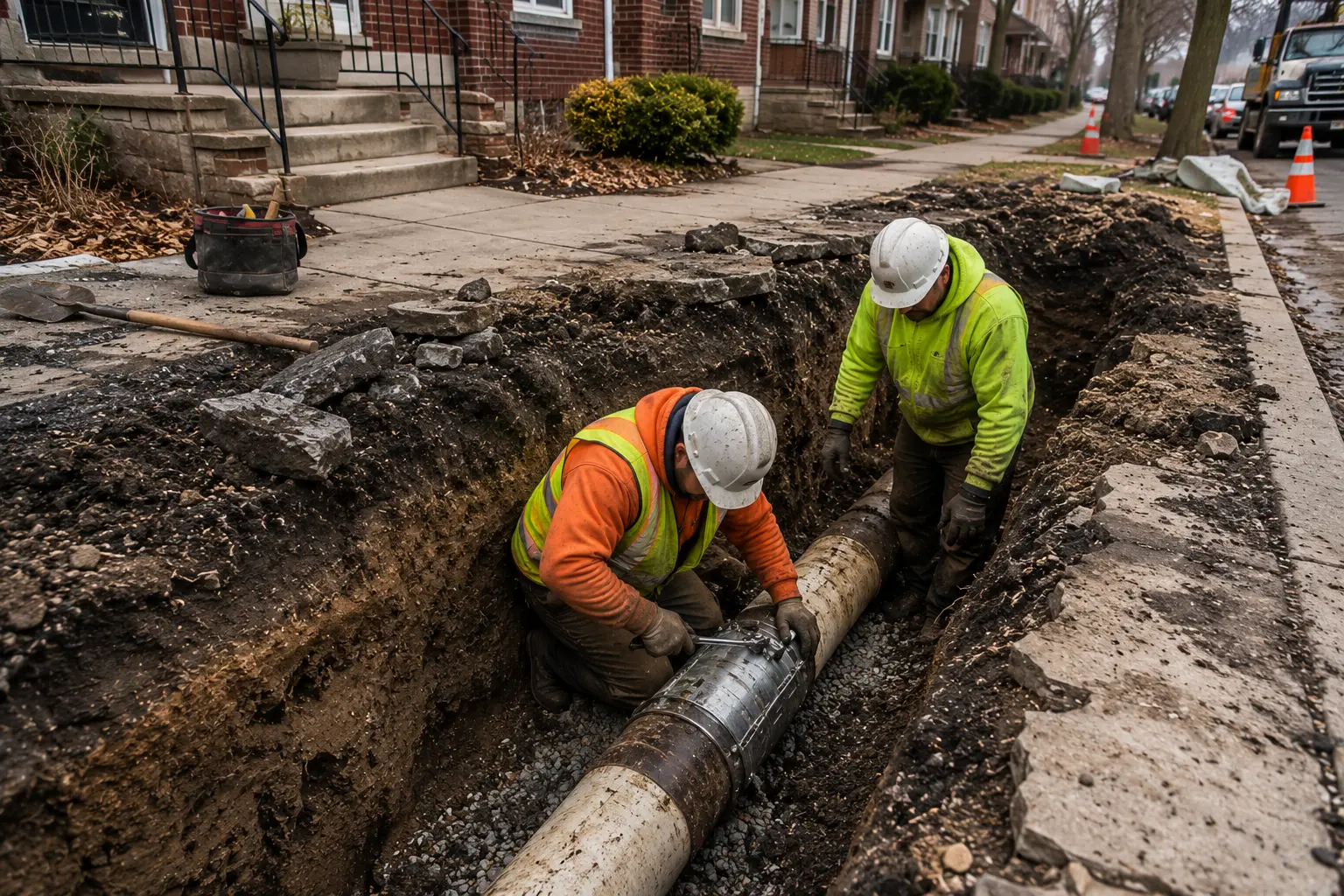
Sewer problems are among the most disruptive issues a Chicago homeowner can face. A damaged sewer line can cause slow drains, recurring backups, unpleasant odors, standing water in the yard, and even property damage if left unresolved. Fortunately, not every sewer issue requires a complete replacement. In many situations, targeted sewer repairs can restore proper function while minimizing cost and disruption.
Chicago homeowners often deal with aging underground infrastructure, mature tree roots, freeze-thaw cycles, and older pipe materials that increase the likelihood of sewer line issues over time. Understanding the causes of sewer damage and the available repair options can help homeowners make informed decisions when problems arise.
This guide explains how sewer repair works in Chicago, common warning signs, repair methods, cost considerations, and how to determine whether repair or replacement is the better long-term solution. For additional local resources, visit the Chicago Neighborhood Sewer Guides.
Key Takeaways
- Many sewer problems can be repaired without replacing the entire sewer line.
- Camera inspections are typically the most effective way to diagnose sewer issues.
- Tree roots, cracked pipes, corrosion, and shifting soil are common causes of sewer damage in Chicago.
- Repair options range from spot repairs to trenchless methods and full replacement.
- Older Chicago homes often contain sewer materials that are more vulnerable to deterioration.
- Addressing sewer problems early can prevent larger and more expensive repairs later.
What Does Sewer Repair Involve?
Sewer repair involves correcting damage or defects within a sewer line to restore proper drainage and wastewater flow. Depending on the condition of the pipe, repairs may include clearing root intrusion, replacing damaged sections, correcting pipe misalignment, repairing cracks, or using trenchless technologies to rehabilitate portions of the sewer line. The most appropriate repair method depends on the severity and location of the damage.
Common Sewer Problems Found in Chicago Homes
Chicago’s housing stock includes homes from many different eras, and underground sewer systems often reflect that age. While some problems develop suddenly, many sewer issues build gradually over years.
Tree Root Intrusion
Tree roots are one of the most common causes of sewer damage throughout Chicago. Roots naturally seek moisture and can enter small cracks or pipe joints. Once inside, they expand and create blockages that worsen over time.
Cracked Sewer Pipes
Clay and cast iron sewer lines can crack due to age, soil movement, ground settlement, or freeze-thaw cycles.
Corroded Cast Iron Pipes
Many older Chicago homes contain cast iron sewer lines. As these pipes age, corrosion can reduce pipe diameter and eventually weaken structural integrity.
Pipe Joint Separation
Older sewer systems may experience joint failures that allow wastewater leakage and root intrusion.
Pipe Bellies and Sagging Sections
Ground movement can create low spots in sewer lines where water and waste collect instead of flowing properly.
Warning Signs That May Indicate Sewer Damage
Homeowners often notice symptoms before understanding the underlying cause.
Potential warning signs include:
- Multiple slow drains throughout the house
- Recurring drain clogs
- Gurgling toilets
- Frequent sewer backups
- Sewage odors indoors or outdoors
- Water pooling in the yard
- Unusually green patches of grass
- Drainage problems affecting multiple fixtures simultaneously
If these symptoms continue to return after cleaning or snaking, a more significant sewer issue may exist underground.
How Sewer Problems Are Diagnosed
Before selecting a repair method, the source of the problem must be identified.
Most sewer repairs begin with a camera inspection. A sewer camera allows technicians to view the interior condition of the pipe and identify cracks, root intrusion, collapses, corrosion, offsets, and other structural issues.
Camera inspections help homeowners avoid unnecessary repairs and provide valuable information when comparing repair options.
Information Typically Identified During an Inspection
- Location of the damage
- Severity of the problem
- Pipe material
- Pipe depth
- Root intrusion levels
- Evidence of collapse or separation
- Overall pipe condition
Common Sewer Repair Methods
The appropriate repair method depends on the condition of the sewer line and the extent of the damage.
Mechanical Root Removal
When roots are causing blockages but structural damage is limited, cleaning equipment can remove root growth and restore flow.
However, root removal alone may not permanently solve the problem if openings remain in the pipe.
Spot Repairs
Localized damage can sometimes be addressed by excavating and replacing only the affected section of pipe.
This approach may be appropriate when:
- The damage is limited to a small area
- The remainder of the pipe remains structurally sound
- Access conditions are favorable
Pipe Relining
Pipe relining creates a new interior pipe surface inside the existing sewer line. This trenchless approach can often repair cracks, minor root damage, and some joint failures.
Pipe Bursting
Pipe bursting involves breaking apart the existing pipe while simultaneously installing a new pipe in its place.
This method is often discussed within Trenchless Sewer Repair in Chicago because it can significantly reduce excavation requirements.
Sectional Pipe Replacement
In some situations, only part of the sewer line requires replacement while the remaining pipe remains serviceable.
When Repair Is Better Than Replacement
Many homeowners assume that any sewer problem automatically requires a complete replacement. In reality, repairs are often sufficient when damage is limited.
| Condition | Repair Often Appropriate | Replacement Often Appropriate |
|---|---|---|
| Minor crack | Yes | Sometimes |
| Small root intrusion area | Yes | Sometimes |
| Single damaged section | Yes | Sometimes |
| Widespread deterioration | Rarely | Usually |
| Collapsed pipe | Rarely | Usually |
| Repeated major failures | Sometimes | Often |
When damage becomes extensive, homeowners may ultimately need to consider Sewer Line Replacement in Chicago instead of repeated repairs.
Chicago-Specific Sewer Repair Considerations
Older Sewer Infrastructure
Many Chicago neighborhoods contain sewer systems that are several decades old. Clay tile and cast iron pipes remain common throughout the city.
Tree-Lined Streets
Chicago’s mature urban canopy creates beautiful neighborhoods but also increases the risk of root intrusion into sewer lines.
Freeze-Thaw Cycles
Seasonal temperature changes can contribute to soil movement and stress aging underground pipes.
Dense Urban Development
Limited lot sizes, narrow side yards, alley access concerns, and nearby structures can influence repair methods and project complexity.
Conditions may vary significantly across the city. Homeowners seeking area-specific information may find additional guidance in Sewer Repair on Chicago’s North Side, Sewer Repair on Chicago’s South Side, and Sewer Repair on Chicago’s West Side.
Factors That Influence Sewer Repair Costs
Sewer repair costs vary widely because every sewer line is different.
Extent of Damage
Minor repairs generally require fewer materials and less labor than extensive structural repairs.
Location of the Problem
Repairs located beneath driveways, patios, sidewalks, or mature landscaping may be more complex.
Pipe Depth
Deeper sewer lines typically require additional excavation effort.
Repair Method
Traditional excavation, spot repairs, trenchless relining, and pipe bursting each have different cost considerations.
Surface Restoration Requirements
Projects that disturb concrete, landscaping, or hardscaping often require restoration after the repair is complete.
Important: Sewer repair costs can vary substantially based on site conditions. Homeowners should be cautious about relying on generalized online estimates that do not account for property-specific factors.
When Sewer Problems Become Emergencies
Not every sewer issue requires immediate action, but some situations demand urgent attention.
Potential sewer emergencies include:
- Raw sewage entering the home
- Complete drainage failure
- Multiple fixtures backing up simultaneously
- Evidence of pipe collapse
- Significant wastewater leakage
Homeowners facing urgent sewer conditions should review Emergency Sewer Repair in Chicago to better understand emergency response considerations.
Common Homeowner Mistakes
Ignoring Early Warning Signs
Small sewer problems often become larger and more expensive when left unresolved.
Assuming Every Backup Is a Simple Clog
Recurring backups frequently indicate deeper sewer line issues.
Skipping a Camera Inspection
Without inspection data, homeowners may struggle to determine whether repair or replacement is the better option.
Focusing Only on Immediate Cost
The least expensive short-term solution may not provide the best long-term outcome.
Waiting Until a Complete Failure Occurs
Addressing problems proactively often provides more repair options than waiting for a major collapse or backup.
Frequently Asked Questions
How do I know if my sewer line needs repair?
Common indicators include recurring backups, slow drains throughout the home, sewage odors, root intrusion, or inspection findings showing pipe damage.
Can a sewer line be repaired without replacing the entire pipe?
Yes. Many sewer problems can be corrected through spot repairs, relining, root removal, or sectional replacement when damage is limited.
How long do sewer repairs typically last?
The lifespan depends on the repair method, pipe condition, soil conditions, and the underlying cause of the damage. Properly performed repairs can often provide long-term service.
Will homeowners insurance cover sewer repairs?
Coverage depends on the policy and cause of the damage. Sudden accidental damage may be covered in some circumstances, while age-related deterioration and maintenance issues are often excluded.
Are permits required for sewer repairs in Chicago?
Some sewer repair projects may require permits or inspections depending on the scope of work and local regulations. Requirements vary by project.
How can I determine whether repair or replacement is the better option?
A sewer camera inspection provides the information needed to evaluate the extent of damage and determine whether repairing the existing pipe remains practical.
Conclusion
Sewer repair in Chicago covers a wide range of solutions, from clearing root intrusion to repairing damaged pipe sections and rehabilitating aging sewer lines. The right approach depends on the type of damage, the overall condition of the pipe, and the long-term goals for the property.
For many homeowners, early diagnosis is the key to minimizing costs and preserving available repair options. Understanding the causes of sewer problems, recognizing warning signs, and evaluating repair methods carefully can help prevent unnecessary disruption and protect the property’s plumbing infrastructure for years to come.