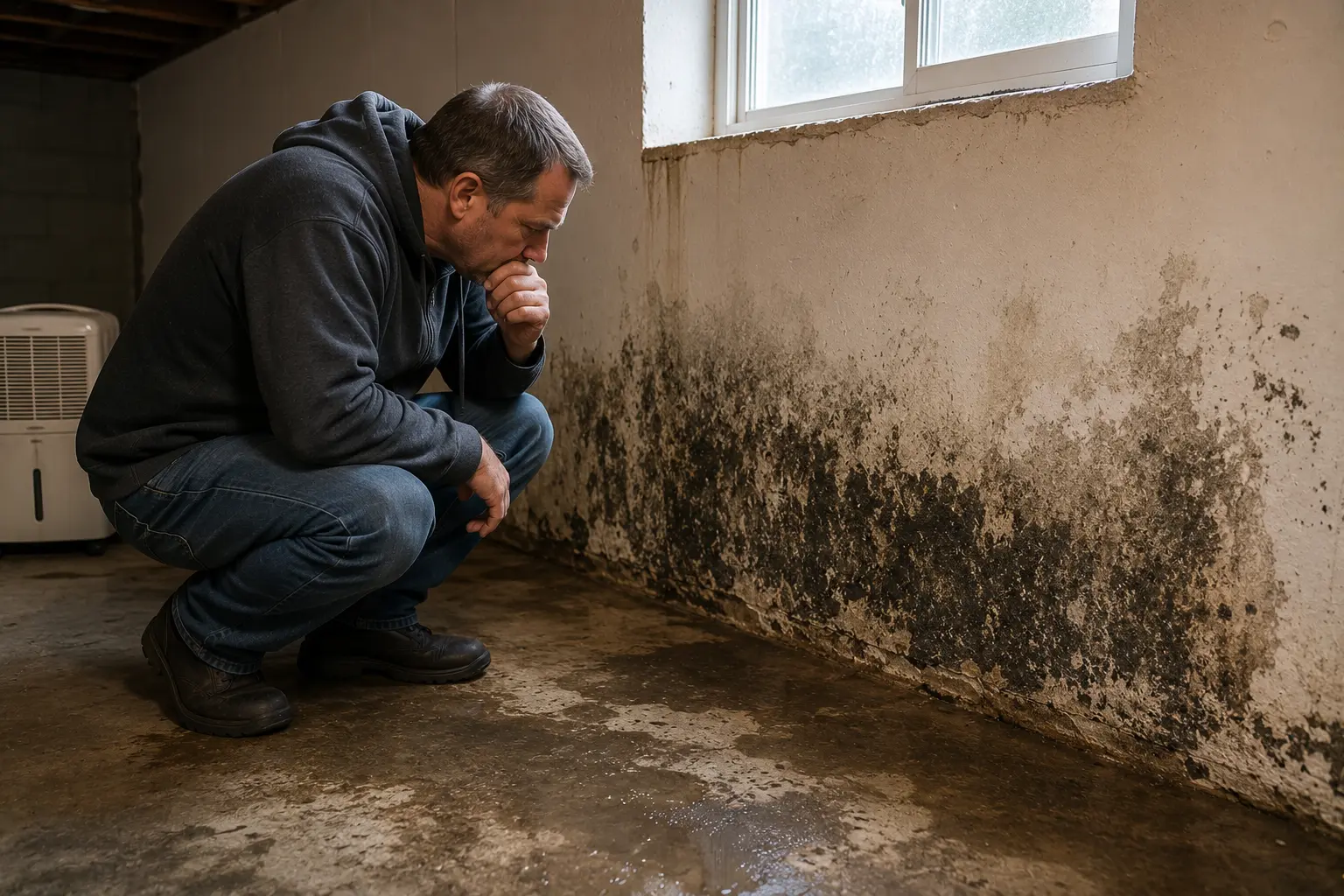
Mold after a sewer backup is a serious concern because sewage water can soak into flooring, drywall, baseboards, insulation, cabinets, stored belongings, and hidden gaps in a basement or lower-level room. Mold risk increases when contaminated materials stay damp, cleanup is incomplete, or the underlying sewer problem is not fixed and backups continue.
For Chicago homeowners, this issue is especially important because many homes have basements with floor drains, laundry areas, storage rooms, finished living space, utility rooms, and older sewer laterals. A sewer backup may begin as a plumbing problem, but once wastewater enters the basement, it can quickly become a cleanup, drying, odor, mold, insurance, and repair decision.
Not every sewer backup automatically creates visible mold, and mold is not always proof that the sewer line itself is broken. But any sewage backup should be treated as contaminated water exposure. Homeowners should focus on safety, documentation, proper cleanup, moisture control, and diagnosis of the sewer issue that caused the backup in the first place.
Key Takeaways
- Mold can develop after a sewer backup if contaminated materials remain wet or are not cleaned and dried properly.
- Finished basements are especially vulnerable because drywall, flooring, trim, insulation, and stored items can absorb wastewater.
- Sewer backups may be caused by clogs, tree roots, cracked pipe, offset joints, sewer line bellies, collapsed lines, or heavy rain-related backflow.
- Cleanup should address both contamination and moisture, not just visible water removal.
- Recurring backups increase the risk of repeated contamination and hidden mold problems.
- Insurance coverage depends on the policy, sewer backup endorsements, service line coverage, exclusions, and documentation.
- Homeowners should identify the sewer cause before assuming the problem is fully resolved.
What Mold After a Sewer Backup Usually Means
Mold after a sewer backup usually means affected materials stayed wet long enough for microbial growth to become a concern. Sewage water can contaminate porous materials and hidden areas, so cleanup needs to address both sanitation and drying. Removing standing water is not always enough if moisture remains behind walls, under flooring, inside baseboards, or in stored items.
The sewer backup itself may be caused by a temporary clog or a deeper main line issue. If the backup repeats, or if it appears with slow drains, gurgling, sewage odors, or recurring clogs, the sewer line should be inspected so the home is not cleaned up only to flood again later.
Why Mold Can Develop After a Sewer Backup
Sewage Water Can Soak Into Porous Materials
Basement materials can absorb wastewater quickly. Carpet, padding, drywall, insulation, wood trim, cabinets, cardboard boxes, upholstered furniture, and some stored belongings can hold moisture after the visible water is gone.
When contaminated moisture remains trapped, mold may develop behind surfaces or inside materials that appear dry from the outside. This is one reason sewer backup cleanup should be treated differently from a small clean-water spill.
Basements Often Dry Slowly
Basements can have limited airflow, cooler temperatures, concrete surfaces, finished walls, and enclosed storage areas. These conditions can slow drying after a backup.
In Chicago homes, basements are often used for laundry, storage, recreation rooms, home offices, bedrooms, or mechanical equipment. The more finished and furnished the basement is, the more places moisture can hide.
Contamination Can Remain After Water Is Removed
Removing standing water is only the first step. Sewer water can leave contamination on surfaces and inside materials. If the area is not cleaned, disinfected where appropriate, and dried thoroughly, odor and mold concerns can remain.
Lingering sewage smell after cleanup may be a clue that contamination or moisture remains. If odor is still present, homeowners may want to review Why Your House Smells Like Sewage to compare possible odor sources.
Repeated Backups Reset the Problem
Even if a basement is cleaned once, another sewer backup can re-contaminate the same areas. Recurring backups are especially frustrating because homeowners may spend money on cleanup while the underlying sewer issue continues.
If backups have happened more than once, the cause should be investigated. The related guide Sewer Backup in Basement: Causes and Warning Signs explains why basement backups often point to a main line problem.
Warning Signs of Mold or Hidden Moisture After a Sewer Backup
Mold is not always visible right away. Homeowners should watch for signs that moisture or contamination remains after the cleanup.
| Warning Sign | What It May Suggest | Why It Matters |
|---|---|---|
| Musty odor after cleanup | Moisture may remain in porous materials or hidden areas. | Odor can indicate incomplete drying or contamination. |
| Persistent sewage smell | Contamination may remain, or the sewer issue may not be resolved. | The area may need further cleaning or diagnosis. |
| Discoloration on drywall or baseboards | Water may have wicked upward into materials. | Hidden moisture can remain behind finished surfaces. |
| Warped flooring or swollen trim | Materials absorbed moisture. | Damaged materials may not dry properly in place. |
| Condensation or dampness | Humidity may still be elevated. | Moisture control may be incomplete. |
| Visible spots on walls or stored items | Mold growth may already be present. | Contaminated materials may need professional evaluation. |
| Backup happens again | The original sewer problem may remain. | Repeated contamination increases risk and cost. |
Common Sewer Problems That Can Lead to Backups
Main Sewer Line Clogs
A main sewer line clog can force wastewater back into the lowest drains in the home. In many Chicago houses, that means a basement floor drain, laundry drain, lower-level shower, or basement toilet.
A one-time clog may be caused by grease, wipes, debris, or paper buildup. Repeated clogs may indicate something inside the pipe is catching waste. If the sewer line keeps clogging, Why Do Sewer Lines Keep Clogging? can help homeowners understand common recurring causes.
Tree Roots
Tree roots can enter through cracks, loose joints, offset pipe sections, or deteriorated clay pipe. Once inside, roots trap waste and restrict flow until the line backs up.
Root cutting may restore drainage temporarily, but roots can return if the entry point remains open. This is especially relevant in older Chicago neighborhoods with mature trees and older sewer laterals.
Sewer Line Belly
A sewer line belly is a low spot in the pipe where water and waste collect instead of draining fully. Over time, debris can build up in the low section and cause repeated backups.
A belly is not fixed by simply clearing the line. Cleaning may restore flow, but the low spot remains and may continue collecting waste.
Offset or Cracked Sewer Pipe
Offset joints and cracked pipe can catch waste, allow roots inside, or let soil enter the sewer line. These defects may cause recurring clogs and backups that eventually create mold risk inside the home.
If a broken pipe may be part of the issue, the article Common Signs of a Broken Sewer Line explains related warning signs.
Collapsed Sewer Line
A collapsed sewer line can physically block wastewater from leaving the home. This can lead to severe backups and repeated drainage failure. A collapse is more serious than an ordinary clog because the pipe itself has failed.
What Homeowners Should Do After a Sewer Backup
Limit Contact With Contaminated Water
Sewage water should be treated as contaminated. Homeowners should avoid direct contact, keep children and pets away, and avoid walking through affected areas without protection.
If water is near electrical outlets, appliances, panels, furnaces, water heaters, or other mechanical equipment, safety should come before cleanup. Do not enter unsafe areas or handle electrical equipment in standing water.
Stop Adding Water to the Drain System
If flushing toilets, running sinks, showering, or doing laundry causes more water to rise from drains, stop using plumbing as much as possible until the blockage or backup cause is addressed.
Continuing to use water can increase contamination and push wastewater farther into finished areas.
Document the Damage
Photos, videos, dates, notes, and a list of affected areas can help with insurance conversations and repair decisions. Documentation should include where the water entered, how far it spread, what materials were affected, and whether the backup happened during rain or normal use.
Remove Standing Water and Begin Drying
Standing water should be removed as soon as safely possible. Drying should focus on hidden moisture as well as visible surfaces. Basement walls, flooring, baseboards, cabinets, insulation, and stored items may all hold moisture.
Separate Salvageable and Unsalvageable Materials
Nonporous materials may be easier to clean than porous items. Carpet padding, cardboard, insulation, and some upholstered items may be difficult to safely restore after sewage exposure. Homeowners should be cautious about keeping materials that absorbed contaminated water.
Identify the Sewer Cause
Cleanup is only part of the response. If the sewer line still has a clog, roots, belly, offset, crack, or collapse, another backup may occur. When backups repeat or affect multiple fixtures, a camera inspection may be needed.
Practical Homeowner Tip
After a sewer backup, think in two tracks: clean and dry the affected area, then diagnose why wastewater entered the home. If only one track is handled, the homeowner may still face mold risk or another backup.
Chicago-Specific Considerations
Basements Are Common and Often Finished
Many Chicago homes have basements used for laundry, storage, utilities, bedrooms, offices, or living space. That makes sewer backups more damaging because contaminated water may affect finished flooring, drywall, trim, furniture, and personal belongings.
Even an unfinished basement can have porous storage items, wood framing, shelving, or mechanical equipment that complicates cleanup.
Older Sewer Laterals Can Create Repeat Risk
Older sewer laterals may include clay pipe, cast iron, old repair sections, or material transitions. These lines can develop roots, cracks, offsets, bellies, and partial collapse over time.
If a backup is treated only as a cleanup issue, the underlying pipe condition may continue creating risk. Homeowners can compare related warning signs in the broader Sewer Problems & Warning Signs hub.
Heavy Rain Can Complicate the Diagnosis
Some basement backups happen during or after heavy rain. Storm timing may point to backflow pressure, sewer system surcharge, private lateral restriction, or a combination of factors. Rain may explain the timing, but it does not always rule out a private sewer line problem.
Storage Habits Matter
Chicago basements often hold seasonal items, tools, documents, clothing, furniture, and family belongings. Items stored directly on the floor are more likely to be contaminated during a backup. After cleanup, homeowners may want to rethink storage height and materials in areas near floor drains.
Restoration Can Be More Than Plumbing
A sewer backup can involve drain cleaning, camera inspection, sewer repair, demolition, drying, cleaning, odor control, material replacement, and insurance documentation. The sewer repair and the mold-prevention cleanup may be separate parts of the same event.
Cleanup, Repair, or Replacement: How to Think About the Decision
After a sewer backup, homeowners often face several decisions at once. The basement needs to be cleaned, but the sewer system also needs to be understood. The best next step depends on whether the backup was isolated or part of a recurring pattern.
Cleanup May Be the Main Issue When
- The backup was isolated and the line is otherwise clear.
- The cause was identified and corrected.
- No repeated slow drains, gurgling, or sewer odors are present.
- The affected area is cleaned and dried properly.
- There is no evidence of hidden moisture or mold.
Sewer Inspection May Be Needed When
- The backup has happened before.
- Several drains are slow throughout the house.
- Toilets or drains gurgle.
- Sewage odors return after cleanup.
- Drain cleaning removes roots or recurring debris.
- The backup happened during normal household water use.
Sewer Repair May Be Needed When
- A camera inspection shows one damaged section.
- Roots enter through a specific crack or joint.
- An offset joint or belly is causing repeated backups.
- The rest of the line is stable enough for targeted repair.
Replacement May Be Considered When
- The sewer line has collapsed.
- Multiple pipe sections are cracked, offset, or root-filled.
- Backups continue after cleaning.
- Several repairs would be needed to solve the full issue.
- The risk of another sewage backup is high.
If the issue appears to be moving beyond routine cleaning, Signs Your Sewer Line May Need Replacement can help homeowners understand when replacement becomes more likely.
Cost Factors and Insurance Considerations
The cost after a sewer backup can include several different categories. Homeowners should separate sewer service, cleanup, mold prevention, damaged materials, restoration, and future prevention when reviewing estimates or insurance coverage.
Important cost factors include:
- Amount of wastewater: A small backup near one floor drain is different from widespread basement contamination.
- Type of materials affected: Concrete, tile, carpet, drywall, insulation, wood trim, and stored items all respond differently.
- Time before cleanup: Longer moisture exposure can increase mold risk and material damage.
- Hidden moisture: Water behind walls, under flooring, or inside cabinets may increase restoration needs.
- Cause of the backup: A simple clog is different from roots, collapse, cracked pipe, or an offset joint.
- Need for camera inspection: Repeated or unclear backups may require sewer diagnosis.
- Repair access: Sewer work under a basement floor, sidewalk, parkway, or concrete may affect cost.
- Insurance terms: Sewer backup coverage, service line coverage, deductibles, exclusions, limits, and documentation all matter.
Insurance coverage depends on the policy. Some homeowners may have sewer backup coverage for cleanup and damaged contents, while service line repair may require separate coverage. Gradual deterioration, roots, wear and tear, and maintenance issues may be handled differently from sudden covered events. Homeowners should document damage and review their policy before assuming what is covered.
When Mold Risk Becomes an Emergency
Mold risk after a sewer backup becomes more urgent when contaminated water affects finished areas, remains for an extended period, or enters materials that are difficult to dry. The situation is also urgent if the sewer line continues backing up or the home cannot use plumbing normally.
Urgent warning signs include:
- Standing sewage water in the basement
- Water reaching drywall, carpet, insulation, or stored belongings
- Strong sewage odors after cleanup
- Visible mold growth or musty smell
- Repeated backups in the same area
- Water near electrical or mechanical equipment
- Multiple fixtures refusing to drain
- Health-sensitive occupants in the home
If the plumbing problem itself may be urgent, homeowners can review When Does a Sewer Problem Become an Emergency?.
Common Mistakes Homeowners Make
Removing Visible Water but Ignoring Hidden Moisture
The floor may look dry while moisture remains under flooring, behind baseboards, inside drywall, or in stored items. Hidden moisture is one of the main reasons mold risk continues after cleanup.
Treating Sewage Water Like Clean Rainwater
Sewage backup water is contaminated. Cleanup decisions should account for sanitation, not just drying.
Waiting Too Long to Document Damage
Photos and notes are easier to collect before materials are moved or discarded. Documentation can help with insurance conversations and repair decisions.
Cleaning the Basement but Not Diagnosing the Sewer Line
If the sewer problem remains, another backup can undo the cleanup. Recurring backups should be investigated before the issue becomes a cycle.
Keeping Contaminated Porous Items Without Careful Evaluation
Carpet padding, cardboard, insulation, upholstered furniture, and some stored belongings may be difficult to clean safely after sewage exposure.
Assuming Insurance Will Cover Everything
Sewer backup, mold, contents, service line repair, and cleanup may be treated differently under a policy. Coverage depends on endorsements, limits, exclusions, and documentation.
FAQ
Can mold grow after a sewer backup?
Yes. Mold can develop when materials remain damp after a sewer backup. Drywall, carpet, insulation, trim, cabinets, and stored items are especially vulnerable because they can hold contaminated moisture.
Is sewage backup water dangerous?
Sewage backup water should be treated as contaminated. It may contain waste and microorganisms, so homeowners should limit contact, keep children and pets away, and handle cleanup carefully.
How do I know if mold is hidden after a basement sewer backup?
Warning signs include musty odor, persistent sewage smell, discoloration, warped materials, damp baseboards, swollen flooring, or visible spots. Moisture may remain behind walls or under flooring even when the surface appears dry.
Should I replace carpet after a sewer backup?
Carpet and padding that absorb sewage water can be difficult to clean safely. Whether replacement is needed depends on contamination, material type, exposure time, and cleanup standards. Homeowners should be cautious about keeping porous materials that contacted sewage.
Does mold mean my sewer line is broken?
No. Mold means moisture remained after water exposure. The sewer backup may have been caused by a clog, roots, heavy rain, backflow, pipe damage, or another issue. The sewer line condition should be evaluated separately if backups repeat or symptoms continue.
Can a sewer camera inspection help after a mold-causing backup?
Yes, if the backup was recurring, severe, or unexplained. A camera inspection can help identify roots, cracks, offsets, bellies, clogs, or collapse that may have caused wastewater to enter the basement.
Will homeowners insurance cover mold after a sewer backup?
Coverage depends on the policy, sewer backup endorsement, mold limitations, cause of loss, documentation, and timing of cleanup. Some policies may cover certain cleanup or damage costs, while others may limit or exclude mold or service line repairs.
How can homeowners reduce the chance of mold after a sewer backup?
Reduce contact with contaminated water, remove standing water safely, dry affected areas thoroughly, address porous materials carefully, document damage, control humidity, and identify the sewer cause so another backup does not occur.
Conclusion
Mold after a sewer backup is a risk because sewage water can contaminate and dampen materials that are hard to dry completely. The visible water may be gone while moisture remains behind walls, under flooring, in trim, inside cabinets, or in stored belongings.
For Chicago homeowners, basement backups are especially serious because basements often contain finished rooms, laundry areas, storage, floor drains, and mechanical equipment. Cleanup should address contamination and moisture, while the sewer cause should be diagnosed so the same problem does not happen again.
The best approach is to document the event, limit exposure, clean and dry the affected area carefully, watch for odor or mold warning signs, and investigate recurring sewer symptoms. A backup is not only a mess to clean up; it is also a warning to understand what happened in the sewer line and how likely it is to happen again.