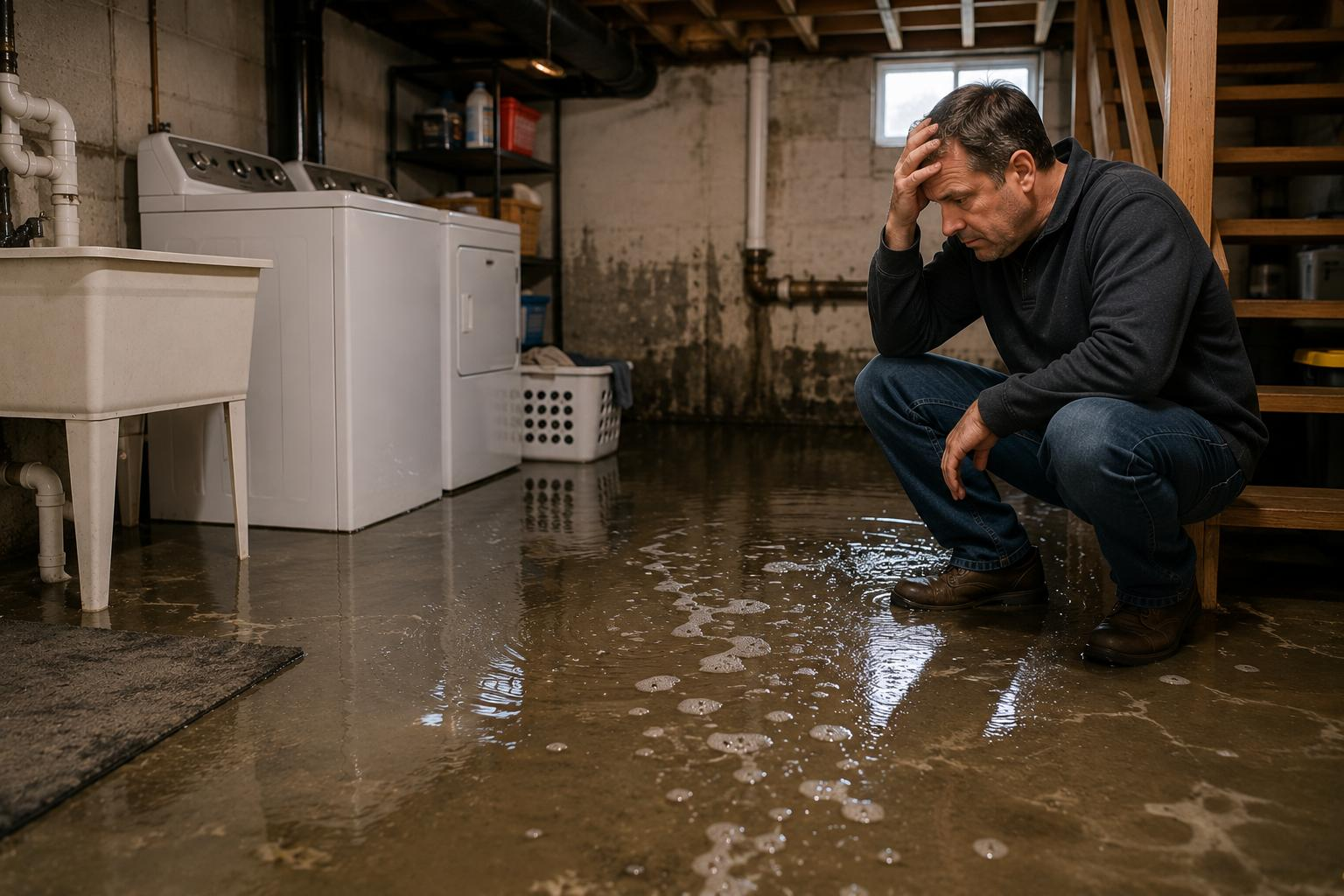
A sewer problem becomes an emergency when wastewater is actively backing up into the home, multiple drains stop working, sewage is entering a basement or lower-level bathroom, strong sewer odors appear with drainage failure, or the home cannot safely use plumbing. It can also become urgent when there are signs of a collapsed sewer line, sinking soil, contaminated water, or sewer problems affecting electrical, heating, or finished living areas.
Not every sewer symptom is an emergency. A single slow sink, an occasional gurgle, or one isolated clog may allow time for normal scheduling and diagnosis. But when the problem affects the main sewer line, exposes the home to sewage, or threatens property damage, waiting can increase cleanup costs, health concerns, and repair complexity.
For Chicago homeowners, sewer emergencies often show up in basements first because basement floor drains, laundry drains, utility sinks, and lower-level fixtures are usually the lowest openings in the plumbing system. Older sewer laterals, clay pipe, tree roots, heavy rain, and compact property layouts can make the situation more stressful because damage can spread quickly and repair decisions may need to be made under pressure.
Key Takeaways
- A sewer problem is usually an emergency when sewage is actively backing up into the home or plumbing cannot be used safely.
- Basement backups, multiple blocked drains, strong sewage odors, and water rising from floor drains are urgent warning signs.
- Slow drains and gurgling are not always emergencies, but they become more serious when several fixtures are affected at once.
- A collapsed sewer line, repeated backups, or contaminated water near finished basement areas can require faster action.
- Chicago homes with basements and older sewer laterals may show emergency symptoms at lower-level drains first.
- Homeowners should stop using water if it makes the backup worse, document damage, and avoid contact with sewage.
- After the immediate issue is controlled, the sewer line should be diagnosed so the same emergency does not repeat.
When to Treat a Sewer Problem as Urgent
Treat a sewer problem as an emergency if sewage is entering the basement, toilets or drains are backing up, several fixtures will not drain, water is rising from a floor drain, strong sewer odors appear with slow or blocked drains, or the problem threatens finished rooms, stored belongings, utilities, or electrical equipment.
If symptoms are mild and isolated, such as one slow sink or one clogged toilet, the issue may not be an emergency. If the symptoms affect the whole house, involve the main sewer line, or expose the home to wastewater, it should be handled quickly and carefully.
Clear Signs a Sewer Problem Has Become an Emergency
Sewage Is Backing Up Into the Basement
A basement sewer backup is one of the clearest emergency signs. Wastewater may come up through a floor drain, lower-level shower, toilet, laundry drain, or utility sink. Because sewage can contaminate flooring, drywall, stored items, and mechanical areas, it should not be treated like ordinary water.
In many Chicago homes, the basement is where a main sewer restriction first becomes visible. If wastewater is actively entering the basement, stop using water fixtures as much as possible and avoid contact with the contaminated area.
For more detail on this specific warning sign, see Sewer Backup in Basement: Causes and Warning Signs.
Multiple Drains Stop Working at the Same Time
One clogged sink or toilet may be local. Several fixtures that stop draining at once are more concerning. If toilets, tubs, showers, laundry drains, and basement drains are all slow or blocked, the problem may be in the main sewer line.
When the main line is blocked, normal water use can make the backup worse. Running laundry, taking showers, flushing toilets, or using sinks may push more wastewater toward the lowest drain openings.
If this pattern is developing, homeowners may want to compare symptoms with What Slow Drains Throughout the House Can Mean.
Water Is Rising From a Floor Drain
Water rising from a basement floor drain is more serious than a drain that simply empties slowly. Rising water suggests wastewater is reversing direction or unable to move through the main line.
If the water is dirty, smells like sewage, or appears when other fixtures are used, it should be treated as a sewer warning sign. Homeowners should avoid using more water until the problem is evaluated.
Strong Sewage Odors Appear With Drainage Problems
A sewage smell can come from a dry trap, toilet seal, or dirty drain. But strong sewage odors paired with backups, slow drains, gurgling, or basement drain activity are more urgent.
Sewer gas and contaminated wastewater should not be ignored, especially in enclosed basement areas. If the smell is persistent or appears with active drainage failure, the issue may involve the main sewer line rather than a simple fixture problem.
Toilets Bubble, Gurgle, or Back Up During Normal Use
Gurgling toilets can be an early warning sign of air being forced through the drain system. If toilets bubble when showers, tubs, or laundry drains are used, there may be a downstream restriction.
Gurgling alone is not always an emergency. Gurgling with water rising, multiple slow drains, or sewage odor is more serious. For more context, see What Causes Gurgling Toilets and Drains?.
There Is Standing Wastewater Inside the Home
Standing wastewater should be treated as contaminated. The concern is not only the plumbing problem, but also exposure, cleanup, odor, moisture, and damage to building materials.
Finished basements are especially vulnerable because sewage can affect carpet, drywall, trim, cabinets, furniture, stored belongings, and insulation. The longer contaminated materials stay wet, the more complicated cleanup can become.
There Are Signs of a Collapsed Sewer Line
A collapsed sewer line can prevent wastewater from leaving the home. Warning signs may include repeated backups, drains that barely move, a camera that cannot pass through the line, soil entering the pipe, or sinking ground outside.
A collapse is more serious than an ordinary clog because the pipe itself has failed. If this condition is suspected, homeowners can review Warning Signs of a Collapsed Sewer Line.
When a Sewer Problem May Not Be an Emergency Yet
Some sewer symptoms are warning signs but may not require emergency response if they are isolated, mild, and not causing active damage. These situations still deserve attention, especially if they repeat.
| Symptom | Emergency Level | What to Watch For |
|---|---|---|
| One slow sink or tub | Usually lower | Watch for multiple drains slowing or recurring clogs. |
| One clogged toilet | Usually lower | More serious if other fixtures also back up. |
| Occasional gurgling | Moderate if isolated | More serious with slow drains, odors, or basement drain activity. |
| Faint sewer odor from one unused drain | Usually lower | More serious if odor returns or appears near several drains. |
| Slow drains throughout the home | Moderate to high | Urgent if water begins rising from lower drains. |
| Repeated sewer clogs | Moderate to high | Urgent if backups occur or cleaning no longer works. |
| Active sewage backup | High | Treat as an emergency due to contamination and property damage. |
Common Causes Behind Sewer Emergencies
Main Sewer Line Clog
A main sewer clog can block wastewater from leaving the home. Common clog materials include grease, wipes, paper products, sludge, debris, and objects that should not enter the drain system.
If the clog is severe enough, wastewater may back up through the lowest drain opening. If clogs keep returning, the issue may involve a deeper pipe defect. The guide Why Do Sewer Lines Keep Clogging? explains recurring clog patterns.
Tree Roots in the Sewer Line
Tree roots can enter through cracks, loose joints, offset pipe sections, or deteriorated clay pipe. Once inside, they can trap waste and block the line.
Root cutting may restore flow temporarily, but if roots are entering through an open defect, the problem can return. Root-related backups are common enough in older, tree-lined areas that repeated symptoms should be inspected carefully.
Sewer Line Belly
A sewer line belly is a low spot where water and waste collect. Over time, debris can build up and block the line. A belly can cause recurring clogs and backups because the pipe slope itself is the problem.
Cleaning may help temporarily, but it does not remove the sag in the line.
Offset Sewer Pipe Joint
An offset joint creates a ledge or gap where pipe sections no longer line up. Waste can catch at the offset, roots can enter, and the line can clog repeatedly.
If an offset becomes severe enough to block flow or admit roots and soil, it can contribute to an emergency backup.
Cracked or Collapsed Pipe
A cracked sewer pipe can allow roots, soil, or water into the line. A collapsed pipe can physically block drainage. These conditions can turn a recurring clog into an urgent sewer failure.
If the pipe is cracked, shifted, or collapsed, cleaning alone may not provide reliable relief.
Heavy Rain and Backflow Pressure
Some sewer emergencies happen during heavy rain. Storm conditions can increase pressure in drainage and sewer systems. If the private sewer lateral is already restricted or the home has backflow vulnerabilities, wastewater may enter the basement.
Rain timing is important to document, but it should not automatically be treated as the only cause. The private sewer line may still need evaluation.
Chicago-Specific Considerations
Basements Make Sewer Emergencies More Damaging
Many Chicago homes have basements used for laundry, storage, utilities, living space, bedrooms, offices, or recreation rooms. A sewer backup can quickly affect flooring, drywall, trim, belongings, and mechanical equipment.
Even unfinished basements can hold stored items, shelving, appliances, and electrical or heating equipment that should not be exposed to wastewater.
Older Sewer Laterals Increase the Need for Diagnosis
Older sewer laterals may include clay pipe, cast iron, previous repairs, or material transitions. Over time, these lines can develop roots, cracks, offsets, bellies, and partial collapse.
If emergency symptoms appear in an older home, homeowners should not assume the problem is only a temporary clog. The condition of the sewer line matters.
Heavy Rain Can Expose Existing Weakness
Chicago homeowners may notice sewer problems during storms. Heavy rain can reveal backflow risk, main line restrictions, sewer lateral defects, or drainage system vulnerabilities.
If backups happen during storms, document the timing, affected drains, rainfall connection, and whether the issue also happens during normal water use.
Tight Lots and Restoration Concerns
If emergency sewer repair is needed, Chicago properties can involve narrow gangways, finished basements, sidewalks, alleys, parkways, driveways, or street access. These conditions can affect excavation, permits, restoration, and repair timing.
Cleanup and Mold Risk Matter
A sewer emergency does not end when the drain is cleared. Contaminated water can remain in materials and hidden spaces. If sewage affected finished basement materials, homeowners should also consider drying and mold prevention. The article Mold After a Sewer Backup: What Homeowners Should Know explains related cleanup concerns.
What Homeowners Should Do During a Sewer Emergency
Stop Using Water if It Makes the Backup Worse
If using fixtures causes water to rise from a floor drain, tub, shower, or toilet, stop using plumbing as much as possible. Running more water can increase the amount of sewage entering the home.
Avoid Contact With Sewage
Sewage backup water should be treated as contaminated. Keep children and pets away. Avoid walking through affected areas without protection. Do not handle contaminated items unnecessarily.
Watch for Electrical and Mechanical Hazards
If water is near outlets, electrical panels, furnaces, water heaters, appliances, or other mechanical equipment, safety should come first. Do not enter unsafe areas or touch electrical equipment in standing water.
Document the Damage
Photos, videos, dates, and notes can help with insurance conversations and repair decisions. Document where the water entered, how far it spread, what fixtures were affected, and whether the issue happened during heavy rain or normal use.
Separate Cleanup From Sewer Diagnosis
Cleaning the basement and clearing the sewer line are related but separate issues. The area may need cleanup and drying, while the sewer line may need inspection to identify the cause.
Ask for a Clear Explanation of the Cause
After the immediate backup is addressed, ask what caused the emergency. Was it grease, wipes, roots, a belly, an offset, cracked pipe, collapse, storm pressure, or something else? If the cause is not clear, the problem may return.
Practical Homeowner Tip
During a sewer emergency, focus first on safety, stopping additional water use, limiting contamination, and documenting damage. After that, focus on diagnosis so the same backup does not become a repeated emergency.
Emergency Repair, Scheduled Repair, or Monitoring?
The right response depends on the severity of the symptoms. Some problems can be scheduled. Others require immediate attention because the home cannot use plumbing or sewage is entering living areas.
Monitoring May Be Reasonable When
- Only one fixture is slightly slow.
- There is no backup or sewage odor.
- The issue has not repeated.
- No basement drain activity is present.
- Normal plumbing use does not worsen symptoms.
Scheduled Diagnosis May Be Appropriate When
- Several drains are slow but still functioning.
- Gurgling is recurring but no water is rising.
- Sewer odors appear intermittently.
- Clogs return after cleaning but no active backup is occurring.
- The homeowner has time to compare inspection and repair options.
Emergency Response Is More Likely Needed When
- Sewage is actively entering the home.
- Multiple fixtures are unusable.
- Water is rising from basement floor drains.
- Toilets, tubs, and showers are backing up.
- Strong sewage odor appears with drainage failure.
- Finished basement areas or utilities are threatened.
- There is evidence of collapse or unsafe ground movement.
If emergency symptoms are part of a larger pattern, Signs Your Sewer Line May Need Replacement can help homeowners understand when repeated problems may point toward a bigger sewer decision.
Cost Factors and Insurance Considerations
Emergency sewer problems can cost more than scheduled repairs because timing, cleanup, access, and damage control may all become part of the situation. Homeowners should separate the immediate service call from the larger repair and restoration decision.
Important cost factors include:
- Severity of the backup: A small floor drain backup is different from widespread basement contamination.
- Cause of the problem: A clog is different from roots, a belly, an offset, cracked pipe, or collapse.
- Need for cleanup: Sewage-affected flooring, drywall, trim, and contents may require additional work.
- Inspection needs: A camera inspection may be needed after the line is cleared.
- Pipe location: Work under a yard is different from work under a basement floor, sidewalk, driveway, alley, or parkway.
- Pipe depth: Deeper lines can make repair more complex.
- Restoration: Concrete, flooring, landscaping, and public-way restoration can affect total cost.
- After-hours timing: Urgent service may reduce time for comparison shopping.
- Insurance coverage: Sewer backup coverage, service line coverage, exclusions, deductibles, and documentation can affect reimbursement.
Insurance may treat cleanup, contents, backup damage, and service line repair differently. Coverage depends on the policy and endorsements. Homeowners should document the event, save inspection findings, and review policy language before assuming what is covered.
Common Mistakes Homeowners Make During Sewer Emergencies
Continuing to Use Water
If the main line is blocked, every flush, shower, or laundry cycle can add more wastewater to the backup. Reducing water use can limit damage while the issue is being addressed.
Treating Sewage Like Ordinary Water
Sewer backup water is contaminated. Cleanup should account for sanitation, drying, and affected materials, not just removing visible water.
Waiting Too Long to Document Damage
Photos and notes are easier to collect before cleanup begins. Documentation can help with insurance and repair decisions.
Only Clearing the Drain Without Asking Why It Happened
Clearing the line may solve the immediate crisis, but the same emergency can return if roots, cracked pipe, a belly, an offset, or collapse remains.
Assuming Rain Was the Only Cause
Rain may trigger a backup, but an already restricted private sewer line can make the home more vulnerable. Storm timing should be noted, not used to avoid diagnosis.
Approving Major Work Without Understanding the Scope
Emergency pressure can make decisions harder. Homeowners should still ask what the inspection showed, what section is affected, what is included, and what alternatives exist when time allows.
FAQ
What sewer problems should be treated as emergencies?
Active sewage backups, multiple blocked drains, water rising from basement floor drains, strong sewer odors with drainage failure, and signs of collapse should be treated as urgent. The risk is higher when contaminated water affects finished spaces, utilities, or electrical equipment.
Is a slow drain a sewer emergency?
One slow drain is usually not an emergency. Slow drains throughout the house are more concerning, especially if they appear with gurgling, sewage odors, or basement drain activity. If water starts backing up, the situation becomes more urgent.
Is a basement sewer backup always an emergency?
It should be treated as urgent because sewage water can contaminate floors, walls, stored items, and mechanical areas. Even a small backup deserves careful cleanup and diagnosis.
Should I stop using plumbing during a sewer backup?
Yes, if using water makes the backup worse. Running sinks, flushing toilets, showering, or doing laundry can add more wastewater to a blocked system and increase damage.
Can a sewer smell be an emergency?
A faint odor from one unused drain may not be an emergency. Strong sewage odor with backups, slow drains, gurgling, or basement drain activity is more concerning and should be investigated quickly.
Can heavy rain make a sewer problem an emergency?
Yes. Heavy rain can increase pressure on sewer and drainage systems. If rain is followed by basement backups, floor drain activity, or multiple blocked drains, homeowners should treat the situation seriously and document the timing.
Will homeowners insurance cover an emergency sewer backup?
Coverage depends on the policy, sewer backup endorsement, service line coverage, cause of damage, exclusions, deductibles, and documentation. Cleanup and service line repairs may be covered differently, so homeowners should review the policy carefully.
Does an emergency sewer problem mean the line needs replacement?
Not always. Some emergencies are caused by clogs that can be cleared. Replacement becomes more likely when inspection shows collapse, widespread cracks, severe root intrusion, multiple offset joints, or repeated backups that continue after cleaning.
Conclusion
A sewer problem becomes an emergency when it threatens safety, sanitation, plumbing use, or property. Active sewage backups, water rising from basement drains, multiple blocked fixtures, strong sewer odors with drainage failure, and signs of collapse should be treated as urgent.
For Chicago homeowners, sewer emergencies often involve basements, older sewer laterals, clay pipe, mature tree roots, heavy rain, and tight access conditions. The immediate priorities are safety, reducing water use, avoiding contact with sewage, documenting damage, and controlling the backup.
Once the immediate problem is handled, diagnosis matters. A sewer emergency may be caused by a one-time clog, but it may also point to roots, a sewer line belly, offset joints, cracked pipe, or collapse. Understanding the cause helps homeowners avoid repeated emergencies and make better repair decisions.