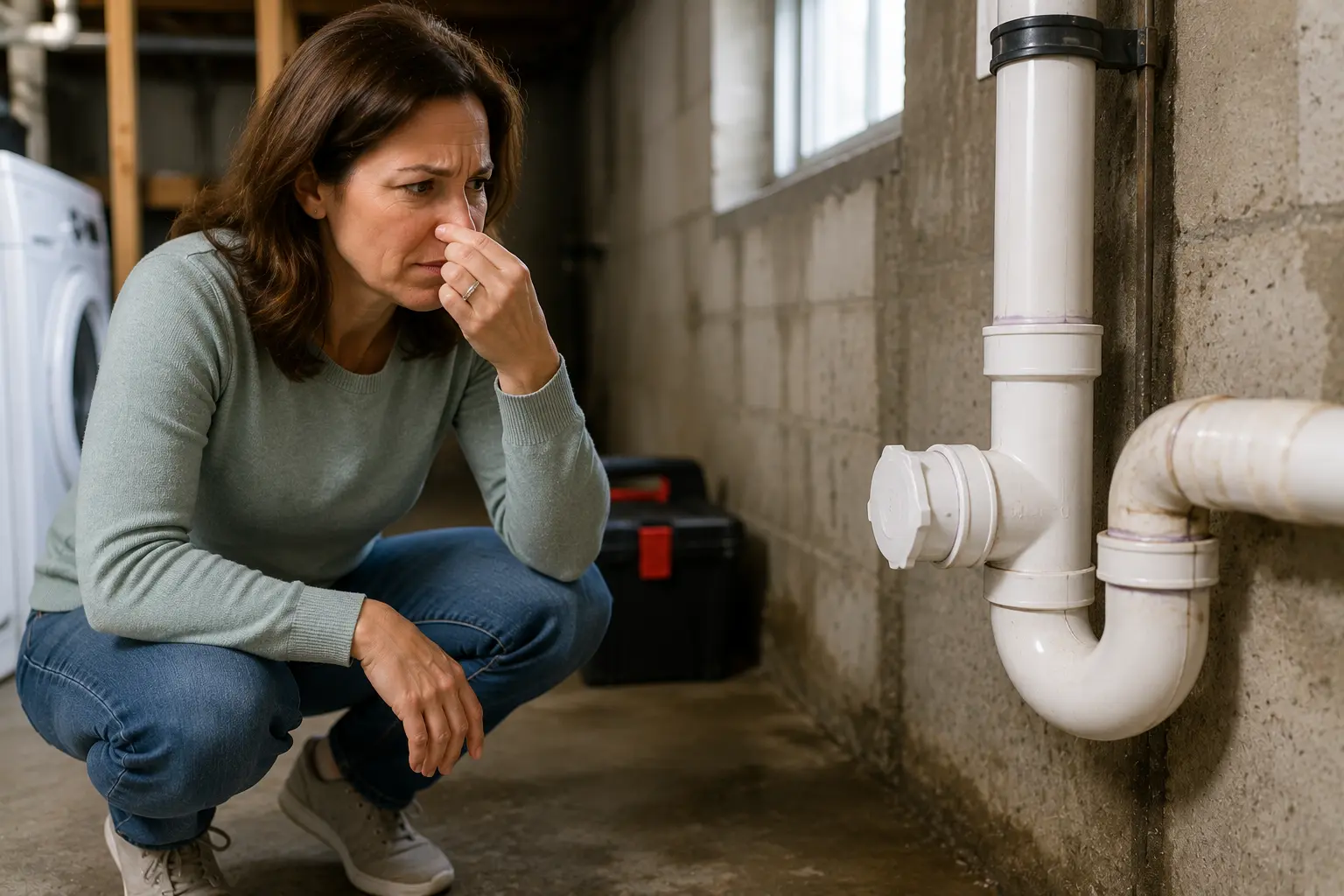
A sewer odor after sewer repair can be unsettling because homeowners expect the smell to disappear once the damaged line is fixed. In some cases, a temporary odor may come from disturbed soil, opened drain lines, recent cleanup, or construction activity. In other cases, the smell may point to a dry trap, venting problem, incomplete cleanup, loose connection, drain issue, or a problem outside the repaired section.
The important question is whether the odor is brief and fading, or persistent and connected to other warning signs such as slow drains, gurgling fixtures, wet soil, or recurring backups. For Chicago homeowners, sewer odors after repair can be especially confusing because older homes often have basements, aging interior plumbing, combined sewer conditions, and dense underground utility layouts.
This guide explains why sewer odors can happen after repair, what is normal, what is not, and what homeowners should check before assuming the sewer replacement failed. For more post-repair guidance, visit the Post-Repair Concerns resource hub.
Key Takeaways
- A brief sewer odor after repair may be temporary, especially if drains were opened, soil was disturbed, or cleanup is still underway.
- Persistent sewer smells should not be ignored, especially if they occur with slow drains, gurgling, backups, or wet areas.
- Common causes include dry traps, venting problems, incomplete cleanup, loose fittings, drain residue, or issues outside the repaired section.
- A new sewer line does not automatically fix every interior plumbing or basement drainage problem.
- Chicago homes may have added odor concerns due to basements, older plumbing, weather changes, and municipal sewer conditions.
- Homeowners should document odors, inspection results, cleanup work, and any follow-up repairs.
Why Sewer Smell Can Remain After Repair
A sewer odor after sewer repair may be caused by disturbed sewer gas, dry drain traps, incomplete cleanup after a backup, venting issues, loose or improperly sealed connections, bacteria in drains, or problems in parts of the plumbing system that were not repaired. A short-lived odor may fade after normal use and cleanup, but a persistent or worsening smell should be investigated.
Is Sewer Odor Normal After Sewer Repair?
A mild, temporary odor can happen after sewer work, especially if the repair involved excavation, pipe cutting, open drain lines, basement cleanup, or disturbed soil. Sewer systems contain gases and residue that can be released when pipes are opened or replaced.
However, the smell should not be strong, ongoing, or getting worse. It should also not be accompanied by recurring backups, multiple slow drains, wet basement areas, or sewage residue.
Homeowners who recently completed a larger sewer project may want to review What to Expect After Sewer Line Replacement for a broader explanation of the post-repair period.
Common Causes of Sewer Odor After Sewer Repair
Sewer odors can come from several different sources. The repair itself may be only one part of the plumbing system, so identifying where the smell is strongest is often the first step.
| Possible Cause | Where the Odor May Appear | Why It Happens |
|---|---|---|
| Dry drain trap | Basement floor drain, utility sink, unused bathroom | Water evaporates from the trap, allowing sewer gas into the home |
| Incomplete cleanup | Basement, laundry area, storage room | Residue from a prior backup remains on surfaces or materials |
| Open or loose connection | Near repaired pipe, cleanout, basement plumbing | Sewer gas escapes from an improperly sealed fitting or cap |
| Venting issue | Bathrooms, kitchen, upper floors, multiple fixtures | Plumbing vents may not be allowing sewer gases to move properly |
| Drain buildup | Sinks, tubs, floor drains | Organic residue in drains can smell like sewage |
| Unrelated drain problem | Multiple fixtures or recurring areas | Interior plumbing or an unrepaired sewer section may still have an issue |
| Outdoor soil disturbance | Yard, driveway, sidewalk, trench route | Excavated soil, residue, or wet backfill may temporarily smell |
Dry Traps After Sewer Work
One of the simplest causes of sewer odor is a dry trap. Drain traps hold water to block sewer gas from entering the home. If a drain is unused for a while, or if air pressure changes pull water out of the trap, sewer gas can escape.
Dry traps are common in:
- Basement floor drains
- Utility sinks
- Unused bathrooms
- Guest showers
- Laundry drains
- Old or rarely used fixtures
If the odor is strongest near a floor drain or unused fixture, adding water to the drain may help restore the trap seal. If the odor returns quickly, there may be a venting or drain problem that needs further evaluation.
Odors From Cleanup After a Sewer Backup
If the sewer repair followed a backup, the odor may come from contaminated materials rather than the newly repaired pipe. Sewage residue can remain in porous materials, behind baseboards, under flooring, in stored belongings, or in unfinished basement areas.
Odor may linger if sewage affected:
- Carpet or padding
- Drywall
- Wood trim
- Stored boxes
- Insulation
- Basement flooring
- Cracks in concrete
- Floor drain areas
Important: If sewage entered the home, odor control may require sanitation and material removal, not just air fresheners or surface cleaning.
For a practical post-repair checklist, see Sewer Repair Cleanup Checklist.
Loose Cleanout Caps or Pipe Connections
After sewer repair, homeowners should know where the cleanout is located and confirm that caps and access points are sealed properly. A loose cleanout cap can allow sewer gas to escape even when the pipe itself is functioning.
Potential odor points include:
- Exterior cleanouts
- Basement cleanouts
- Pipe transition points
- Floor drains
- Utility room plumbing
- Recently repaired pipe sections
If the smell is strongest near a cleanout or exposed plumbing connection, the issue may be related to sealing rather than a failed sewer line.
Venting Problems After Sewer Repair
Plumbing vents help balance air pressure and allow sewer gases to exit through the roof instead of entering the home. If the venting system is blocked, undersized, damaged, or otherwise not working correctly, sewer odors may appear even after the sewer line itself has been replaced.
Possible signs of venting problems include:
- Gurgling drains
- Slow drainage in multiple fixtures
- Odors from sinks or tubs
- Trap water disappearing quickly
- Toilets bubbling when other fixtures drain
A venting issue is not always caused by sewer replacement, but it may become more noticeable after other drain problems have been corrected.
Could the Sewer Repair Have Failed?
A sewer odor does not automatically mean the repair failed. Many odor issues come from traps, vents, cleanup, or interior plumbing. However, certain symptoms may suggest that the new line, connection, or remaining older pipe should be evaluated.
Possible concerns include:
- Strong sewer odor that does not improve
- Slow drains throughout the house
- Recurring backups after repair
- Gurgling toilets or drains
- Wet soil near the repaired area
- Visible settling along the trench
- Odor strongest near a new cleanout or pipe connection
If odor appears along with drainage symptoms, review Drain Problems After Sewer Replacement: Common Causes.
Outdoor Sewer Odors After Excavation
Outdoor odors may come from disturbed soil, wet backfill, old pipe removal, temporary patches, or incomplete cleanup. The smell may be noticeable near the excavation route, driveway, sidewalk, or yard.
Outdoor odor concerns may be more likely if:
- The soil remained wet after excavation
- Old pipe debris was not fully removed
- Backfill contains contaminated soil
- The yard has poor drainage
- There is standing water above the sewer route
- Temporary patches are trapping moisture
If excavation affected the yard or landscaping, related restoration issues may also matter. See Yard Repair After Sewer Excavation and Landscaping After Sewer Line Replacement.
Chicago-Specific Sewer Odor Considerations
Basements and Floor Drains
Many Chicago homes have basements with floor drains, laundry drains, utility sinks, and older plumbing layouts. These areas are common sources of sewer odor after repair, especially if traps dry out or backup cleanup was incomplete.
Older Interior Plumbing
A new exterior sewer line does not automatically replace old interior drain lines, vent stacks, or fixture connections. Odors may come from plumbing inside the home rather than the new sewer line.
Combined Sewer Conditions
In some areas, heavy rain and municipal sewer surcharging can create odor or backup concerns even after private sewer work is complete. A private repair can improve the home-side system but does not control the public sewer during extreme conditions.
Freeze-Thaw and Soil Movement
Chicago freeze-thaw cycles can affect recently excavated areas. Soil settlement, cracked patches, or drainage changes may create wet areas that hold odor outdoors.
Dense Urban Lots
Close lot lines, shared gangways, alleys, neighboring drains, and limited ventilation around exterior spaces can make odor sources harder to identify.
What Homeowners Should Check First
Before assuming the sewer repair failed, homeowners can narrow down the odor source by checking where and when the smell appears.
- Is the odor indoors, outdoors, or both?
- Is it strongest near a floor drain, cleanout, bathroom, basement, or excavation area?
- Does it happen after running water?
- Does it get worse after rain?
- Are any drains slow or gurgling?
- Was there a prior sewage backup?
- Was cleanup completed?
- Are temporary patches or restoration areas still unfinished?
These observations can help determine whether the next step should involve drain cleaning, camera inspection, odor tracing, sanitation cleanup, or restoration follow-up.
Inspection, Warranty, and Documentation
If the odor persists, documentation becomes important. Homeowners should keep records of the repair, inspection, warranty, cleanup, and any follow-up visits.
Important records include:
- Final inspection approval
- Warranty documents
- Camera inspection reports
- Cleanup invoices
- Photos of affected areas
- Notes about when the odor appears
- Repair invoices or follow-up service reports
For more detail, review Sewer Replacement Final Inspection: What to Expect, Sewer Line Replacement Warranties Explained, and What Documents Should You Keep After Sewer Replacement?.
Insurance and Sewer Odor After Repair
Insurance may be relevant if the odor is connected to a covered sewer backup, contaminated materials, or property damage. However, insurance coverage depends on the policy, endorsements, exclusions, and cause of loss.
Homeowners should consider insurance documentation if:
- Sewage entered the home
- Basement materials were contaminated
- Cleanup or remediation was needed
- Odor remains after a covered backup
- Damaged belongings or building materials were removed
A sewer odor by itself may not trigger coverage, but the underlying cause might if it is tied to a covered event. Keep photos, invoices, and written communications if a claim may apply.
Warning Signs That Need Attention
Some sewer odors are minor and temporary, but others should be taken seriously.
Do not ignore: strong sewer odors with backups, multiple slow drains, gurgling fixtures, sewage residue, wet soil, standing water, or odor that worsens over time.
Warning signs include:
- Odor that lasts more than a short adjustment period
- Odor strongest near a newly repaired connection
- Recurring basement smells after cleanup
- Gurgling toilets or drains
- Water backing up into floor drains
- Wet or sinking soil over the sewer route
- Odor after every rainstorm
- Visible sewage residue or contamination
Common Mistakes Homeowners Make
- Assuming all sewer odor means the new line failed. Dry traps, vents, and cleanup issues are common causes.
- Masking odors instead of finding the source. Air fresheners do not solve sewer gas or contamination problems.
- Ignoring basement floor drains. Dry or dirty floor drains are common odor sources.
- Skipping cleanup after a backup. Odor may remain in porous materials or hidden areas.
- Not documenting the odor. Dates, locations, photos, and service reports can help with warranty or insurance questions.
- Assuming a new sewer line fixes every plumbing issue. Interior drains and vents may still need attention.
- Overlooking outdoor restoration problems. Wet soil, poor grading, or debris can contribute to odor near the excavation area.
Frequently Asked Questions
Is it normal to smell sewer gas after sewer repair?
A brief odor can happen after pipes are opened, soil is disturbed, or cleanup is underway. Persistent, strong, or worsening odor should be investigated.
How long should sewer odor last after repair?
There is no exact timeline, but a temporary odor should fade. If the smell continues, returns repeatedly, or appears with drainage symptoms, the source should be evaluated.
Can a dry floor drain cause sewer smell after replacement?
Yes. Basement floor drains and unused fixtures can allow sewer gas into the home if the water in the trap evaporates or is pulled out by pressure changes.
Does sewer odor mean the replacement failed inspection?
Not necessarily. Odor can come from dry traps, venting issues, cleanup problems, or interior plumbing. However, inspection records should be kept and reviewed if concerns continue.
Can sewer odor be caused by incomplete cleanup?
Yes. If sewage backed up before the repair, odor may remain in porous materials, cracks, flooring, baseboards, or stored belongings unless cleanup was thorough.
Will homeowner’s insurance cover sewer odor problems?
Coverage depends on the cause. If the odor is connected to a covered sewer backup or contaminated materials, insurance may be relevant. Policy terms and endorsements matter.
Should I get a camera inspection if there is odor after sewer repair?
A camera inspection may be useful if the odor appears with slow drains, gurgling, backups, or concern about the repaired section. Odor alone may also require checking traps, vents, and cleanup conditions.
Can outdoor sewer smell after excavation be temporary?
Yes. Disturbed soil, wet backfill, old pipe removal, or temporary restoration can create outdoor odors. The smell should improve as cleanup and restoration are completed.
Conclusion
A sewer odor after sewer repair does not always mean the repair failed. The smell may come from dry traps, venting issues, incomplete cleanup, disturbed soil, loose cleanout caps, drain buildup, or older plumbing that was not part of the repair. The key is to pay attention to where the odor appears, how long it lasts, and whether it comes with other symptoms.
For Chicago homeowners, basement drains, older plumbing, combined sewer conditions, weather, and post-excavation restoration can all play a role. A temporary odor may fade, but persistent sewer smell should be documented and investigated so the underlying cause can be addressed before it becomes a larger problem.