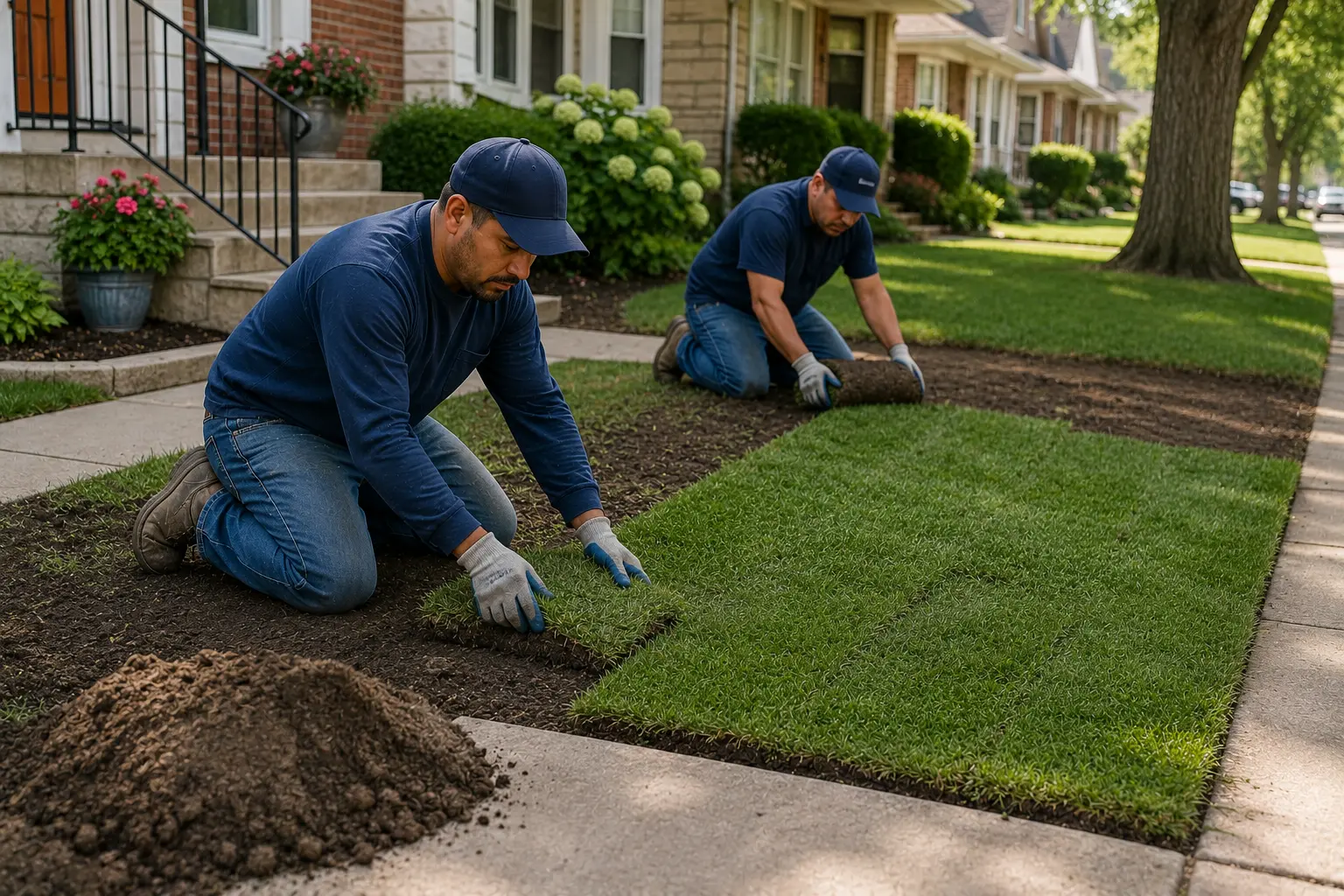
Yard damage is one of the most visible consequences of sewer line excavation. Even when a sewer replacement project is successful, homeowners are often left with disturbed soil, damaged grass, compacted ground, and landscaping that may take months to fully recover. Understanding what yard repair involves after sewer excavation can help homeowners set realistic expectations and make informed decisions about restoration.
While some properties recover quickly with basic seeding and grading, others require more extensive work depending on the depth of the excavation, soil conditions, weather, and the amount of landscaping that was affected. In Chicago, seasonal weather patterns and freeze-thaw cycles can also influence how quickly a yard returns to normal.
For additional guidance on post-project recovery and restoration, homeowners can explore the Post-Repair Concerns resource hub.
Key Takeaways
- Sewer excavation almost always causes some level of yard disturbance.
- Most restoration projects involve grading, soil replacement, and grass repair.
- Soil settlement can continue for months after excavation.
- Chicago weather can significantly affect lawn recovery timelines.
- Some landscaping features may require complete replacement.
- Proper restoration helps prevent drainage problems and future yard damage.
How Is a Yard Repaired After Sewer Excavation?
Yard repair after sewer excavation typically involves filling and grading trenches, replacing topsoil, restoring grass, repairing irrigation systems if present, and addressing any damaged landscaping. While basic restoration is often completed immediately after the sewer project, full recovery can take several weeks or even an entire growing season depending on weather conditions and the extent of excavation.
Why Sewer Excavation Damages Yards
Traditional sewer replacement often requires digging a trench from the house to the municipal sewer connection. Depending on the property layout, excavation may cross lawns, flower beds, shrubs, retaining walls, and other landscaping features.
Common causes of yard damage include:
- Removal of grass and vegetation
- Heavy equipment traffic
- Soil compaction
- Excavation spoil piles
- Tree and shrub root disturbance
- Trench backfilling and grading
The larger and deeper the excavation, the more extensive the restoration process is likely to be.
The Typical Yard Restoration Process
Most restoration projects follow a series of steps after the new sewer line has been installed.
1. Backfilling the Trench
After installation, the excavation trench is filled with soil. Proper compaction is important because loose soil can settle significantly over time.
2. Rough Grading
The surface is graded to restore the yard’s original contours and promote proper drainage.
3. Topsoil Placement
Additional topsoil may be added to support future grass growth and compensate for expected settlement.
4. Grass Restoration
Depending on the season and restoration plan, contractors may use:
- Grass seed
- Sod
- Hydroseeding
- Erosion-control materials
5. Landscape Repairs
Damaged landscaping features are repaired, replaced, or prepared for future restoration.
Homeowners seeking a broader overview of the post-project recovery process may also find What to Expect After Sewer Line Replacement helpful.
How Long Does Yard Recovery Take?
One of the biggest misconceptions is that a yard should look fully restored immediately after construction ends.
In reality, recovery often occurs in stages.
| Restoration Element | Typical Recovery Time |
|---|---|
| Initial grading | Immediately after excavation |
| Soil stabilization | Several weeks to months |
| Grass germination | 2–8 weeks depending on season |
| Sod establishment | Several weeks |
| Complete lawn recovery | Several months |
| Major landscaping restoration | One growing season or longer |
Weather, irrigation, soil quality, and seasonal timing all influence recovery speed.
Dealing With Soil Settlement
Settlement is one of the most common issues homeowners experience after sewer excavation.
Even when backfilled properly, disturbed soil naturally compresses over time.
Important: Minor settling is normal after sewer excavation. Significant depressions, pooling water, or large sinkholes may indicate that additional grading or fill material is needed.
Signs of normal settlement include:
- Small low spots above the trench route
- Slight grade changes after heavy rain
- Minor lawn unevenness
Potential warning signs include:
- Rapid sinking of large sections of yard
- Persistent standing water
- Visible voids forming in the soil
- Large depressions developing shortly after restoration
Grass Repair Options
Grass restoration methods vary depending on budget, timing, and desired appearance.
Grass Seed
Seeding is often the most economical approach but requires patience and proper watering.
Advantages include:
- Lower cost
- Good long-term blending with existing lawn
- Flexible installation timing
Drawbacks include slower establishment and greater vulnerability to weather conditions.
Sod
Sod provides an immediate green appearance and faster coverage.
Benefits include:
- Instant visual improvement
- Reduced erosion
- Faster usability
However, sod often costs more and requires careful watering during establishment.
Hydroseeding
Hydroseeding combines seed, mulch, fertilizer, and water into a sprayed mixture that can provide faster germination and erosion control.
Repairing Landscaping Features
Excavation can affect more than just grass.
Homeowners may need to address:
- Flower beds
- Shrubs
- Trees
- Decorative stone features
- Mulch areas
- Garden borders
- Landscape lighting
Some mature trees and shrubs may survive nearby excavation, while others may require replacement if root systems were significantly disturbed.
For more detailed guidance on rebuilding landscaping after sewer work, see Landscaping After Sewer Line Replacement.
Drainage Issues After Yard Restoration
Proper grading is one of the most important aspects of yard repair.
If grading is not restored correctly, homeowners may experience:
- Standing water
- Foundation drainage concerns
- Erosion
- Mud accumulation
- Landscape damage
A properly graded yard should direct water away from the home’s foundation and prevent water from collecting over the sewer trench.
If drainage problems develop after restoration, they should be addressed before they cause larger property issues.
Chicago-Specific Yard Repair Considerations
Freeze-Thaw Cycles
Chicago’s winter weather can significantly affect newly restored yards. Soil expands and contracts as temperatures fluctuate, increasing the likelihood of settlement during the first year after excavation.
Heavy Clay Soils
Many Chicago-area properties contain clay-rich soils that drain slowly and can become heavily compacted during construction activities.
Spring Rainfall
Spring restoration projects may experience delays due to wet soil conditions and limited opportunities for grading and seeding.
Growing Season Timing
Projects completed late in the year may require temporary stabilization measures until permanent lawn restoration can occur during the next growing season.
Related Repairs That May Be Necessary
Depending on the sewer route, excavation can affect more than the yard alone.
Homeowners may also need information about:
- Driveway restoration
- Sidewalk reconstruction
- Cleanup procedures
- Final inspections
Helpful resources include:
Should Homeowners Perform Additional Yard Improvements?
Some homeowners view sewer excavation as an opportunity to upgrade portions of their landscaping.
Potential improvements include:
- Regrading problem areas
- Installing drainage improvements
- Expanding planting beds
- Replacing aging shrubs
- Adding erosion-control measures
- Improving lawn irrigation systems
While these upgrades are optional, they can be easier to perform while portions of the yard are already disturbed.
Common Mistakes After Sewer Excavation
- Expecting immediate perfection. Lawn recovery takes time.
- Ignoring settlement. Small depressions can worsen if left unaddressed.
- Overwatering new grass. Excess water can create drainage and erosion issues.
- Replanting too soon. Newly disturbed soil may still be settling.
- Skipping documentation. Photos and restoration records may be useful later.
- Failing to monitor drainage. Early corrections are easier than major regrading projects.
Frequently Asked Questions
Will my yard ever look the same after sewer excavation?
In many cases, yes. However, complete recovery may take months or even a full growing season depending on the amount of excavation and landscaping involved.
How much settling is normal after sewer excavation?
Minor depressions and gradual settlement are common. Large sinkholes, severe settling, or standing water should be evaluated further.
Is sod better than grass seed after sewer work?
Sod provides faster results and immediate coverage, while seed is often less expensive and may blend more naturally with existing lawns over time.
Can excavation damage tree roots?
Yes. Sewer trenches sometimes impact root systems, particularly for trees located near the excavation route. The extent of damage depends on root size, trench location, and tree species.
Should I keep records of the yard restoration work?
Yes. Property records, photographs, permits, and restoration documentation can be valuable later. Homeowners may also want to review What Documents Should You Keep After Sewer Replacement?.
Can insurance help cover landscaping damage?
Coverage depends on the policy and the cause of the damage. Sewer-related excavation and restoration are often handled separately from standard homeowner’s insurance claims.
When should I be concerned about drainage problems after restoration?
If water consistently pools above the trench area, near the foundation, or in newly graded sections of the yard, further evaluation may be appropriate.
Conclusion
Yard repair after sewer excavation is often one of the longest-lasting parts of the overall sewer replacement process. While the sewer system itself may be functioning immediately, lawns, landscaping, and soil conditions often require additional time to recover fully.
By understanding the restoration process, monitoring settlement, addressing drainage concerns, and maintaining realistic expectations, homeowners can help ensure their property recovers successfully after major sewer work. In Chicago’s climate, patience and proper maintenance are often key components of a successful yard restoration.