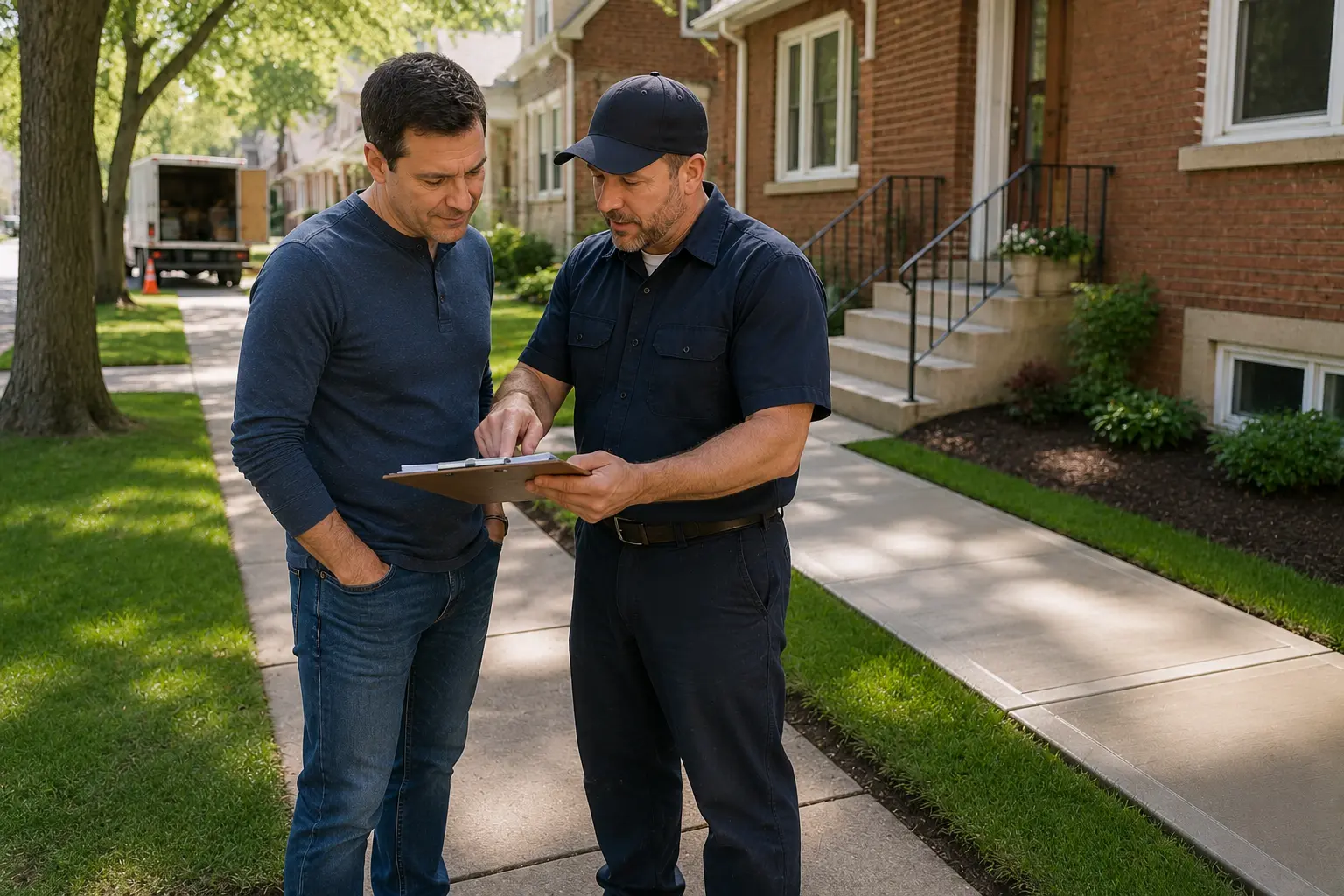
Completing a sewer line replacement is a major milestone for any homeowner. After weeks of inspections, estimates, permits, and construction, many people expect everything to immediately return to normal. In reality, the period following a sewer replacement is often a transition phase that includes inspections, cleanup, landscape restoration, and monitoring the performance of the new pipe.
Understanding what happens after the work is completed can help homeowners avoid unnecessary worry and identify legitimate concerns if they arise. Whether your project involved traditional excavation or a trenchless installation, knowing what to expect can make the recovery process smoother and help protect your investment.
For additional resources covering restoration, warranties, inspections, and long-term maintenance, homeowners can explore the Post-Repair Concerns resource hub.
Key Takeaways
- Most sewer replacement projects require some level of site restoration after construction is complete.
- Final inspections may be required before permits are officially closed.
- Minor settling of soil, landscaping, or hardscaping can occur during the months following replacement.
- A new sewer line should improve drainage performance, but occasional temporary issues may occur during the adjustment period.
- Homeowners should keep project documentation, warranties, permits, and inspection records for future reference.
- Monitoring for odors, drainage issues, or unusual settling can help identify problems early.
What Happens After a Sewer Line Replacement?
After a sewer line replacement, homeowners can expect final inspections, cleanup of the work area, restoration of affected landscaping or hard surfaces, and a period of monitoring to ensure the new system is functioning properly. Most projects are largely complete once the pipe is installed, but full property recovery may take several weeks or months depending on weather, soil conditions, and the extent of excavation.
The First Few Days After Installation
Once the new sewer pipe is connected and tested, contractors typically backfill excavated areas and perform basic site cleanup. At this stage, the sewer system is usually operational, allowing normal use of sinks, showers, toilets, and appliances.
During the first few days, homeowners may notice:
- Freshly disturbed soil in excavation areas
- Temporary patches in concrete, asphalt, or sidewalks
- Mud or construction debris near work zones
- Areas that appear unfinished pending final restoration
- Construction markings or utility paint that have not yet faded
While many homeowners expect the property to look exactly as it did before construction, restoration often occurs in stages.
Final Inspections and Permit Closeout
Most sewer replacement projects in Chicago require permits and inspections. Depending on the municipality and scope of work, an inspector may need to verify that the installation meets local code requirements before the permit is officially closed.
Homeowners can learn more about this process in Sewer Replacement Final Inspection: What to Expect.
A final inspection may include:
- Verification of proper pipe materials
- Confirmation of correct pipe slope
- Inspection of connections to municipal sewer systems
- Review of excavation and restoration work
- Documentation of completed repairs
Once inspections are approved, homeowners should retain copies of all paperwork.
How Your Yard May Change After Replacement
Even when restoration is performed carefully, sewer replacement often affects landscaping. Trenches disturb soil structure, grass roots, and plantings.
Common post-project yard conditions include:
- Bare soil patches
- Newly seeded grass areas
- Temporary erosion concerns
- Uneven grading
- Soil settlement over time
In many cases, lawns require an entire growing season before fully recovering.
Homeowners concerned about restoring their property should review Yard Repair After Sewer Excavation and Landscaping After Sewer Line Replacement.
What to Expect From Your New Sewer Line
One of the most noticeable benefits of replacement is improved drainage performance.
Many homeowners report:
- Faster draining sinks and tubs
- Fewer recurring clogs
- Reduced sewer odors
- Improved toilet flushing performance
- Less concern about tree root intrusion
However, it is important to remember that a new sewer line does not solve every plumbing issue inside a home. Drainage problems caused by interior plumbing, venting issues, or fixture defects may still occur.
If new issues appear after the project is completed, see Drain Problems After Sewer Replacement: Common Causes.
Understanding Soil Settlement
One of the most common concerns following sewer replacement is settling soil.
Excavation loosens the ground significantly. Even when compacted properly, backfilled soil often settles gradually as moisture, gravity, and seasonal weather cycles affect the area.
Important: Minor settling is normal after many sewer replacement projects. Significant depressions, pooling water, or severe sinking should be evaluated to determine whether additional fill or repairs are necessary.
| Condition | Typically Normal? | May Require Attention? |
|---|---|---|
| Slight soil depression | Yes | Usually no |
| Grass growth differences | Yes | No |
| Minor unevenness after rain | Often | Sometimes |
| Large sinkholes | No | Yes |
| Standing water over trench | No | Yes |
Driveway, Sidewalk, and Hardscape Restoration
Many Chicago sewer replacements require excavation beneath driveways, sidewalks, walkways, patios, or parking areas.
Depending on the project, restoration may involve:
- Temporary pavement patches
- Concrete replacement
- Asphalt resurfacing
- Sidewalk reconstruction
- Regrading around hardscape areas
Weather conditions can sometimes delay permanent restoration work. In northern climates, temporary repairs may remain in place until favorable construction conditions return.
Additional details can be found in Driveway Repair After Sewer Replacement and Sidewalk Repair After Sewer Work.
Documents You Should Keep
Many homeowners underestimate the importance of maintaining project records after sewer replacement.
Important documents include:
- Permits
- Inspection reports
- Contract agreements
- Project drawings
- Warranty information
- Payment records
- Before-and-after photographs
These records can become valuable if future repairs are needed or if the property is sold.
For a complete list, see What Documents Should You Keep After Sewer Replacement?.
Chicago-Specific Considerations
Chicago homeowners face several unique challenges after sewer replacement due to climate, infrastructure age, and municipal requirements.
Freeze-Thaw Cycles
Chicago’s winters can accelerate soil movement and settlement. Areas disturbed during excavation may continue shifting through multiple seasonal cycles.
Older Neighborhood Infrastructure
Many Chicago neighborhoods contain older clay, cast iron, or Orangeburg sewer systems. Replacement often resolves decades of deterioration, but neighboring utility infrastructure may still be aging.
Combined Sewer Systems
Some areas of Chicago continue to operate combined sewer systems where stormwater and wastewater share infrastructure. Homeowners should remain aware of basement flooding risks during severe storms even after a sewer line replacement.
Municipal Restoration Requirements
Certain municipalities require specific restoration standards for public sidewalks, parkways, and right-of-way areas affected during construction.
Warranty and Long-Term Protection
Most homeowners should review their warranty documentation shortly after project completion rather than waiting until a problem develops.
Warranty coverage may differ based on:
- Materials used
- Installation method
- Manufacturer guarantees
- Contract terms
- Transferability to future homeowners
For a deeper explanation, review Sewer Line Replacement Warranties Explained.
Understanding expected lifespan is equally important. Modern sewer materials can last for decades when installed properly and maintained appropriately. Additional information is available in How Long Do New Sewer Lines Last?.
Common Problems That May Appear After Replacement
While most projects are successful, homeowners should monitor for potential issues during the months following installation.
Watch for: recurring backups, persistent sewer odors, major ground settlement, standing water, slow drainage, or unexplained wet areas around the replacement path.
Potential warning signs include:
- Frequent drain clogs shortly after installation
- Gurgling fixtures
- Water pooling above the sewer route
- Sewage odors indoors or outdoors
- Unusual sinkholes or depressions
- Foundation-adjacent settlement
If sewer odors develop, homeowners may benefit from reviewing Why Is There a Sewer Odor After Sewer Repair?.
Common Homeowner Mistakes After Sewer Replacement
- Ignoring settlement. Small depressions may be normal, but significant sinking should be monitored.
- Throwing away paperwork. Documentation may be needed for warranties, insurance, or future property sales.
- Assuming every plumbing issue is related to the new sewer. Interior plumbing problems can still occur independently.
- Replanting too quickly. New landscaping may struggle if soil has not fully stabilized.
- Skipping final inspections. Ensure permits are officially closed and approved.
- Failing to understand warranty terms. Coverage details vary significantly.
Frequently Asked Questions
How long does it take for a yard to recover after sewer line replacement?
Recovery depends on the extent of excavation, weather conditions, and restoration methods. Grass may return within weeks, while complete landscaping recovery can take an entire growing season.
Should I expect drainage improvements immediately?
In most cases, yes. A properly installed sewer line should improve wastewater flow and eliminate many issues caused by damaged, collapsed, or root-intruded pipes.
Is soil settling normal after sewer replacement?
Minor settling is common because excavated soil naturally compacts over time. Significant sinking or water accumulation should be evaluated.
Will my homeowner’s insurance cover future sewer problems?
Coverage depends on your policy. Some insurers offer sewer backup endorsements or service line coverage, while others exclude many sewer-related issues.
How do I know if the final inspection passed?
You should receive documentation indicating that the work met applicable permit and code requirements. Keep these records with your other project paperwork.
Can I sell my home more easily after replacing the sewer line?
Many buyers view a recently replaced sewer line as a positive feature because it reduces uncertainty about a major component of the property. Learn more in Selling a House After Sewer Line Replacement.
How long should a new sewer line last?
Modern sewer materials often provide service lives measured in decades, though lifespan depends on installation quality, soil conditions, maintenance practices, and material type.
Conclusion
Replacing a sewer line is a significant project, but installation is only one part of the process. Homeowners should expect inspections, restoration work, documentation management, and ongoing monitoring during the months that follow. Most post-replacement issues are minor and related to restoration rather than the sewer pipe itself.
Understanding what is normal—and what may require further attention—can help homeowners protect their investment, maintain their property, and enjoy the long-term benefits of a properly functioning sewer system.