Sewer Repair Methods

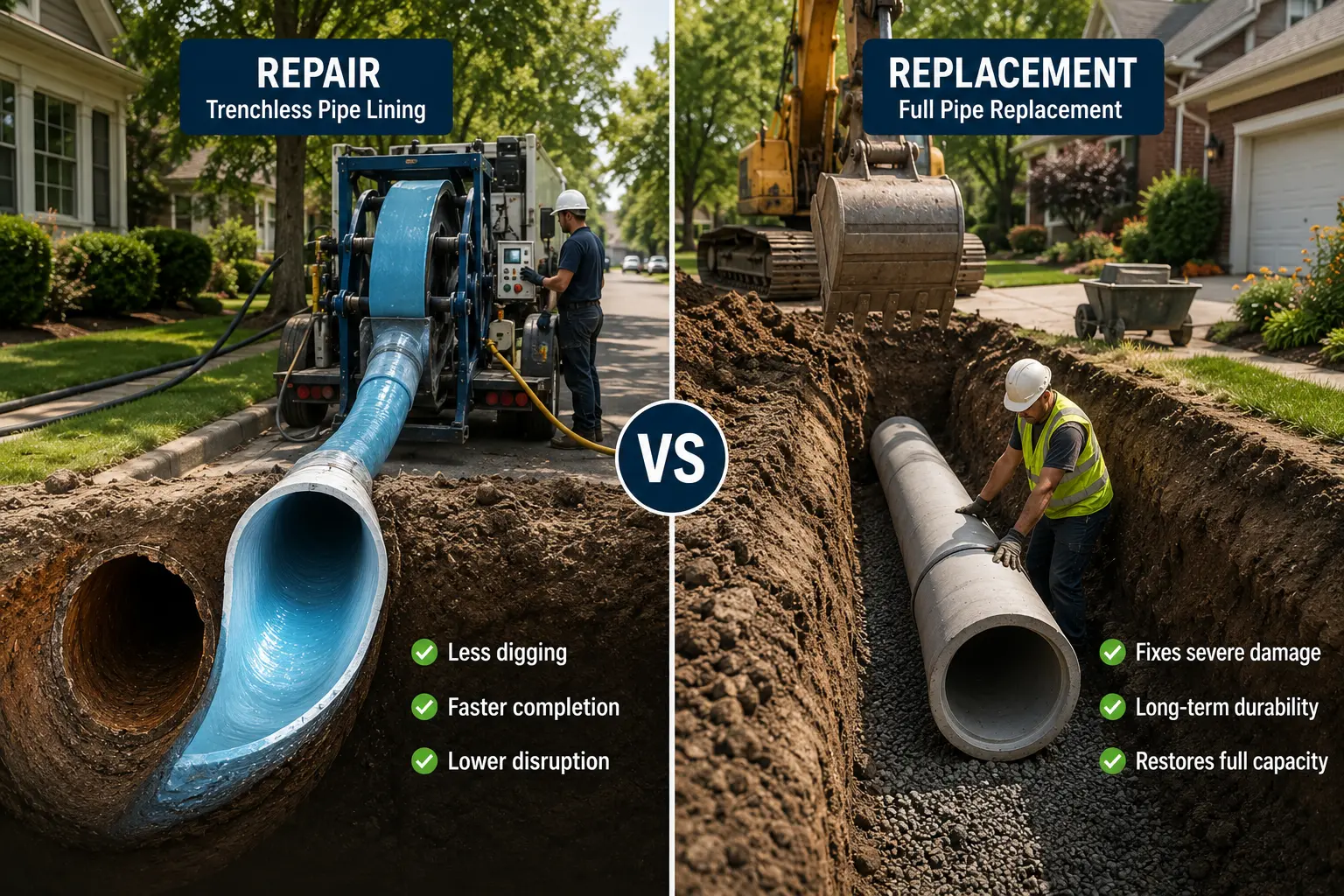
Residential sewer repair and sewer line replacement methods being performed at separate work sites, illustrating the differences between repairing an existing sewer line and installing a new one.

Sewer Line Repair vs Replacement: Which Option Makes Sense?

When a sewer line starts causing recurring problems, one of the biggest questions homeowners face is whether the pipe can be repaired or if full replacement is the better long-term solution. The answer depends on the age of the pipe, the extent of the damage, the location of the problem, and the overall condition of […]
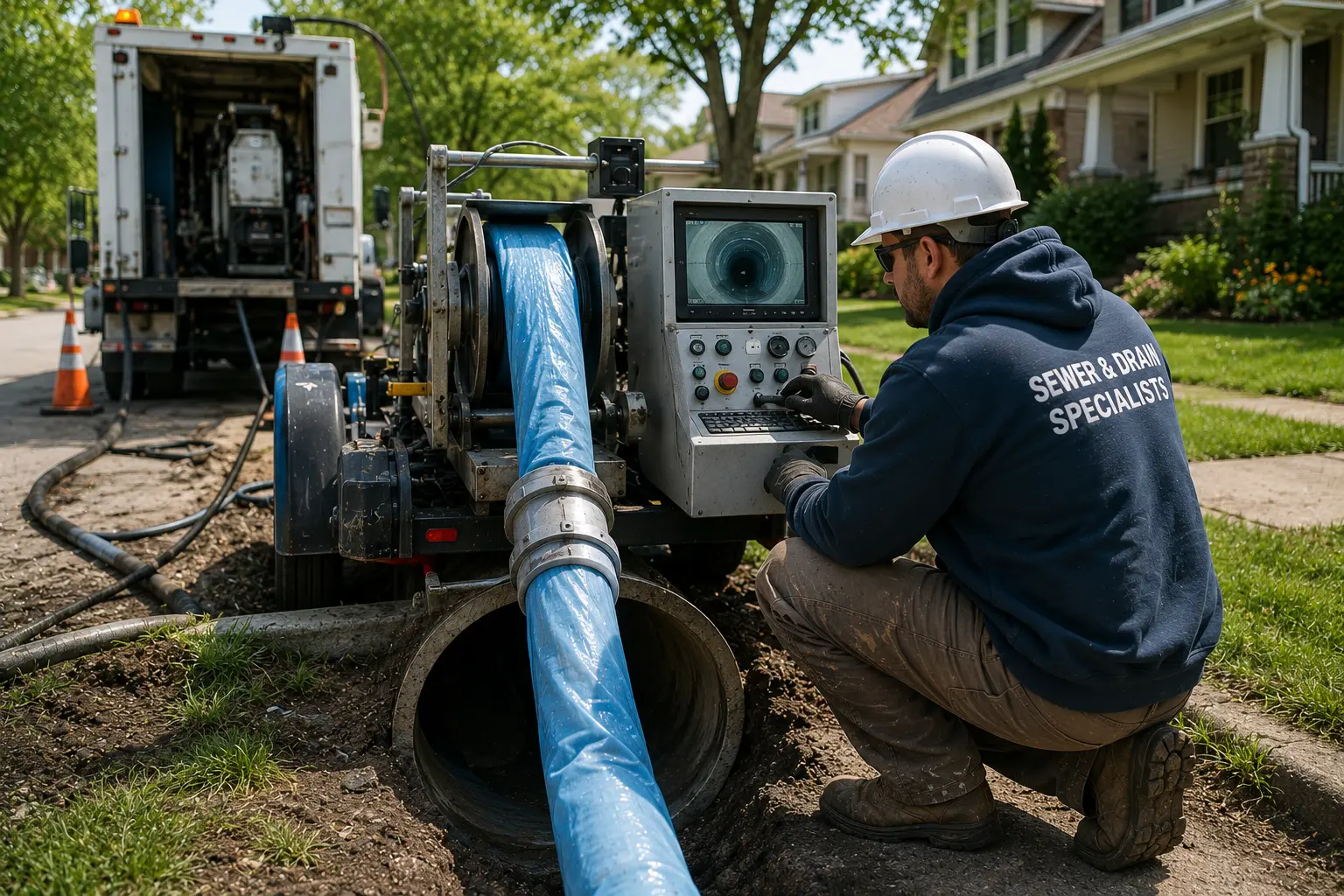
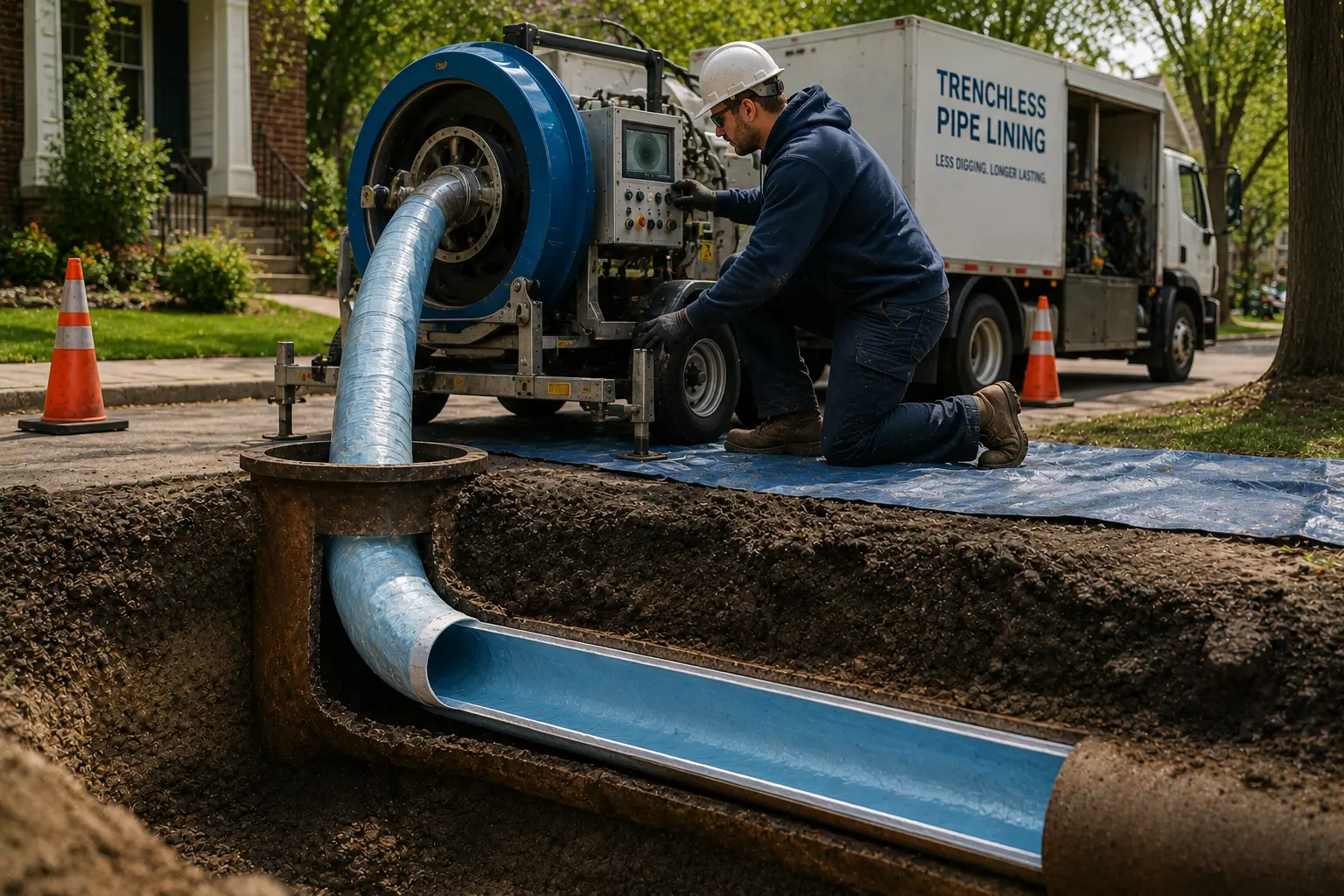
Technician operating trenchless sewer repair equipment during a pipe lining project in a residential Chicago neighborhood, with liner material being installed through an existing sewer pipe access point.

Trenchless Sewer Repair in Chicago Explained

Trenchless sewer repair is a method of repairing or replacing underground sewer lines with minimal excavation. Instead of digging a long trench across a yard, driveway, sidewalk, or landscaping, trenchless methods typically require only one or two access points while most of the work occurs inside the existing pipe. For many Chicago homeowners, trenchless technology

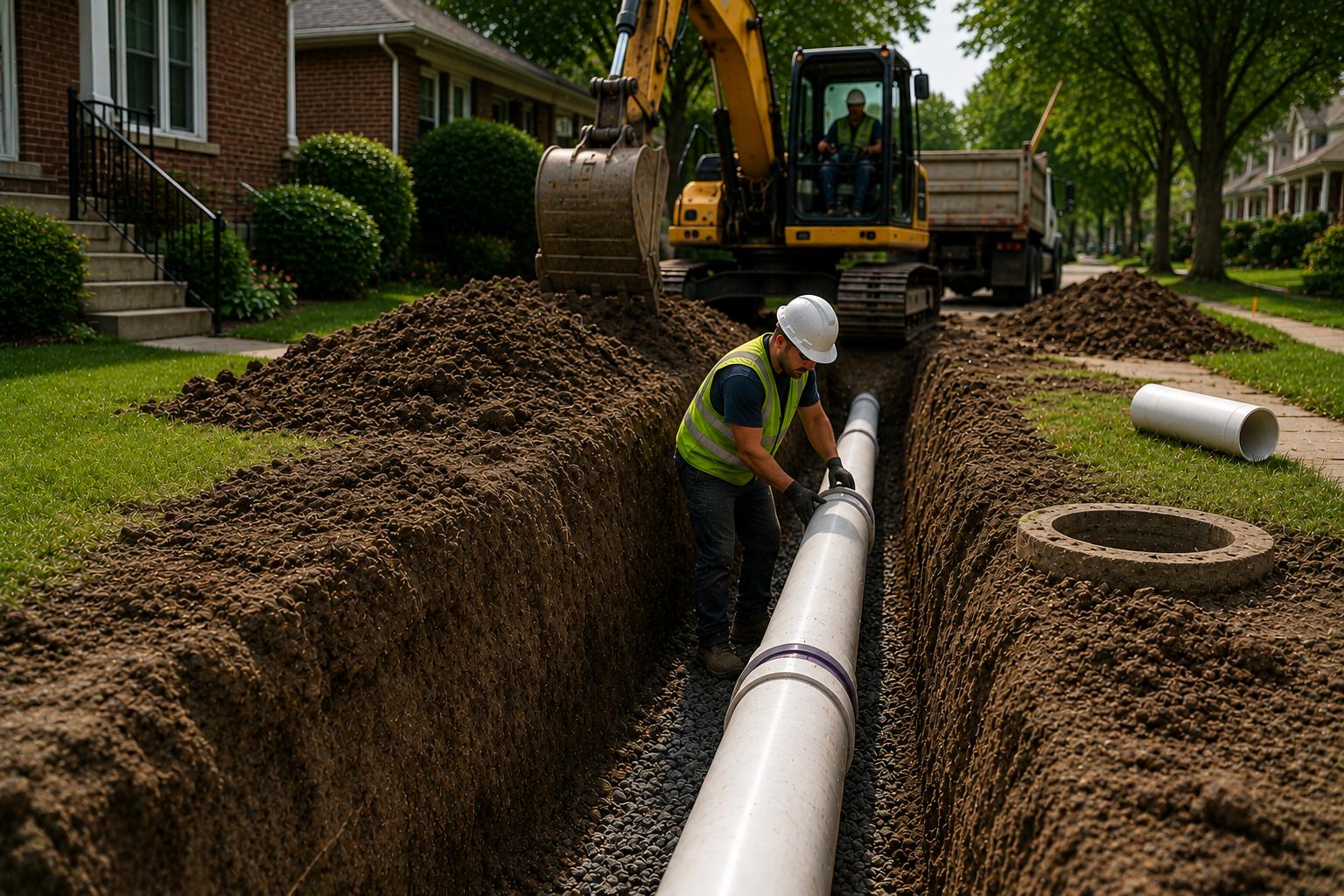
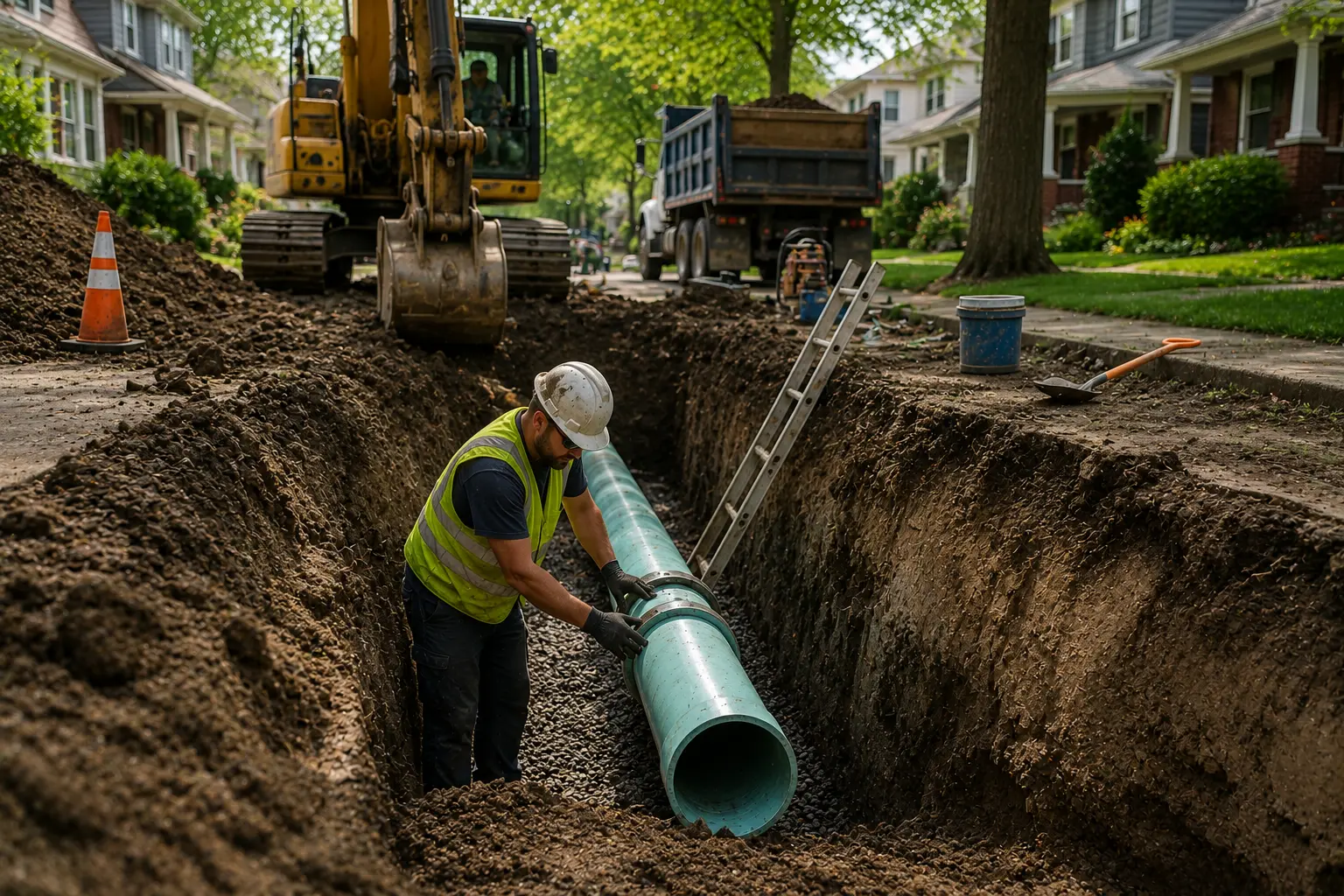
Construction worker installing a new sewer pipe inside a deep excavation trench in a residential Chicago neighborhood during a traditional sewer line replacement project.

Traditional Sewer Line Excavation: What Homeowners Should Expect

Traditional sewer line excavation is the process of digging down to expose a damaged sewer pipe so it can be repaired or replaced directly. While trenchless methods receive a lot of attention, excavation remains one of the most common and reliable ways to address serious sewer line problems, especially when the pipe is collapsed, severely

Technician operating pipe lining equipment during a trenchless sewer repair project in a Chicago residential neighborhood, with a liner being inserted into an existing sewer pipe.

Pipe Lining for Sewer Repair: How It Works

Pipe lining is a trenchless sewer repair method that creates a new pipe inside an existing damaged sewer line. Instead of digging up the entire pipe, a flexible liner is inserted into the old sewer line, positioned against the interior walls, and cured until it hardens into a smooth, durable inner layer. For Chicago homeowners,

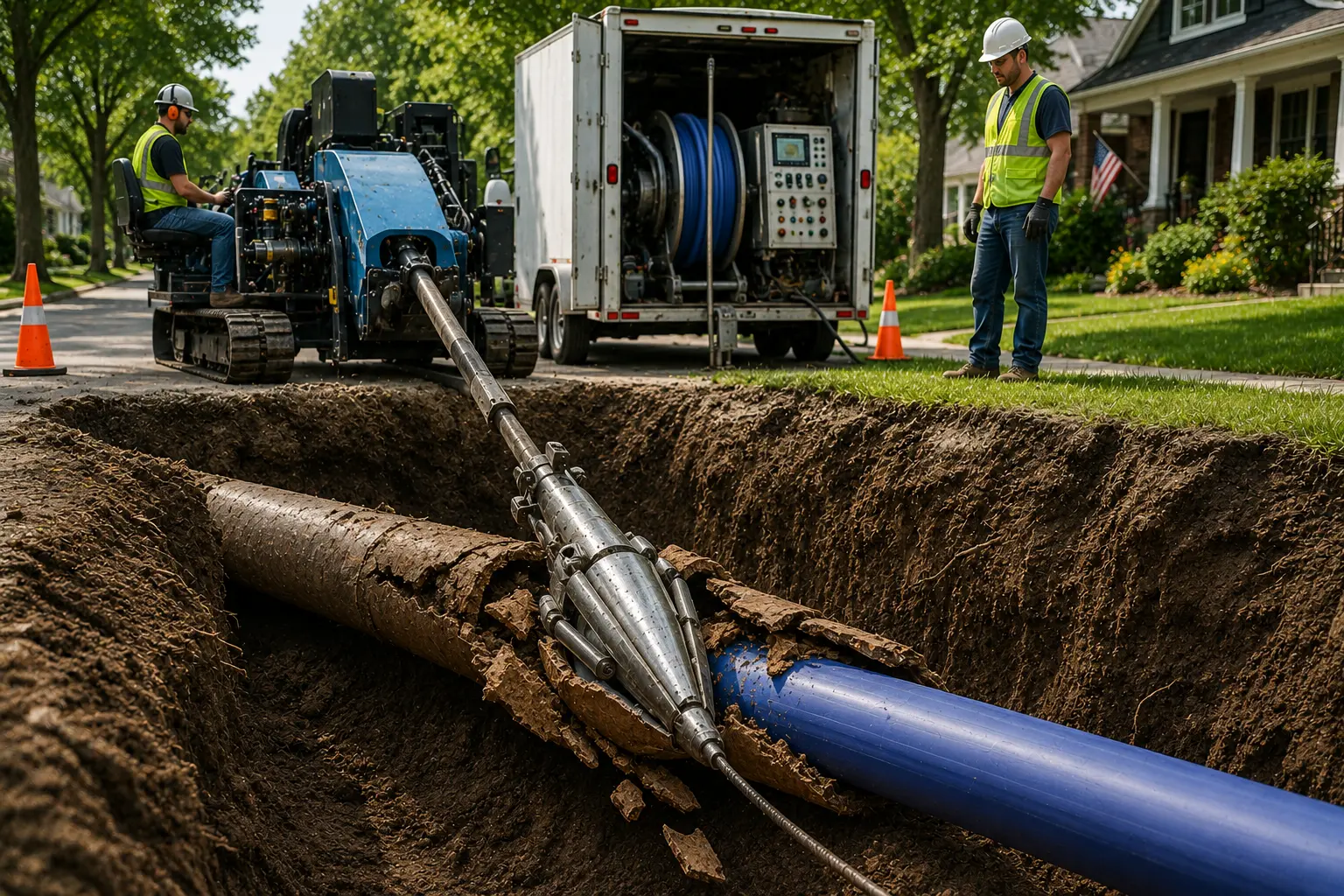
Pipe bursting equipment pulling a new sewer pipe through an existing damaged sewer line during a trenchless sewer replacement project in a residential Chicago neighborhood.

Pipe Bursting for Sewer Replacement Explained

Pipe bursting is a trenchless sewer replacement method that installs a new sewer pipe while breaking apart the old pipe underground. Instead of digging a long trench across the property, contractors use access points to pull new pipe into place along the same general path as the existing sewer line. For Chicago homeowners, pipe bursting

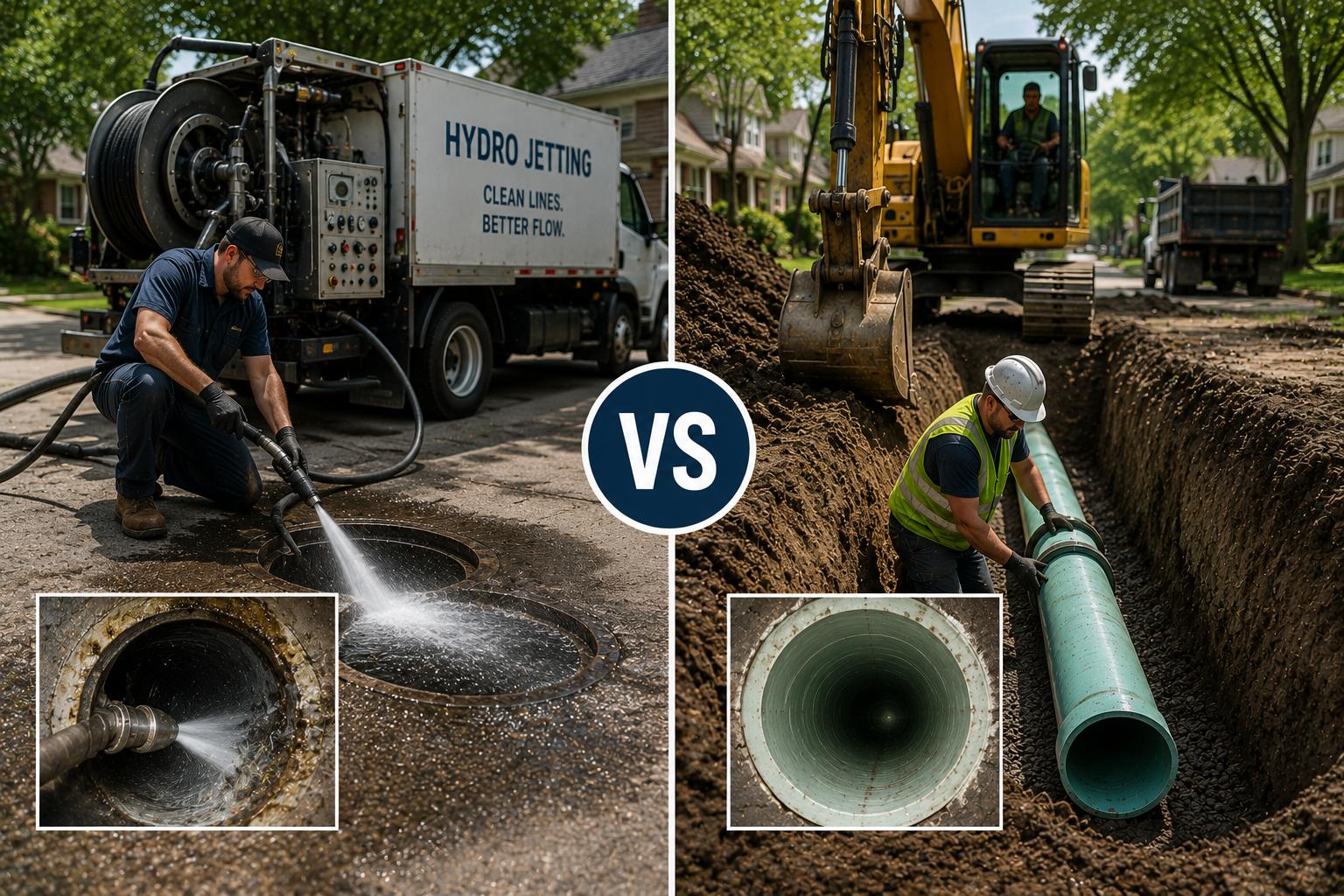
Hydro jetting service being performed through a sewer access point alongside a separate sewer line replacement project, illustrating the difference between pipe cleaning and full sewer line replacement.

Hydro Jetting vs Sewer Line Replacement

Hydro jetting and sewer line replacement solve very different sewer problems. Hydro jetting is a high-pressure cleaning method used to remove grease, sludge, roots, and debris from inside a sewer line. Sewer line replacement is a construction project that replaces a failing pipe when cleaning or minor repair is no longer enough. For Chicago homeowners,

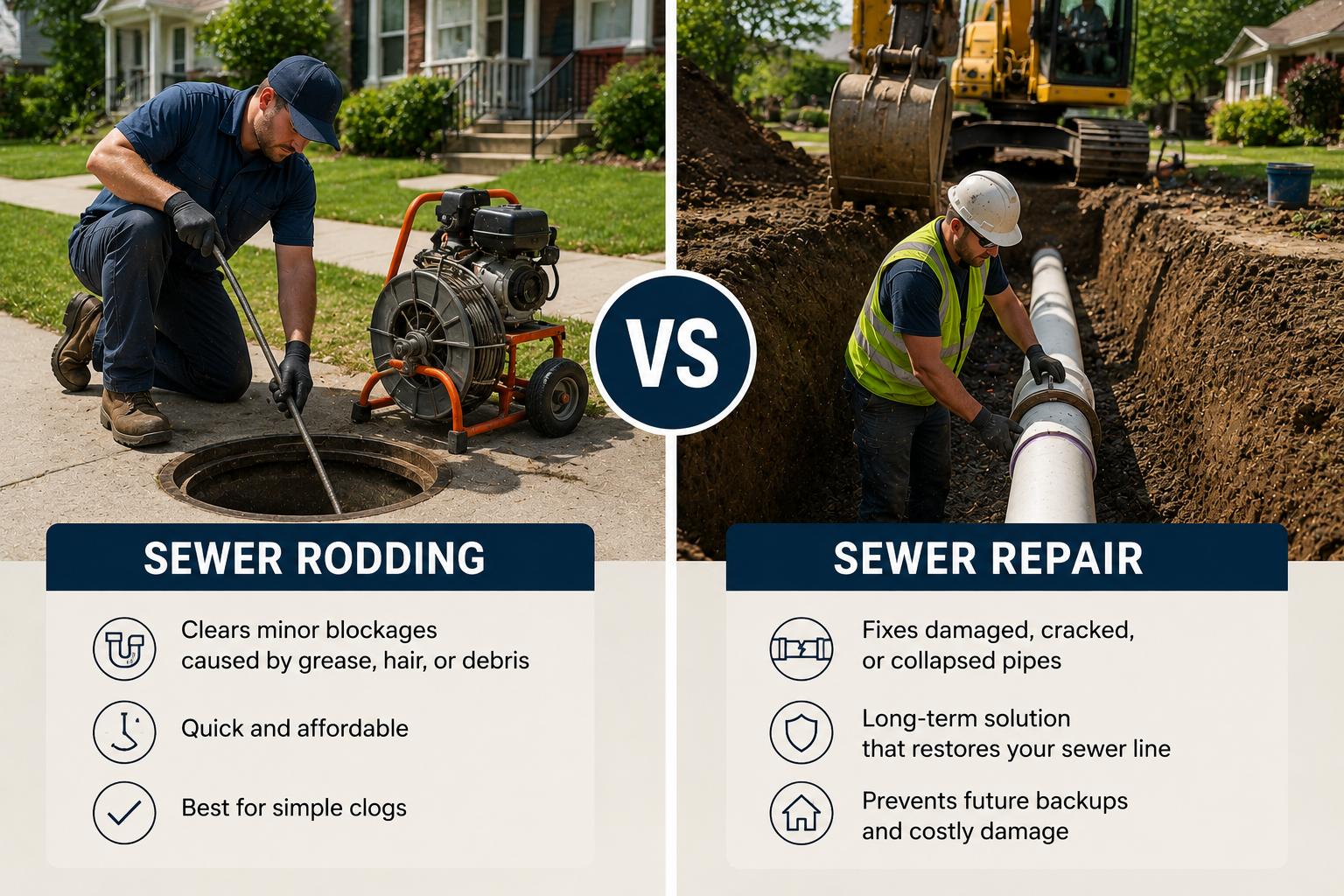
Technician performing sewer rodding through a sewer access point alongside a separate sewer line repair project involving excavation and pipe replacement, illustrating the difference between drain clearing and structural sewer repairs.

Sewer Rodding vs Sewer Repair: What’s the Difference?

Sewer rodding and sewer repair are often discussed together, but they are not the same thing. Sewer rodding is a cleaning method used to clear blockages inside a drain or sewer line. Sewer repair addresses physical damage to the pipe itself, such as cracks, breaks, root entry points, offset joints, corrosion, or collapse. For Chicago

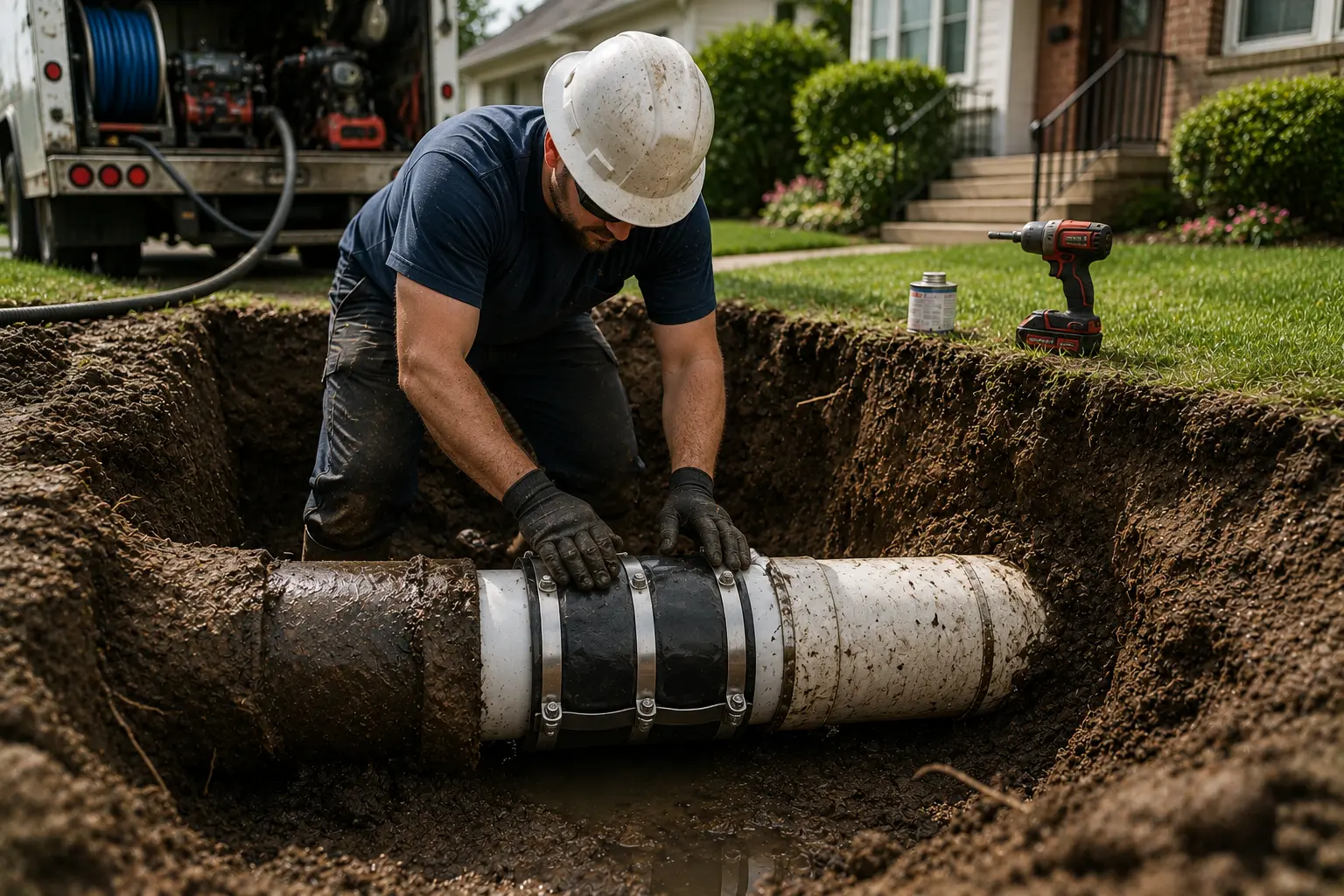
Technician performing a localized sewer pipe repair inside a small residential excavation trench, installing a repair coupling on a damaged section of sewer line rather than replacing the entire pipe.

Spot Repair for Sewer Lines: When Is It Enough?

A spot repair is a targeted sewer line repair that fixes one damaged section instead of replacing the entire pipe. It can be a practical option when a camera inspection shows a single crack, break, offset, root entry point, or failed joint while the rest of the sewer line remains in usable condition. For Chicago

Construction worker installing a new sewer line inside a full-length residential excavation trench during a complete sewer line replacement project in a Chicago neighborhood.

Full Sewer Line Replacement: What Homeowners Should Know

Full sewer line replacement is the process of replacing most or all of a failing sewer line instead of repairing one isolated section. It is usually considered when the existing pipe has widespread damage, repeated failures, severe root intrusion, major corrosion, collapse, or age-related deterioration that makes smaller repairs less reliable. For Chicago homeowners, full

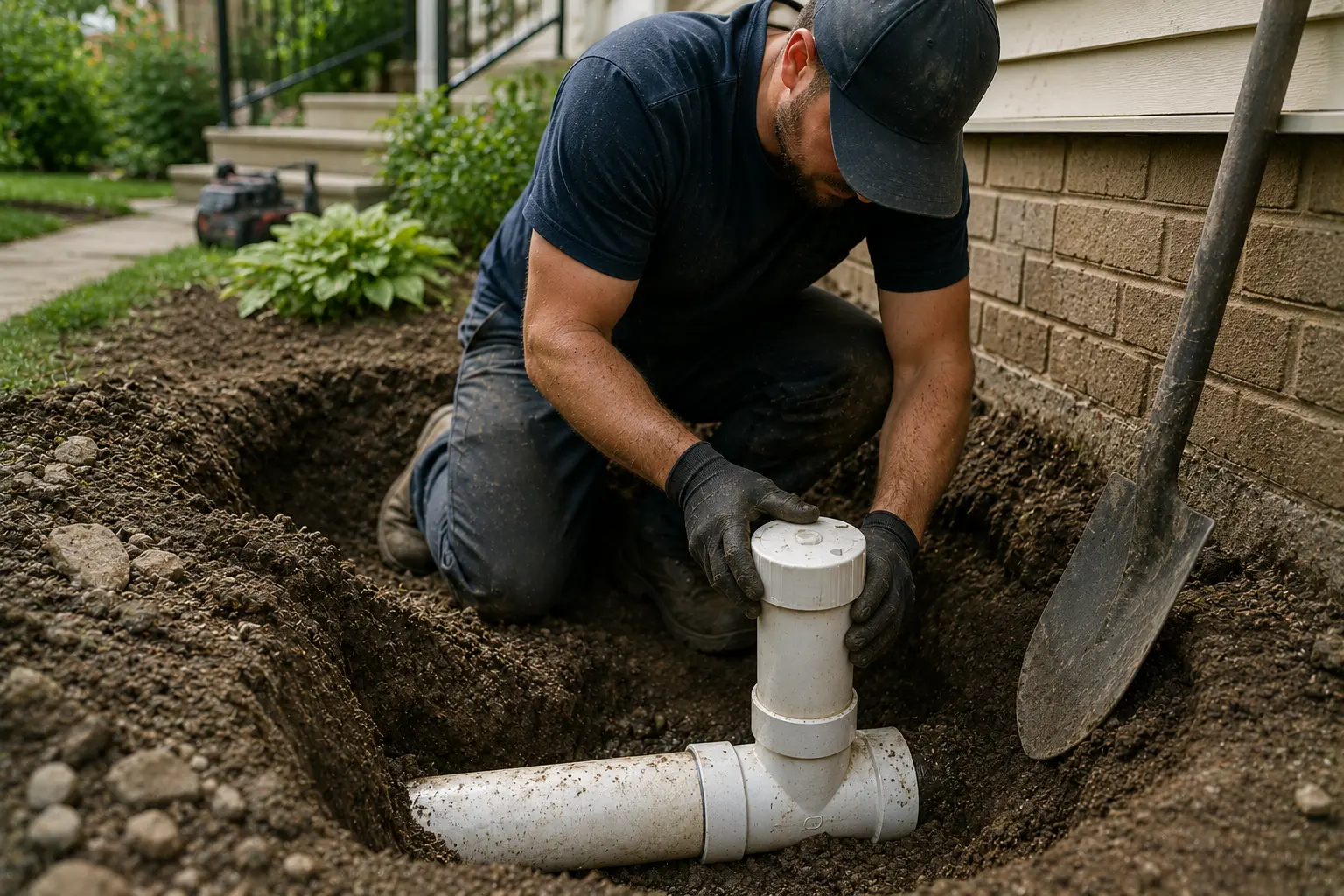
Technician installing a residential sewer cleanout access point beside a home's foundation, connecting a PVC cleanout fitting to an underground sewer line during a sewer system upgrade.

Sewer Cleanout Installation: Purpose, Cost, and Benefits

A sewer cleanout is an access point that allows a sewer line to be inspected, cleared, and maintained more easily. For homeowners, it can make a major difference when a main sewer line backs up, needs rodding, requires camera inspection, or must be evaluated for repair. Many Chicago homes, especially older properties, may have limited

Scroll to Top