Sewer Repair Methods

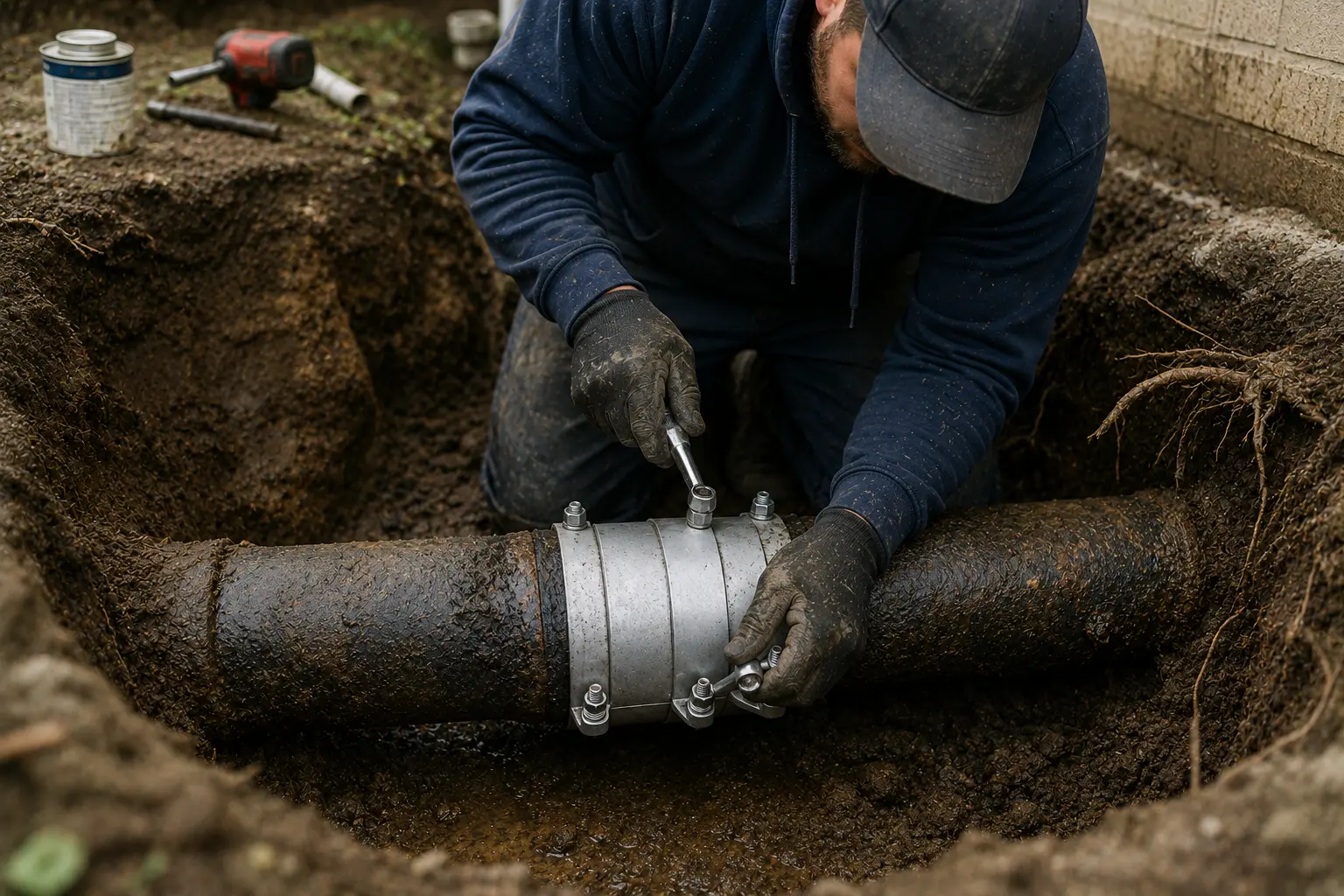
Technician repairing a corroded cast iron sewer pipe in a residential excavation trench using a repair clamp to restore a damaged section of pipe.

Cast Iron Sewer Pipe Repair Options

Cast iron sewer pipes are common in many older homes, including properties throughout Chicago. Cast iron can be strong and long-lasting, but it does not last forever. Over time, it may corrode, scale, crack, develop rough interior walls, or weaken enough that cleaning alone no longer solves the problem. For homeowners, the challenge is knowing […]
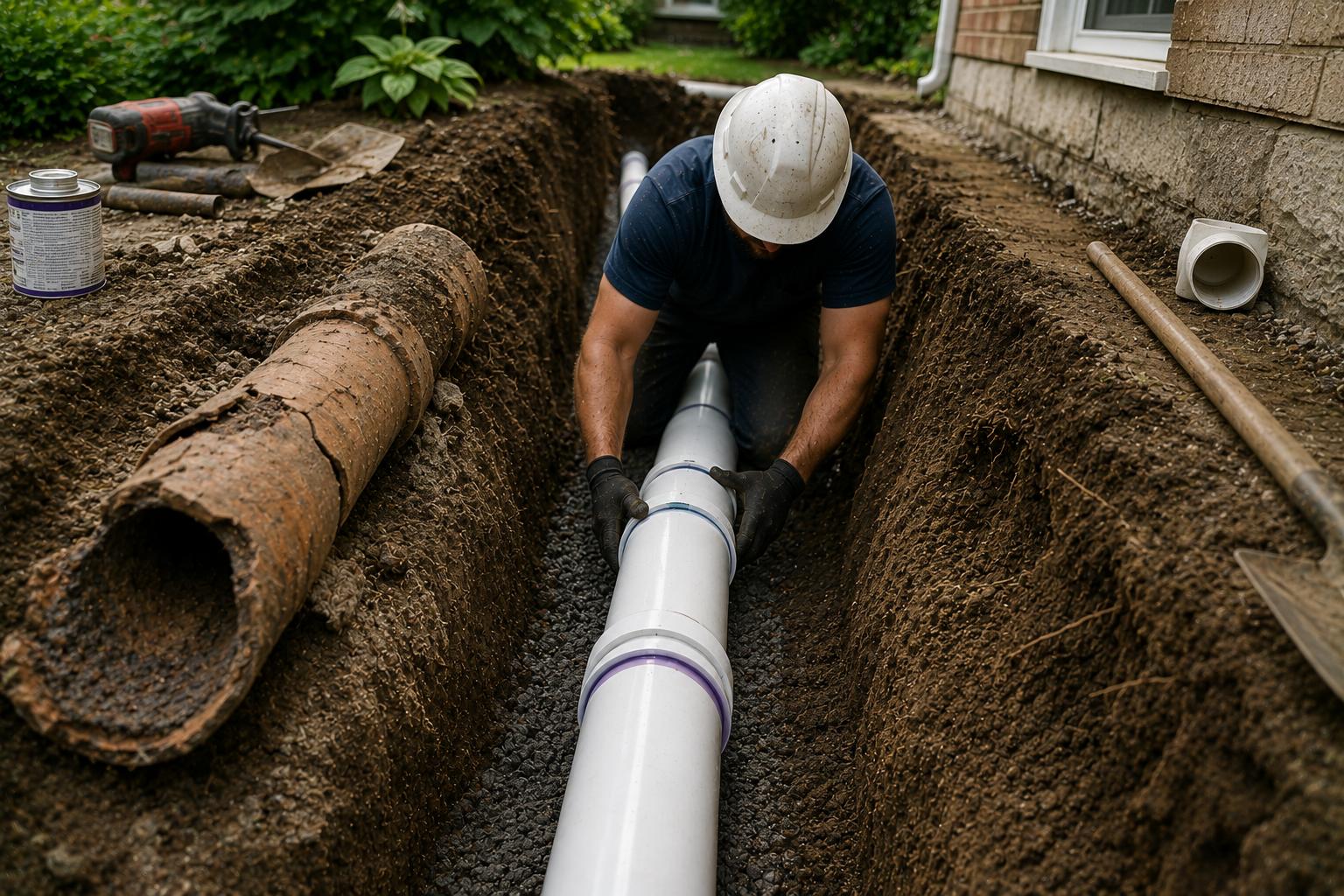
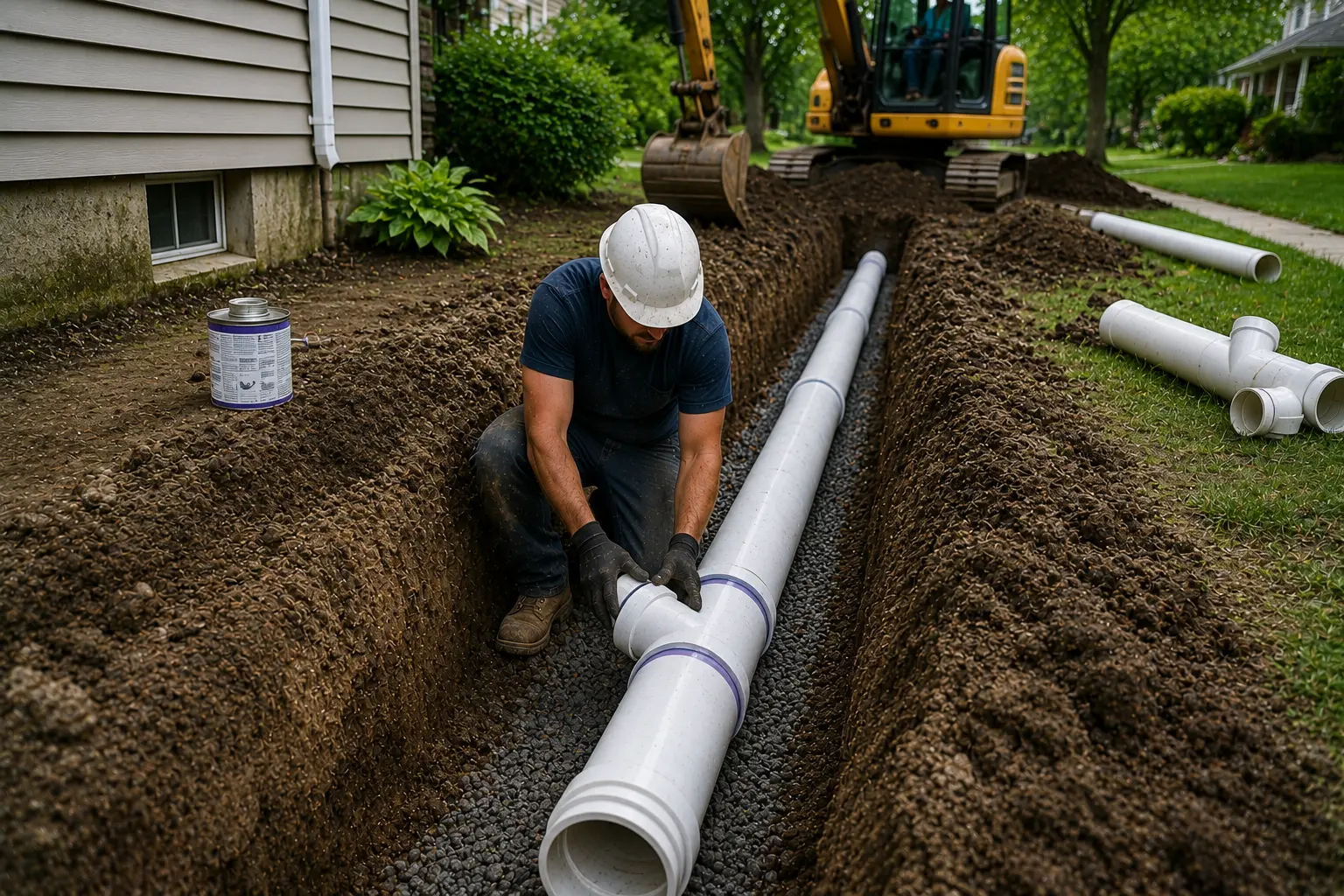
Contractor replacing a damaged clay sewer pipe with new PVC sewer piping in a residential excavation trench beside a Chicago-area home.

Clay Sewer Pipe Replacement: What to Expect

Clay sewer pipe replacement is a common consideration for older Chicago homes with aging underground sewer lines. Clay pipe can last a long time, but it is vulnerable to cracking, joint separation, root intrusion, shifting soil, and collapse as it ages. When these problems become widespread, repeated cleaning or small repairs may no longer be

Contractor installing a new PVC sewer line in a residential excavation trench beside a home, connecting modern sewer pipe sections during a sewer replacement project.

PVC Sewer Line Replacement Benefits and Considerations

PVC sewer line replacement is a common option when an older sewer pipe needs to be replaced with a modern material. PVC is widely used in residential sewer work because it is lightweight, corrosion-resistant, smooth inside, and compatible with many repair and replacement approaches when installed properly. For Chicago homeowners, PVC replacement often comes up

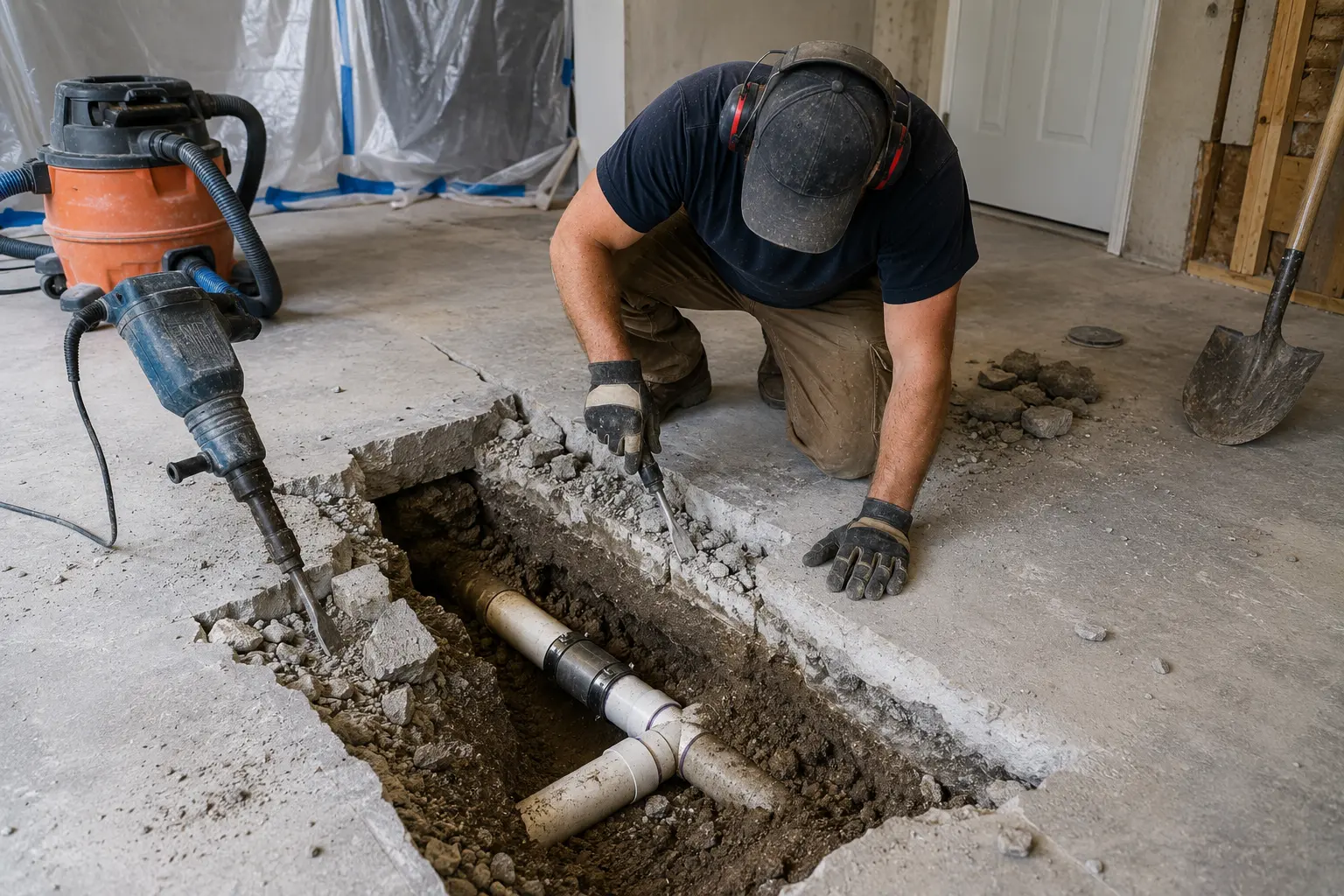
Contractor accessing and repairing a sewer line beneath a concrete slab floor by cutting and removing a section of concrete to expose underground plumbing.

Sewer Repair Under a Concrete Slab

Sewer repair under a concrete slab is one of the more disruptive and stressful sewer problems a homeowner can face. When a sewer line runs beneath a basement floor, garage slab, addition, or other concrete surface, the repair may involve cutting concrete, excavating below the slab, repairing or replacing pipe, and restoring the floor afterward.

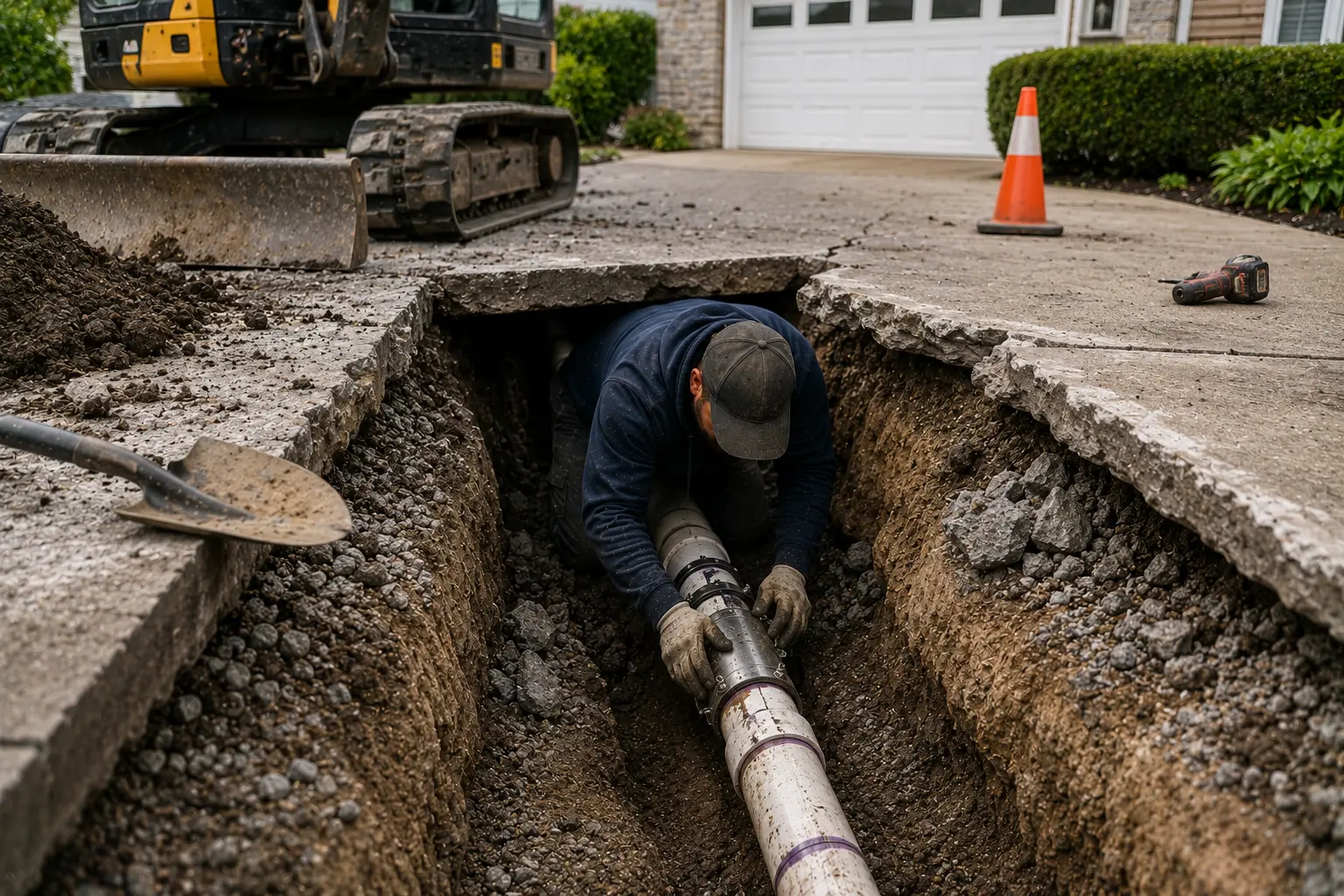
Contractor repairing a sewer line beneath a residential driveway by excavating through concrete to access and repair underground piping.

Sewer Repair Under a Driveway: Methods and Challenges

Sewer repair under a driveway can be more complicated than a sewer repair in an open yard. When the sewer line runs beneath concrete, asphalt, pavers, or a narrow driveway area, homeowners must consider not only the pipe repair itself but also access, excavation, surface removal, restoration, drainage, and whether trenchless methods may reduce disruption.

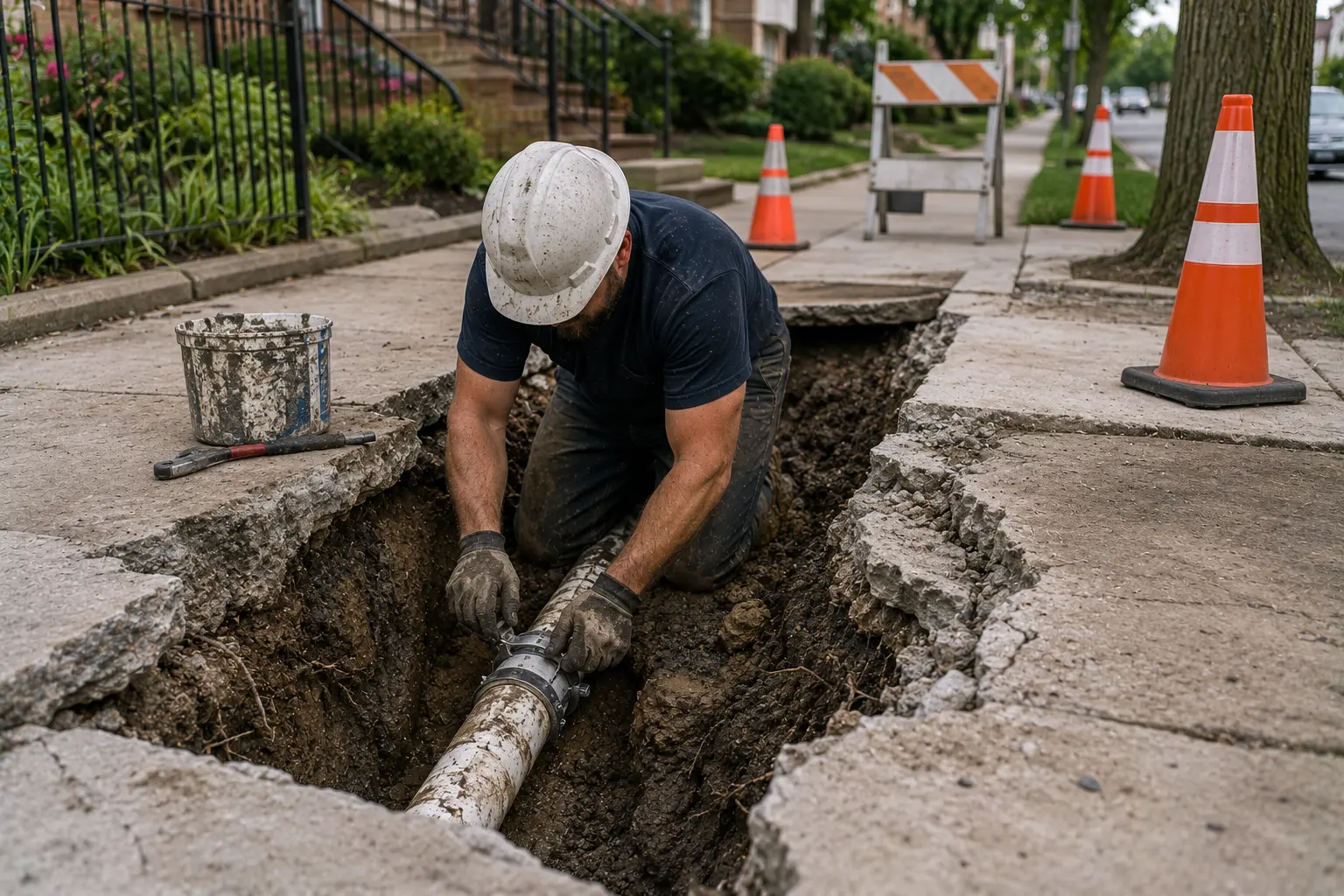
Contractor repairing a sewer line beneath a residential sidewalk by excavating through concrete pavement to access and repair underground sewer piping.

Sewer Repair Under a Sidewalk: What Homeowners Need to Know

Sewer repair under a sidewalk can be more complicated than a repair in an open yard because the work may involve concrete removal, public access, permits, pedestrian safety, and restoration requirements in addition to the sewer repair itself. When the damaged pipe runs beneath a sidewalk, homeowners need to understand both the plumbing issue and

Scroll to Top