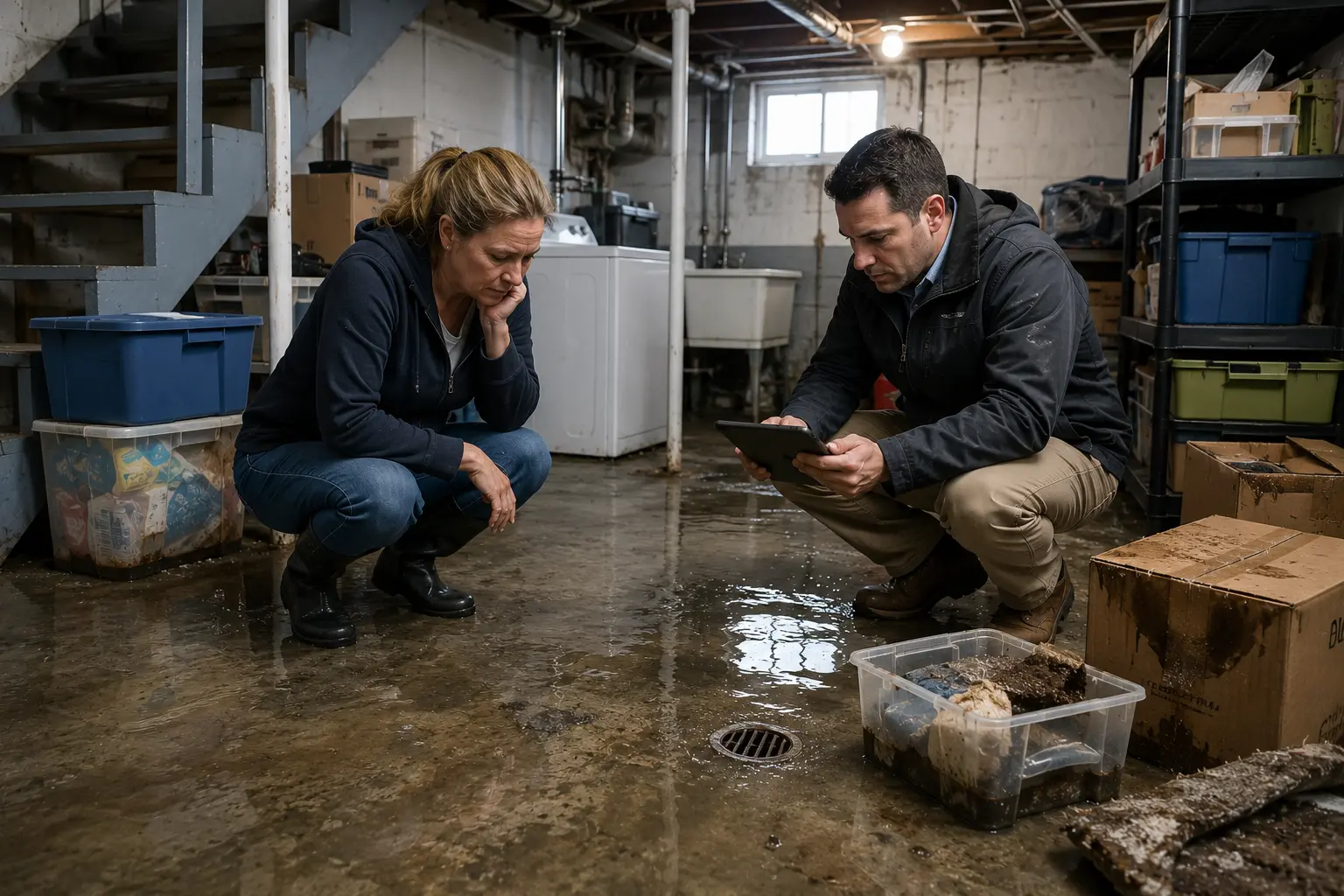
A sewer backup can be one of the most expensive and disruptive problems a homeowner faces. Raw sewage entering a basement, crawl space, or lower level of a home can damage flooring, drywall, furniture, appliances, and personal belongings while creating significant health and sanitation concerns.
Unfortunately, many homeowners discover after a backup occurs that standard homeowners insurance often does not automatically cover sewer backup damage. Coverage usually depends on whether a specific endorsement was added to the policy before the loss occurred.
Understanding what sewer backup insurance covers, what it excludes, and how claims are handled can help Chicago homeowners make informed decisions about protecting their property from a potentially costly event.
For additional guidance on sewer-related insurance topics, warranties, claims, and financial planning, visit the Insurance & Financial Protection hub.
Key Takeaways
- Standard homeowners insurance policies often exclude sewer backup damage.
- Sewer backup coverage is commonly available through an optional endorsement or rider.
- Coverage may help pay for cleanup, sanitation, repairs, and damaged belongings.
- Coverage limits vary significantly between policies.
- Sewer backup coverage is different from service line coverage.
- Older Chicago homes may face elevated sewer backup risks due to aging infrastructure and heavy rainfall events.
- Reviewing policy limits before a loss occurs is critical.
Does Insurance Cover Sewer Backups?
In many cases, sewer backup damage is only covered if the homeowner has purchased a sewer backup endorsement. Standard homeowners insurance policies frequently exclude damage caused by sewage or water backing up through drains, toilets, floor drains, or sump systems.
If sewer backup coverage has been added to the policy, it may help pay for cleanup, repairs, replacement of damaged property, and other covered losses up to the policy limit. Coverage details vary by insurer, policy form, deductible, and endorsement terms.
What Is a Sewer Backup?
A sewer backup occurs when wastewater cannot flow properly through the drainage system and instead reverses direction into the home.
Backups can occur through:
- Basement floor drains
- Toilets
- Bathtubs
- Showers
- Sinks
- Laundry drains
The source of the backup may be located within the home’s private sewer system, the municipal sewer system, or somewhere between the two.
Regardless of the cause, sewage entering a home often requires extensive cleanup and restoration due to contamination concerns.
Why Standard Homeowners Insurance Often Excludes Sewer Backups
Many homeowners assume water damage is always covered by insurance. However, insurance companies frequently distinguish between different types of water-related losses.
For example, sudden pipe bursts inside a home may be treated differently than sewage backing up through a floor drain.
Many standard homeowners policies specifically exclude:
- Water backing up through sewers
- Water backing up through drains
- Overflow from sump systems
- Certain underground water-related events
Because these losses can be expensive and relatively common, insurers often require homeowners to purchase additional protection if they want coverage.
What Sewer Backup Coverage Typically Pays For
When a sewer backup endorsement is in place, coverage may extend to several types of losses.
| Potential Covered Expense | Commonly Included |
|---|---|
| Professional cleanup | Often covered |
| Sanitization and disinfection | Often covered |
| Damaged drywall | Often covered |
| Damaged flooring | Often covered |
| Damaged furniture | Often covered |
| Damaged personal property | Often covered |
| Mold mitigation (limited situations) | Varies |
| Sewer line replacement itself | Often not covered |
The exact coverage available depends on policy wording, coverage limits, deductibles, and the cause of the backup.
Homeowners interested specifically in cleanup-related expenses should also review Insurance Coverage for Sewer Backup Cleanup.
What Sewer Backup Coverage Usually Does Not Cover
While sewer backup endorsements can provide valuable protection, they are not unlimited.
Common exclusions may include:
- Neglected maintenance issues
- Pre-existing damage
- Long-term deterioration
- Replacement of aging sewer lines
- Damage exceeding policy limits
- Certain mold-related claims
- Uncovered structural defects
Many homeowners are surprised to learn that cleanup damage and pipe replacement are often treated as separate insurance issues.
For example, a sewer backup endorsement may pay for contaminated flooring while still excluding replacement of the deteriorated sewer pipe that caused the problem.
This distinction is discussed further in Does Homeowners Insurance Cover Sewer Line Replacement?.
Sewer Backup Coverage vs. Service Line Coverage
One of the most common sources of confusion is the difference between sewer backup protection and service line coverage.
Sewer Backup Coverage generally helps pay for damage that occurs inside the home after sewage enters the structure.
Service Line Coverage generally helps pay for repair or replacement of the underground sewer pipe itself.
These coverages address different risks and often work independently of one another.
Homeowners evaluating their options should also review Service Line Coverage for Sewer Lines: Is It Worth It?.
Common Causes of Sewer Backups
Understanding what causes sewer backups can help homeowners assess their risk level.
Tree Root Intrusion
Tree roots can penetrate joints, cracks, and weakened sections of sewer pipes, restricting flow and increasing the likelihood of backups.
Coverage questions related to roots can become complicated. Homeowners may find additional information in Insurance Coverage for Tree Root Sewer Damage.
Pipe Deterioration
Older clay, cast iron, and Orangeburg pipes can deteriorate over time, increasing the likelihood of sewer failures.
Heavy Rainfall Events
Large storms can overwhelm municipal sewer systems, causing wastewater to back up into homes.
Blockages
Grease buildup, debris, wipes, and foreign objects can restrict flow and contribute to backups.
Collapsed Sewer Lines
Structural failures within the sewer system can create severe drainage problems and recurring backups.
Chicago-Specific Sewer Backup Risks
Chicago homeowners face several unique conditions that can increase sewer backup exposure.
Older Sewer Infrastructure
Many Chicago neighborhoods contain sewer systems that are decades old. Aging infrastructure can contribute to drainage challenges, especially during periods of heavy use or severe weather.
Combined Sewer Systems
Some areas of Chicago utilize combined sewer systems that carry both stormwater and wastewater. During significant rainfall events, system capacity can become strained.
Heavy Storm Activity
Intense rainfall events can place substantial pressure on municipal sewer systems and increase backup risks.
Older Homes
Many Chicago homes contain aging sewer laterals that may be more vulnerable to root intrusion, offsets, and structural defects.
Because these risks are relatively common, many homeowners view sewer backup endorsements as a valuable form of protection.
How Much Sewer Backup Coverage Should You Carry?
There is no universal answer because every property is different.
Coverage needs often depend on:
- Finished basement value
- Personal property stored below grade
- Replacement costs for flooring and drywall
- Appliances located in lower levels
- Furniture and electronics
- Potential cleanup expenses
A finished basement containing expensive flooring, entertainment equipment, or home office furnishings may require significantly more protection than an unfinished utility space.
How the Claims Process Typically Works
When a sewer backup occurs, homeowners should act quickly to limit additional damage.
- Stop water usage if appropriate.
- Document affected areas with photos and videos.
- Notify the insurance carrier promptly.
- Follow claim reporting instructions.
- Retain cleanup and repair records.
- Maintain copies of inspection reports.
- Cooperate with adjuster requests.
Understanding the process beforehand can help reduce delays and confusion during a stressful situation.
For a more detailed overview, see The Sewer Repair Insurance Claim Process Step by Step.
Common Mistakes Homeowners Make
Common Sewer Backup Insurance Mistakes
- Assuming sewer backups are automatically covered
- Failing to review policy endorsements
- Purchasing insufficient coverage limits
- Waiting too long to report a claim
- Discarding damaged items before documentation
- Ignoring recurring sewer warning signs
- Not understanding deductible requirements
Many claim disputes occur simply because homeowners misunderstand what their policy actually covers.
In some situations, claims may also be denied because the loss falls within an exclusion. Learn more in Why Sewer Line Insurance Claims Get Denied.
Alternatives and Supplemental Protection
Sewer backup endorsements are only one way homeowners can manage risk.
Additional options may include:
- Service line coverage endorsements
- Sewer line warranty programs
- Preventive sewer inspections
- Regular sewer cleaning and maintenance
- Backwater valve installation where appropriate
- Emergency savings funds
Some homeowners also explore Sewer Line Warranty Plans: What Homeowners Should Know when evaluating long-term protection options.
Frequently Asked Questions
Is sewer backup coverage included in standard homeowners insurance?
Often no. Many homeowners insurance policies exclude sewer backups unless an endorsement or rider has been added to the policy.
Does sewer backup coverage pay to replace my sewer line?
Usually not. Sewer backup coverage typically addresses damage caused by sewage entering the home. The sewer pipe itself may require separate coverage, such as service line protection.
How do I know if I have sewer backup coverage?
Review your declarations page and policy endorsements or contact your insurance company to confirm whether sewer backup protection has been added.
Are sewer backups common in Chicago?
Certain Chicago neighborhoods may face elevated sewer backup risks due to aging infrastructure, older sewer systems, heavy rainfall events, and combined sewer networks.
Will insurance cover sewer backup cleanup?
If sewer backup coverage is included and the claim meets policy requirements, cleanup, sanitization, and restoration costs may be covered up to applicable limits.
Can a sewer camera inspection help support a claim?
Yes. Inspection reports and sewer camera footage may help identify the cause of the backup and provide useful documentation during the claims process.
Conclusion
Sewer backup insurance coverage can provide valuable financial protection when sewage enters a home, but it is not automatically included in many homeowners insurance policies. Understanding the difference between sewer backup coverage, service line protection, and standard homeowners insurance is essential for avoiding unexpected gaps in protection.
For Chicago homeowners, aging infrastructure, severe weather events, and older sewer systems can make sewer backup risks a practical concern. Reviewing policy endorsements before a problem occurs can help homeowners better prepare for one of the most disruptive and expensive plumbing-related emergencies a property may experience.