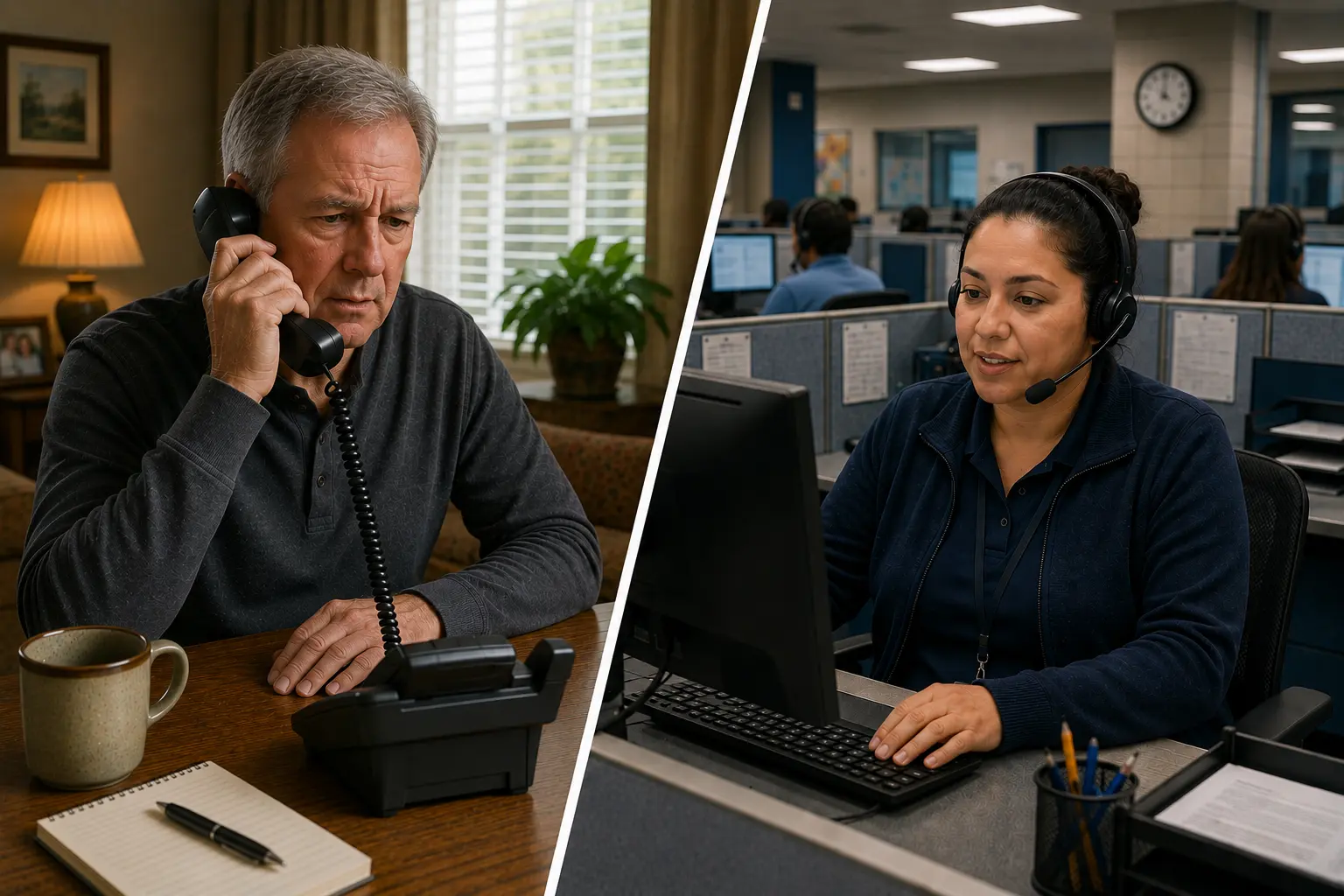
A sewer backup is one of the most stressful problems a Chicago homeowner can face. When wastewater enters a basement, floor drain, laundry area, or lower-level bathroom, it is natural to wonder whether the City of Chicago should be notified, whether 311 will send someone, and whether the problem is private or city-related.
The most important thing to understand is that filing a Chicago 311 sewer backup complaint can create a city record and may trigger review when public sewer infrastructure could be involved. However, a 311 complaint does not automatically mean the city will repair the problem, pay for damage, or determine that the issue is the city’s responsibility. Many sewer backups are caused by private sewer lateral problems that remain the homeowner’s responsibility.
Key Takeaways
- Chicago 311 can be used to report sewer backups, street flooding, blocked drains, sewer odors, and possible public sewer issues.
- A 311 complaint creates a record but does not guarantee city repair or payment.
- Homeowners may still need a private sewer inspection to determine whether the problem is in the private line.
- Multiple homes backing up at the same time may suggest a public sewer issue, but documentation is still important.
- Repeated backups should be tracked with dates, photos, weather conditions, invoices, and camera findings.
- Insurance coverage depends on the policy, endorsements, exclusions, and cause of loss.
- Permits and inspections may be required if repair or replacement work follows the complaint.
What Happens When You File a 311 Sewer Backup Complaint?
When you file a Chicago 311 sewer backup complaint, the city may create a service request and route the issue for review based on the type of complaint. The city may investigate possible public sewer, drainage, or infrastructure concerns, but homeowners often still need a licensed sewer contractor to inspect the private sewer line and document the cause of the backup.
A 311 complaint is useful because it creates a dated record of the problem. That record may matter if the issue repeats, affects multiple properties, involves street flooding, or later requires city review.
However, 311 should not be treated as a substitute for emergency cleanup, private sewer diagnosis, insurance notification, or repair planning. A basement backup can cause damage quickly, and homeowners may need to act before responsibility is fully determined.
For broader context on Chicago sewer rules, permits, inspections, and city-related sewer issues, see Chicago Permits, Codes & Local Rules.
When Should Homeowners Call 311 for a Sewer Backup?
Calling 311 can be helpful when there is reason to believe a sewer backup may involve public infrastructure or a broader drainage problem.
Consider contacting 311 when:
- Sewage is backing up into the home.
- Several nearby homes are experiencing backups at the same time.
- Street flooding or alley flooding is present.
- Catch basins appear blocked or are not draining.
- Sewer odors are coming from public areas.
- The backup occurs repeatedly during heavy rain.
- A contractor suspects a problem near the public sewer main.
- A sewer defect may be located under the public way.
If the backup appears isolated to one home, 311 may still create a record, but the homeowner should also consider private line inspection. Many isolated backups are caused by clogs, roots, broken pipe, collapsed private laterals, or other homeowner-responsibility issues.
For more detail on city-related sewer concerns, review Common Chicago Water Department Sewer Issues.
What Information Should You Provide in a 311 Complaint?
The more specific the complaint, the more useful the record may be later. Homeowners should describe what happened, when it happened, where it happened, and whether there are signs of a public issue.
| Information to Provide | Why It Matters |
|---|---|
| Property address | Connects the complaint to the affected location. |
| Date and time of backup | Helps establish a timeline, especially during storms. |
| Location inside the home | Identifies whether water came from floor drains, toilets, tubs, or other fixtures. |
| Weather conditions | Heavy rain may suggest capacity, backflow, or storm-related drainage issues. |
| Nearby affected properties | Multiple homes may indicate a broader sewer issue. |
| Street or alley flooding | May point toward public drainage concerns. |
| Photos or documentation | Supports insurance, repair, and future complaint records. |
| Contractor findings | Camera or locating results may help identify private versus public issues. |
After filing, homeowners should keep the service request number with their repair records, insurance documents, and contractor invoices.
What 311 Can and Cannot Do
Chicago 311 is useful, but homeowners should have realistic expectations. A service request is not the same as a repair approval, insurance claim, or determination that the city is legally responsible.
What 311 Can Help With
- Create an official record of the complaint
- Route certain sewer or drainage issues for city review
- Document public drainage concerns
- Help identify recurring complaints in an area
- Support follow-up if multiple properties are affected
What 311 Usually Cannot Do by Itself
- Guarantee immediate repair
- Prove the city caused the backup
- Clear a private sewer lateral
- Replace a private sewer line
- Approve an insurance claim
- Determine every responsibility issue without investigation
Because of these limits, homeowners should often pursue two tracks at the same time: report possible city-related issues through 311 and investigate the private sewer line when the cause is unclear.
Private Sewer Backup vs. Public Sewer Problem
A backup inside the home does not automatically reveal the cause. The same symptom can come from a private clog, private pipe failure, public sewer main problem, heavy rain, or inadequate backflow protection.
The distinction matters because it affects who pays and what steps come next.
| Possible Cause | Typical Responsibility Question |
|---|---|
| Clog inside private sewer lateral | Often homeowner responsibility. |
| Roots in private sewer line | Often homeowner responsibility unless a special public-way issue applies. |
| Collapsed private pipe | Usually homeowner responsibility if located on private property. |
| Public sewer main blockage | Generally city-related if confirmed. |
| Heavy rain surcharge | May involve public system capacity, private backflow protection, or both. |
| Broken private drain under public way | May require review under Chicago-specific processes. |
For a clearer explanation of responsibility, see Who Is Responsible for Sewer Lines in Chicago? and City Sewer Main vs Private Sewer Line: Who Pays?.
When You Still Need a Private Sewer Contractor
Even after filing a 311 complaint, homeowners may need to hire a qualified sewer contractor. A contractor can inspect the private line, identify defects, clear blockages, and document whether the issue appears to be on private property or near public infrastructure.
Common contractor steps include:
- Rodding or clearing the line
- Camera inspection
- Line locating
- Distance measurement to the defect
- Written repair recommendation
- Documentation for insurance or city review
If the contractor finds a defect near the sidewalk, street, alley, or public sewer connection, homeowners should ask whether additional city review is needed before excavation begins.
For contractor qualification concerns, see Licensed Plumber Requirements for Sewer Work in Chicago.
How Chicago’s Private Drain Program May Fit In
Some homeowners file 311 complaints after being told the problem may be under the public way. In those cases, Chicago’s Private Drain Program may become relevant.
The program may apply to certain qualifying private drain defects located under the public way. It does not cover every sewer backup, every clog, every root problem, or every private sewer repair.
Proper documentation is important. Camera footage, line locating, contractor notes, and city review may all matter when determining whether a defect qualifies.
For a more detailed explanation, see Understanding Chicago’s Private Drain Program.
Chicago-Specific Considerations
Backups During Heavy Rain
Chicago sewer complaints often increase during heavy rain. A backup during a storm may involve public sewer capacity, private line restrictions, poor drainage, or lack of effective backflow protection. The timing is important, but timing alone does not prove responsibility.
Multiple Homes Affected
If several homes on the block experience backups at the same time, homeowners should document that pattern. Multiple affected properties may make public sewer review more relevant.
Street and Alley Flooding
Street or alley flooding can point toward public drainage concerns, blocked catch basins, grading issues, or sewer capacity problems. Homeowners should photograph flooding when it is safe to do so.
Older Private Laterals
Many Chicago homes have older sewer laterals that can crack, settle, separate, or allow root intrusion. Even if a backup happens during bad weather, the private line may still need inspection.
Public-Way Defects
If a contractor identifies a defect under a sidewalk, street, alley, or parkway, the repair may involve public-way permits, inspections, or city review. Related guidance is available in Sewer Repair Near Streets and Alleys in Chicago.
Insurance After a Sewer Backup
Homeowners should review insurance coverage quickly after a sewer backup because cleanup, mitigation, and documentation deadlines may matter.
Coverage varies by policy. A standard homeowners policy may not automatically cover sewer backup damage unless a sewer backup or water backup endorsement applies. Underground pipe repair may require separate service line coverage. Even then, exclusions, limits, deductibles, and cause of loss are important.
Insurance documentation to keep:
- Photos and videos before cleanup
- Cleanup invoices
- Damaged property lists
- 311 service request number
- Contractor inspection notes
- Sewer camera footage
- Rodding or repair invoices
- Weather notes and dates
- Any communication with adjusters
Homeowners should avoid assuming that a 311 complaint alone proves coverage or city responsibility. Insurance decisions are usually based on policy terms and documented cause of loss.
Permits and Inspections After a 311 Complaint
If a sewer backup leads to repair or replacement work, permits and inspections may become necessary. Filing a 311 complaint does not replace permit requirements.
Permits and inspections may be needed when the project involves:
- Excavation
- Partial sewer replacement
- Full sewer replacement
- New cleanout installation
- Work near public property
- Repairs near the city sewer connection
- Public-way restoration
For related guidance, see Chicago Sewer Repair Permits: What Homeowners Need to Know and Sewer Repair Inspection Requirements in Chicago.
Common Mistakes Homeowners Make
Waiting for 311 While Sewage Damage Spreads
A 311 complaint may be important, but homeowners should still address health, safety, cleanup, and mitigation immediately.
Assuming the City Is Responsible for Any Backup
Many backups are caused by private sewer lateral problems. Homeowners should investigate the private line when the cause is unclear.
Not Creating a Record
If the issue may involve public infrastructure, repeated backups, or multiple affected homes, failing to create a 311 record can make future follow-up harder.
Failing to Document Weather and Neighbor Impacts
Rain timing, street flooding, and nearby backups can help explain patterns later.
Approving Major Excavation Without Locating the Defect
Before paying for major sewer work, homeowners should request camera footage and line locating results.
Assuming Insurance Will Automatically Cover the Loss
Coverage depends on policy language, endorsements, exclusions, and the cause of the backup.
Warning Signs That a 311 Complaint Should Be Taken Seriously
Homeowners should document carefully and follow up when:
- Multiple homes on the block have sewer backups.
- The backup happens during or right after heavy rain.
- Street or alley flooding is present.
- Catch basins are blocked or slow to drain.
- Sewage odors appear outside the home or in public areas.
- The same backup returns after repeated rodding.
- A contractor identifies a defect near the public way.
- The issue may involve the city sewer main or public drainage.
These signs do not guarantee city responsibility, but they make documentation and follow-up more important.
Frequently Asked Questions
Should I call 311 for a sewer backup in my basement?
Yes, it can be useful to create a record, especially if the backup may involve public infrastructure, heavy rain, street flooding, or multiple affected homes. You may still need a private sewer contractor to inspect your line.
Will 311 send someone to fix my sewer line?
Not necessarily. 311 may route the complaint for review, but private sewer lateral problems are often the homeowner’s responsibility.
Does filing a 311 complaint prove the city is responsible?
No. A 311 complaint creates a record, but responsibility depends on the cause and location of the problem.
What should I do immediately after a sewer backup?
Prioritize safety, avoid contact with contaminated water, document damage with photos, contact your insurer if appropriate, consider professional cleanup, and arrange sewer diagnosis if the cause is unclear.
Should I hire a sewer contractor even after calling 311?
Often, yes. A contractor can inspect the private line, clear blockages, run a camera, locate defects, and provide documentation that may be useful for city review or insurance.
Can homeowners insurance cover a sewer backup?
It depends on your policy. Sewer backup or water backup coverage may be required for resulting damage, while service line coverage may be needed for underground pipe repair.
What if my neighbor’s basement backed up too?
Document that information and include it in the 311 complaint. Multiple affected properties may suggest a broader sewer issue, though investigation is still needed.
Do I need permits if a sewer repair follows the complaint?
Possibly. Excavation, replacement, major repair, public-way work, or new connections may require permits and inspections.
Conclusion
A Chicago 311 sewer backup complaint is an important tool, but it is not a complete solution by itself. It can create a record, help route possible public sewer concerns, and support follow-up when multiple properties or public drainage issues are involved.
Homeowners should also document the damage, contact insurance when appropriate, investigate the private sewer line, and confirm whether permits or inspections are required for any repair work. The clearest outcomes usually come from combining a 311 record with strong private documentation, careful diagnosis, and a realistic understanding of city versus homeowner responsibility.