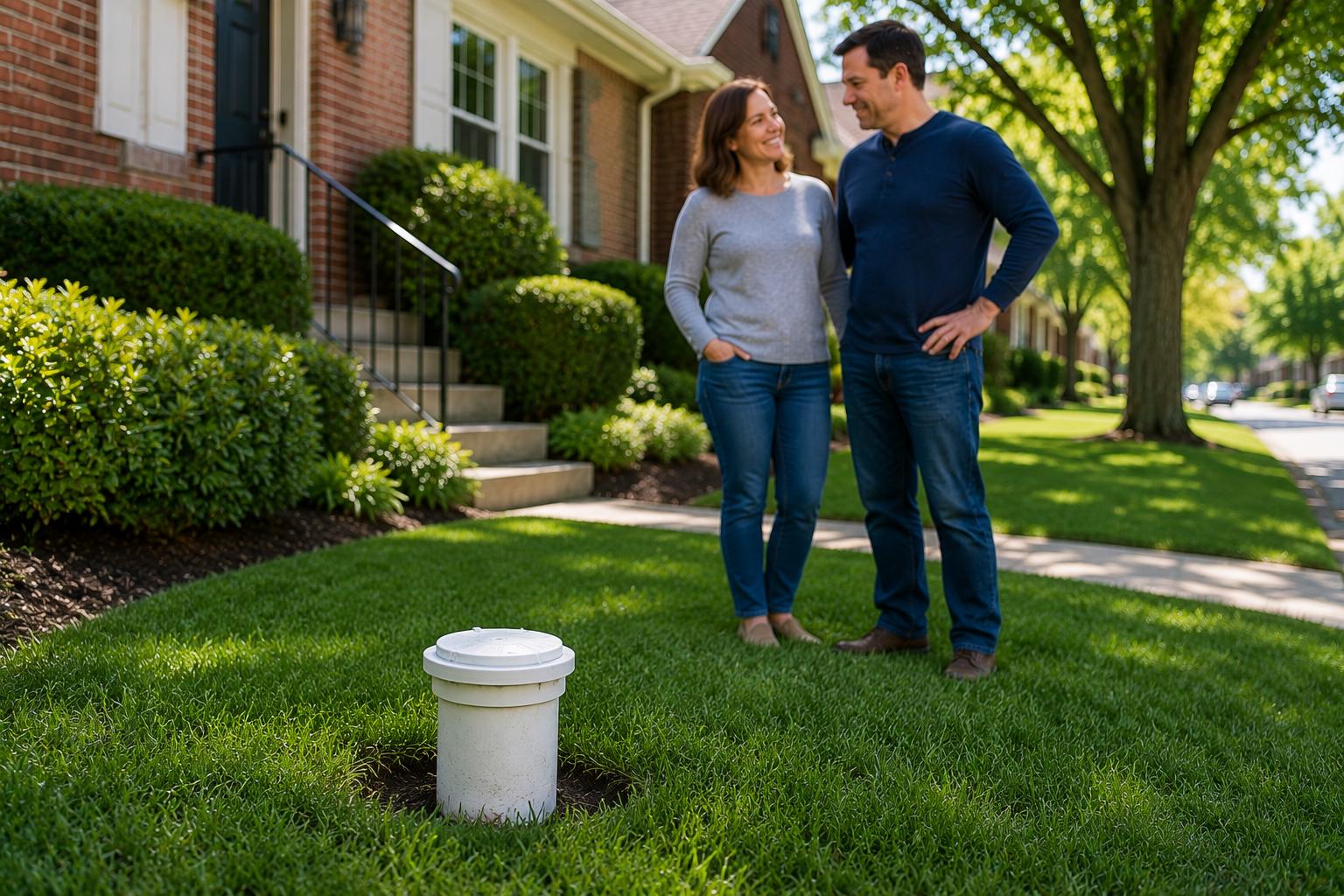
A new sewer line should last for decades, but its actual lifespan depends on the material used, installation quality, soil conditions, tree root pressure, drainage habits, and whether the line is properly inspected and maintained. Homeowners often assume that replacement means they never have to think about the sewer line again. In reality, a new line greatly reduces risk, but it does not eliminate every future concern.
For Chicago homeowners, the question is especially important because many older homes have already dealt with clay pipe deterioration, root intrusion, collapsed sections, backups, or repeated repairs. A properly installed replacement can be a major long-term improvement, but the line’s performance still depends on the conditions around it and the decisions made during and after installation.
This guide explains how long new sewer lines typically last, what affects lifespan, what homeowners should monitor after replacement, and how warranties, inspections, and documentation fit into long-term sewer ownership. For broader post-project guidance, visit the Post-Repair Concerns resource hub.
Key Takeaways
- New sewer lines can last for many decades when properly installed and maintained.
- Pipe material, installation quality, soil movement, tree roots, and homeowner use all affect lifespan.
- A new sewer line does not automatically solve unrelated interior drain or municipal sewer issues.
- Chicago freeze-thaw cycles, older neighborhoods, and dense tree coverage can influence long-term performance.
- Warranties are useful, but warranty length is not the same as expected pipe lifespan.
- Homeowners should keep inspection records, permits, photos, and warranty documents after replacement.
How Long Should a New Sewer Line Last?
A properly installed new sewer line can often last several decades, and some modern materials may last much longer under the right conditions. The expected lifespan depends on the pipe material, installation quality, soil stability, drainage habits, tree root exposure, and whether the line is protected from damage. The warranty period is usually much shorter than the realistic service life of the pipe.
Why Sewer Line Lifespan Varies
There is no single lifespan that applies to every new sewer line. Two homes can receive sewer replacements in the same year and have very different long-term results depending on how the work was performed and what conditions surround the pipe.
Important lifespan factors include:
- Pipe material
- Pipe slope and alignment
- Quality of bedding and backfill
- Soil movement
- Tree root pressure
- Depth of the sewer line
- Nearby construction or utility work
- Household flushing habits
- Grease and debris entering the drain system
- Municipal sewer conditions
Homeowners who recently completed a replacement may want to review What to Expect After Sewer Line Replacement to better understand the transition period after installation.
Common Sewer Pipe Materials and Expected Longevity
Modern sewer replacements may use different materials depending on the property, local code requirements, installation method, and contractor recommendations. Each material has strengths, limitations, and long-term considerations.
| Pipe Material | General Lifespan Expectation | Important Considerations |
|---|---|---|
| PVC | Often expected to last for decades | Resists corrosion and root intrusion when properly joined, but installation quality matters |
| HDPE | Long service life in suitable applications | Flexible and durable, often used in certain trenchless or replacement applications |
| Cast iron | Can last many decades but may corrode over time | More common in older systems and interior drain lines than new exterior replacements |
| Clay | Can last a long time but is vulnerable to cracking and root intrusion | Common in older Chicago-area sewer systems, less ideal where roots and shifting soil are concerns |
| Cured-in-place liner | Can provide long-term rehabilitation when properly installed | Depends on host pipe condition, installation quality, and liner specifications |
The material itself is only part of the equation. A high-quality pipe installed poorly may fail sooner than a standard material installed correctly.
Installation Quality Is Critical
Proper installation is one of the strongest predictors of how long a sewer line will last. Sewer lines depend on gravity flow, which means slope, alignment, bedding, and connections all matter.
Problems that can shorten sewer line life include:
- Improper slope
- Low spots or bellies in the pipe
- Poorly compacted bedding
- Misaligned joints
- Weak or improper connections
- Inadequate support beneath the pipe
- Backfill that allows shifting or settling
A final inspection can help confirm that the installation meets applicable requirements. Learn more in Sewer Replacement Final Inspection: What to Expect.
Important: A new pipe does not automatically mean a problem-free system if the pipe was installed with poor slope, weak support, or defective connections.
Warranty Period vs. Real Sewer Line Lifespan
A sewer line warranty and the expected lifespan of the pipe are not the same thing. A warranty defines what the contractor or manufacturer agrees to cover for a specific period. Lifespan refers to how long the line may reasonably function under normal conditions.
For example, a pipe may be expected to last many decades, while the workmanship warranty may only cover a shorter period. The warranty may also exclude clogs, root damage, soil movement, misuse, municipal sewer backups, or problems outside the replaced section.
For a detailed breakdown, see Sewer Line Replacement Warranties Explained.
What Can Shorten the Life of a New Sewer Line?
Even a new sewer line can be damaged or stressed by conditions around it. Some risks are related to the property, while others come from use patterns inside the home.
Tree Roots
Modern pipe materials and proper joints can reduce root intrusion risk, but roots may still create problems if they reach weak spots, old connected sections, or damaged fittings.
Soil Movement
Expanding, shifting, or settling soil can place pressure on a sewer line. This is especially important after excavation, when disturbed soil continues to stabilize.
Poor Drain Habits
Grease, wipes, hygiene products, paper towels, and other debris can create blockages even in a newer line.
Nearby Construction
Driveway work, landscaping, fence installation, utility work, or heavy equipment traffic can damage underground lines if the pipe location is unknown.
Municipal Sewer Conditions
A private sewer replacement does not control the condition of the public sewer main. Heavy rain, combined sewer surcharging, or municipal blockages can still affect a home.
How Maintenance Affects Sewer Line Longevity
A new sewer line usually requires less attention than an older deteriorated pipe, but basic maintenance still matters. Homeowners should avoid treating replacement as permission to ignore the system entirely.
Good long-term habits include:
- Avoid flushing wipes, paper towels, or hygiene products
- Keep grease, fats, and oils out of drains
- Know where the sewer cleanout is located
- Keep large trees and deep-rooted plantings away from the sewer route when possible
- Save sewer inspection and replacement records
- Address recurring slow drains early
- Use camera inspections when symptoms suggest a problem
If drain symptoms appear after replacement, review Drain Problems After Sewer Replacement: Common Causes.
Chicago-Specific Sewer Line Lifespan Considerations
Older Housing Stock
Many Chicago homes were built with older sewer materials that have already reached or exceeded their practical service life. A new exterior sewer line may solve a major issue, but interior plumbing may still contain older materials.
Freeze-Thaw Cycles
Chicago winters can contribute to soil movement, surface settlement, and stress around recently excavated areas. Proper backfill and stabilization are important for long-term performance.
Clay and Tree Root History
Older clay sewer lines are common in many established neighborhoods and are often associated with root intrusion and joint separation. A new pipe can reduce these problems, but nearby trees should still be considered when planning landscaping.
Combined Sewer System Concerns
In areas affected by combined sewer conditions, a new private sewer line may improve property-side drainage but may not eliminate every backup risk during extreme storms.
Dense Urban Lots
Chicago properties often have tight access, alleys, shared side yards, driveways, sidewalks, and parkways close to the sewer route. Future work in these areas should account for the location of the new line.
Post-Replacement Property Conditions That Matter
The area above and around a replaced sewer line can influence long-term performance. Excavation affects more than the pipe itself. Soil, pavement, landscaping, and drainage may all need time to stabilize.
Related restoration concerns include:
- Yard Repair After Sewer Excavation
- Driveway Repair After Sewer Replacement
- Sidewalk Repair After Sewer Work
- Landscaping After Sewer Line Replacement
Standing water, severe settlement, or improper grading above the sewer route should be addressed because surface conditions can sometimes indicate underground movement.
Signs a New Sewer Line May Need Attention
Most new sewer lines should operate quietly in the background. If symptoms appear after replacement, homeowners should pay attention rather than assume the issue is harmless.
Watch for: recurring backups, sewage odors, slow drains throughout the house, gurgling fixtures, water pooling over the sewer route, or unusual ground settlement.
Potential warning signs include:
- Multiple drains slowing at the same time
- Toilets bubbling or gurgling
- Sewer odors indoors or outdoors
- Recurring clogs shortly after replacement
- Wet or sunken areas along the sewer trench
- New cracks or sinking in hardscape above the sewer route
- Backup symptoms during normal water use
If odors are the main concern, see Why Is There a Sewer Odor After Sewer Repair?.
Does a New Sewer Line Help When Selling a Home?
A recently replaced sewer line can be a positive factor when selling a home because it reduces uncertainty around a major underground system. Buyers may still ask for documentation, warranty terms, inspection reports, and proof that permits were closed properly.
Important resale documents include:
- Replacement contract
- Permit records
- Final inspection approval
- Warranty information
- Pipe material details
- Camera inspection results
- Restoration records
For more guidance, review Selling a House After Sewer Line Replacement.
Documents That Help Protect Long-Term Value
Keeping records is one of the simplest ways to protect the value of a new sewer line. If a future issue arises, documentation helps show what was installed, where it was installed, and what work was approved.
Homeowners should keep:
- Contracts and invoices
- Warranty documents
- Inspection approvals
- Permit records
- Photos of excavation and finished restoration
- Cleanout location information
- Pipe material and installation details
- Any insurance claim records
For a complete checklist, see What Documents Should You Keep After Sewer Replacement?.
Common Mistakes Homeowners Make
- Assuming new means maintenance-free. Good drain habits still matter.
- Confusing warranty length with pipe lifespan. A line may last far longer than its warranty period.
- Ignoring early warning signs. Recurring symptoms should be investigated.
- Planting aggressively near the sewer route. Tree roots can create long-term risk.
- Discarding project records. Documentation matters for warranties, repairs, resale, and insurance.
- Overlooking interior plumbing. New exterior sewer lines do not automatically fix old interior drain problems.
- Failing to monitor settlement. Severe ground movement above the trench should not be ignored.
Frequently Asked Questions
Can a new sewer line last a lifetime?
In some cases, a properly installed new sewer line may last long enough that a homeowner never needs to replace it again. However, lifespan depends on material, installation quality, soil conditions, usage, roots, and outside damage.
Does a sewer line warranty mean the pipe will only last that long?
No. A warranty period is a contractual coverage period, not necessarily the expected service life of the pipe. A sewer line may last much longer than its warranty.
Can tree roots damage a new sewer line?
Tree roots are less likely to enter a properly installed modern sewer line than an older cracked clay pipe, but roots can still create problems near weak connections, older adjoining sections, or damaged areas.
Should I get a camera inspection after a new sewer line is installed?
A final inspection or post-installation camera review may help confirm alignment, slope, and connections. Requirements vary, but documentation can be useful for warranties and resale.
Can a new sewer line still back up during heavy rain in Chicago?
Yes, depending on the cause. A new private sewer line can improve property-side drainage, but backups caused by municipal sewer surcharging or extreme storm conditions may still occur.
Does homeowner’s insurance cover a new sewer line if it fails?
Coverage depends on the policy, endorsements, exclusions, and cause of failure. Sewer warranties and homeowner’s insurance are separate forms of protection.
What is the best way to make a new sewer line last longer?
Use drains properly, avoid flushing non-flushable items, keep grease out of the system, protect the sewer route from deep roots and heavy digging, and investigate recurring symptoms early.
Can problems after replacement be caused by interior plumbing instead?
Yes. Slow drains, odors, or backups can sometimes come from interior drain lines, venting issues, fixture problems, or partial blockages inside the home rather than the new exterior sewer line.
Conclusion
A new sewer line should provide long-term reliability, especially when the right material is installed correctly and the surrounding conditions are managed well. While many new lines can last for decades, lifespan is influenced by more than pipe material alone. Installation quality, soil stability, tree roots, household habits, municipal conditions, and ongoing awareness all play a role.
For Chicago homeowners, replacement is often a major improvement over aging clay or deteriorated sewer lines, but it should still be documented and monitored. Keeping records, understanding warranty limits, watching for warning signs, and maintaining good drain habits can help protect the value and performance of the new sewer line for years to come.