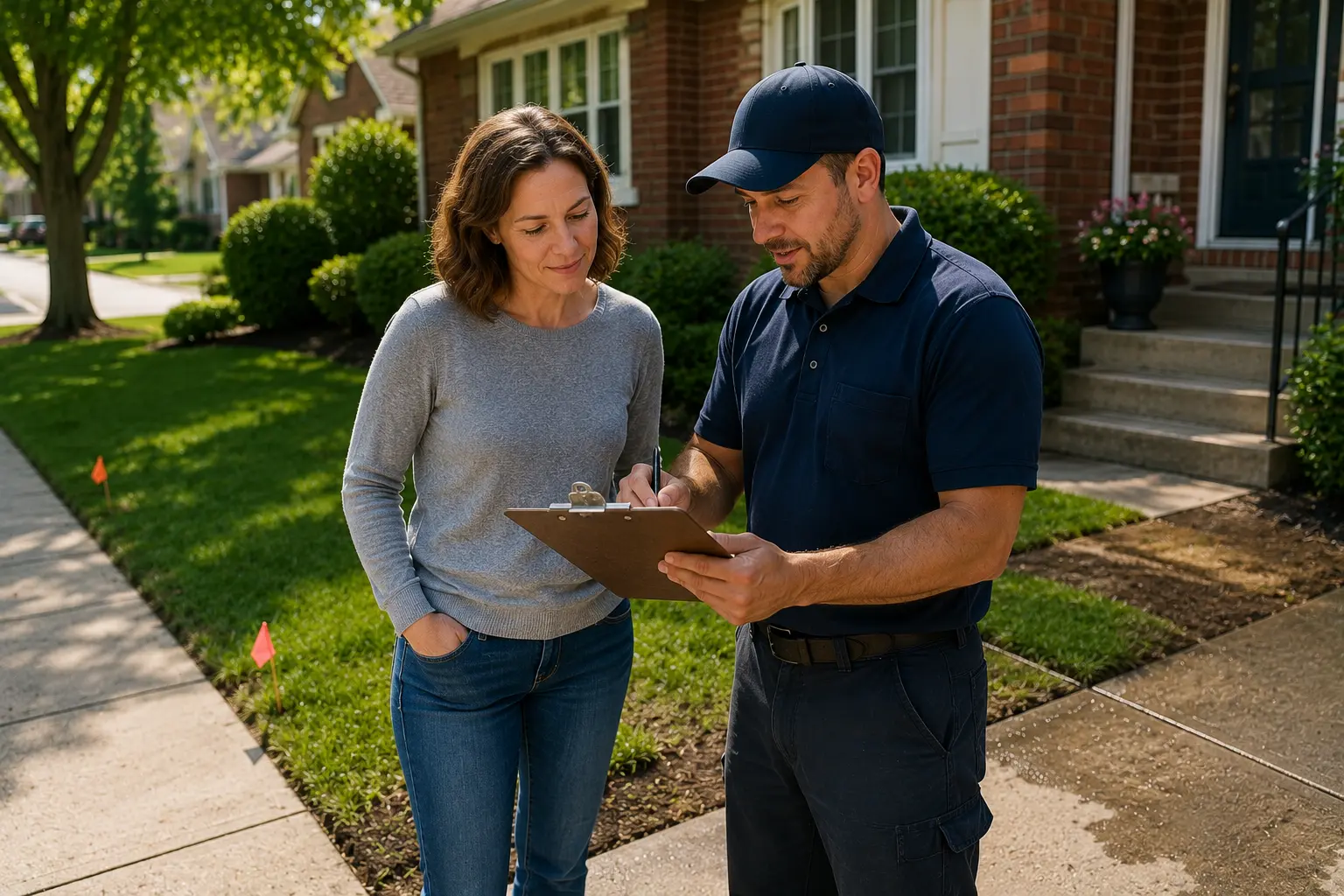
Cleanup after sewer repair is not just about making the property look better. A proper cleanup helps protect the home, reduce odors, remove debris, confirm the work area is safe, and make sure no important post-repair steps are missed. After a sewer excavation or replacement, homeowners may be left with disturbed soil, construction materials, temporary patches, dust, mud, equipment marks, and questions about whether the job is truly finished.
For Chicago homeowners, cleanup can be more complicated because sewer work may affect yards, sidewalks, driveways, parkways, basements, alleys, and public right-of-way areas. Weather can also make cleanup harder, especially after heavy rain, snow, freezing temperatures, or spring thaw conditions.
This checklist explains what to inspect after sewer repair, what cleanup tasks are commonly needed, what warning signs to watch for, and what documents should be saved once the project is complete. For broader guidance on what happens after sewer work, visit the Post-Repair Concerns resource hub.
Key Takeaways
- Sewer repair cleanup should address both sanitation and property restoration.
- Homeowners should inspect the work area before considering the project fully complete.
- Debris, soil piles, temporary patches, odors, and drainage issues should not be ignored.
- Cleanup responsibilities should be clarified in the project agreement whenever possible.
- Chicago weather can delay full restoration of yards, concrete, asphalt, and landscaping.
- Photos, permits, inspection records, invoices, and warranty documents should be saved after cleanup.
What Should Be Cleaned Up After Sewer Repair?
After sewer repair, cleanup should include removal of construction debris, safe handling of any contaminated materials, backfilled and graded excavation areas, basic restoration of affected surfaces, inspection of sidewalks and driveways, checking for odors or drainage problems, and saving all project documentation. The cleanup may happen in stages, especially when weather delays permanent yard, driveway, or sidewalk restoration.
Why Sewer Repair Cleanup Matters
Sewer repair work often involves excavation, cutting pipe, removing damaged materials, exposing soil, and disturbing areas around the home. Even when the new pipe is installed correctly, poor cleanup can create safety issues, odor problems, property damage, or confusion about what work remains unfinished.
A complete cleanup helps homeowners confirm:
- The sewer work area is safe
- Debris and old materials have been removed
- Soil has been backfilled and graded appropriately
- Temporary patches are stable
- Drainage around the home has not been made worse
- No visible signs of sewage contamination remain
- Final inspections and documentation are complete
If the project involved a full replacement, homeowners may also want to review What to Expect After Sewer Line Replacement for a broader view of the post-repair process.
Post-Sewer Repair Cleanup Checklist
Use this checklist to walk through the property after sewer work is finished. Some items may be handled by the sewer contractor, while others may require a restoration contractor, landscaper, concrete contractor, or homeowner follow-up.
| Cleanup Area | What to Check | Why It Matters |
|---|---|---|
| Work area | Debris, loose pipe pieces, tools, flags, barriers, and leftover materials | Reduces safety hazards and confirms the site is cleared |
| Excavation trench | Backfill, grading, settlement, soft spots, or exposed voids | Prevents sinking, water pooling, and future surface damage |
| Yard | Seed, sod, topsoil, erosion, mud, and damaged landscaping | Supports lawn recovery and drainage control |
| Driveway | Temporary patches, cracks, sinking, uneven pavement, or open edges | Protects vehicle access and prevents surface failure |
| Sidewalk | Trip hazards, temporary patches, cracked panels, and unsafe transitions | Protects pedestrian safety and may affect local compliance |
| Basement or interior drains | Odors, backups, slow drains, residue, or moisture | Helps identify unresolved plumbing or sanitation concerns |
| Paperwork | Permits, inspection approvals, warranties, invoices, and photos | Protects warranty, insurance, and resale value |
Exterior Cleanup After Sewer Excavation
Exterior cleanup is often the most visible part of sewer repair recovery. If excavation was required, the property may look rough immediately after the underground work is complete. Some mess is normal, but the area should be safe and stabilized.
Exterior cleanup may include:
- Removing excess soil piles
- Backfilling the trench
- Rough grading the affected area
- Removing broken pipe and construction debris
- Cleaning mud from walkways and driveways
- Securing open holes or soft areas
- Restoring access to doors, garages, sidewalks, and driveways
- Reinstalling or replacing disturbed landscape materials
Yard restoration may continue after the initial cleanup. For more detail, see Yard Repair After Sewer Excavation.
Interior Cleanup After a Sewer Backup or Repair
Some sewer repairs happen after a backup, basement flood, or contaminated drain issue. In those cases, cleanup is more than construction cleanup. It may involve sanitation, odor control, moisture removal, and safe disposal of affected materials.
Interior cleanup may include:
- Removing contaminated water or residue
- Cleaning hard surfaces
- Discarding unsalvageable porous materials
- Drying damp areas
- Checking baseboards, drywall, flooring, and stored belongings
- Improving ventilation
- Monitoring for lingering sewer odors
Important: Sewage-contaminated materials should be handled carefully. If a backup affected living areas, basements, or stored belongings, cleanup may require specialized sanitation beyond basic household cleaning.
If odors continue after the repair and cleanup are complete, review Why Is There a Sewer Odor After Sewer Repair?.
Checking for Debris and Construction Materials
After sewer work, homeowners should inspect the area for leftover materials that could become safety hazards or interfere with restoration.
Look for:
- Broken clay, PVC, cast iron, or concrete pipe pieces
- Loose gravel or stone piles
- Sharp concrete edges
- Exposed stakes or marking flags
- Scrap fittings or couplings
- Plastic sheeting or erosion-control materials left unsecured
- Temporary barriers that are no longer needed
- Trash, packaging, or construction debris
Small items can be easy to miss, especially in grass, soil, snow, or mud. A careful walkthrough helps prevent injuries and keeps debris from being buried during final landscaping.
Inspecting the Yard After Cleanup
Yard cleanup after sewer excavation should leave the property safe, graded, and ready for grass or landscaping recovery. The yard may not look finished right away, but it should not be left with dangerous holes, unstable soil, or severe drainage problems.
Check the yard for:
- Low spots above the trench
- Standing water
- Loose or unstable soil
- Excess mud near entrances
- Damaged plants or shrubs
- Improper slope toward the foundation
- Missing topsoil
- Unprotected bare soil that may erode
Some settling is normal after excavation, but deep depressions or pooling water should be addressed. If landscaping was affected, homeowners may also find Landscaping After Sewer Line Replacement useful.
Driveway, Sidewalk, and Hard Surface Cleanup
Sewer repair often affects hard surfaces, especially when the sewer line runs beneath a driveway, sidewalk, walkway, or apron. Cleanup should make these areas usable and safe, even if permanent restoration is scheduled later.
Hard surface cleanup may include:
- Sweeping concrete dust or asphalt debris
- Removing chunks of broken pavement
- Checking temporary patches for stability
- Confirming safe walking surfaces
- Checking driveway access
- Looking for exposed edges or trip hazards
- Monitoring drainage near repaired surfaces
For more detailed guidance, review Driveway Repair After Sewer Replacement and Sidewalk Repair After Sewer Work.
Chicago-Specific Cleanup Considerations
Weather and Seasonal Delays
Chicago weather can make sewer cleanup more difficult. Rain can turn excavated soil into mud, winter can delay concrete or asphalt restoration, and freeze-thaw cycles can cause newly backfilled areas to settle unevenly.
Public Sidewalks and Parkways
If sewer work affected the sidewalk, parkway, curb area, or public right-of-way, cleanup may need to meet municipal expectations. This may include safe pedestrian access, proper surface restoration, and permit closeout.
Basement Backups
Many Chicago homes have basements, and sewer problems can create contaminated cleanup needs below grade. Basement cleanup should be handled carefully because moisture, odor, and contamination can linger after the plumbing issue is fixed.
Dense Lots and Shared Boundaries
In tightly spaced neighborhoods, sewer work may affect shared walkways, fences, neighbor access, alleys, or limited side yards. Cleanup should include checking any area disturbed by equipment or excavation.
Final Inspection and Cleanup Closeout
Cleanup should be considered part of the closeout process, not an afterthought. Before a project is fully complete, homeowners should confirm whether inspections, permits, and restoration requirements have been satisfied.
Closeout questions to ask include:
- Has the sewer repair passed final inspection?
- Were any public areas affected?
- Is the current surface repair temporary or permanent?
- Will another crew return for concrete, asphalt, or landscaping?
- Are there open permits or unresolved restoration items?
- Has all debris been removed?
- Are warranties and documents available?
For more on inspection expectations, see Sewer Replacement Final Inspection: What to Expect.
Cleanup Responsibilities: What Homeowners Should Clarify
Cleanup responsibility depends on the contract and project scope. Some sewer repair agreements include basic cleanup and backfill but not full lawn, concrete, or landscaping restoration. Others may include more complete restoration.
Homeowners should clarify:
- Who removes old pipe and construction debris
- Who handles contaminated materials if a backup occurred
- Whether yard grading is included
- Whether grass seed or sod is included
- Whether driveway or sidewalk patching is temporary or permanent
- Whether landscaping replacement is included
- Who handles inspection-related corrections
- What cleanup work is covered by warranty
If cleanup issues connect to warranty questions, review Sewer Line Replacement Warranties Explained.
Insurance and Sewer Cleanup
Insurance may or may not apply to sewer cleanup depending on the policy, cause of the damage, and any sewer backup or service line endorsements. Cleanup after a sewage backup may be treated differently than cleanup after planned excavation.
Homeowners should document:
- Where the damage occurred
- Whether sewage entered the home
- Photos of affected areas before cleanup
- Cleanup invoices
- Repair estimates
- Communication with contractors or insurers
- Any damaged belongings or building materials
Practical tip: If insurance might be involved, take photos before moving or discarding damaged materials whenever it is safe to do so.
Documents to Save After Cleanup
Once cleanup is complete, homeowners should organize the project records. These documents can help with warranties, future repairs, resale, and insurance questions.
Important records include:
- Signed contract
- Final invoice
- Permit records
- Inspection approvals
- Warranty documents
- Before-and-after photos
- Cleanup invoices
- Concrete, asphalt, or landscaping repair records
- Insurance claim documents, if applicable
- Camera inspection reports
For a complete documentation checklist, see What Documents Should You Keep After Sewer Replacement?.
Warning Signs After Sewer Repair Cleanup
After cleanup, homeowners should continue monitoring the property. Some concerns may not appear until after rain, after the first freeze-thaw cycle, or after normal household water use resumes.
Watch for:
- Persistent sewer odors
- Slow drains or recurring backups
- Standing water above the sewer trench
- Large soil depressions
- Soft or sinking driveway patches
- Uneven sidewalk sections
- Moisture returning in the basement
- Debris washing out after rain
- New cracking in restored surfaces
If plumbing symptoms appear after cleanup, review Drain Problems After Sewer Replacement: Common Causes.
Common Cleanup Mistakes Homeowners Make
- Assuming cleanup means full restoration. Basic debris removal is not the same as finished landscaping or permanent concrete repair.
- Not asking whether patches are temporary. Temporary asphalt, gravel, or concrete may need later replacement.
- Ignoring odors. Lingering sewer smells may indicate contamination, venting issues, or unresolved plumbing concerns.
- Throwing away documents. Project paperwork can be important years later.
- Failing to inspect after rain. Drainage problems often show up during wet weather.
- Driving or walking on new surfaces too soon. Fresh concrete, asphalt, or unstable fill may need time before use.
- Overlooking public areas. Sidewalks, parkways, and alleys may require safe cleanup and proper restoration.
Frequently Asked Questions
What should a sewer contractor clean up after repair?
Cleanup responsibilities depend on the contract. At minimum, homeowners should expect the work area to be made safe, obvious debris removed, and excavation areas backfilled. Full landscaping, driveway, sidewalk, or interior sanitation may or may not be included.
Is it normal for the yard to look unfinished after sewer repair?
Yes, especially after excavation. The yard may need time for grading, settlement, seeding, sod, or landscaping recovery. The key is whether the area is safe, stable, and properly draining.
How do I know if sewer cleanup was done properly?
Look for safe access, no exposed hazards, no obvious debris, stable backfill, proper grading, no lingering sewage residue, and completed documentation. If inspections were required, confirm whether they passed.
Can sewer odors remain after cleanup?
Temporary odors may occur, but persistent sewer smells should be investigated. Causes may include contamination, dry traps, venting issues, incomplete cleanup, or unresolved plumbing problems.
Does homeowner’s insurance cover sewer cleanup?
Coverage depends on the policy and cause of damage. Sewer backup endorsements or service line coverage may apply in some cases, but planned excavation cleanup may be treated differently.
Should I take photos after sewer repair cleanup?
Yes. Photos can help document property condition, restoration work, potential warranty issues, insurance claims, and future resale disclosures.
What if cleanup is incomplete?
Review the contract to determine what cleanup was included, document the unfinished items, and request clarification in writing. Some restoration tasks may be scheduled separately from the sewer repair itself.
When should I be concerned after cleanup?
Concern is warranted if there are sewer odors, recurring backups, large sinkholes, unsafe sidewalk patches, sinking driveway repairs, standing water, or signs that contaminated materials were not properly addressed.
Conclusion
Sewer repair cleanup is an important part of protecting the home after major plumbing work. A clean site should be safe, stable, free of obvious debris, and ready for any remaining restoration steps. Homeowners should not assume that basic cleanup automatically includes full yard, driveway, sidewalk, landscaping, or interior sanitation work.
For Chicago homeowners, cleanup should also account for weather, public walkways, basements, drainage, and inspection requirements. By using a practical checklist, documenting the work, and watching for warning signs, homeowners can reduce the chance of overlooked problems after sewer repair is complete.