Sewer Problems & Warning Signs

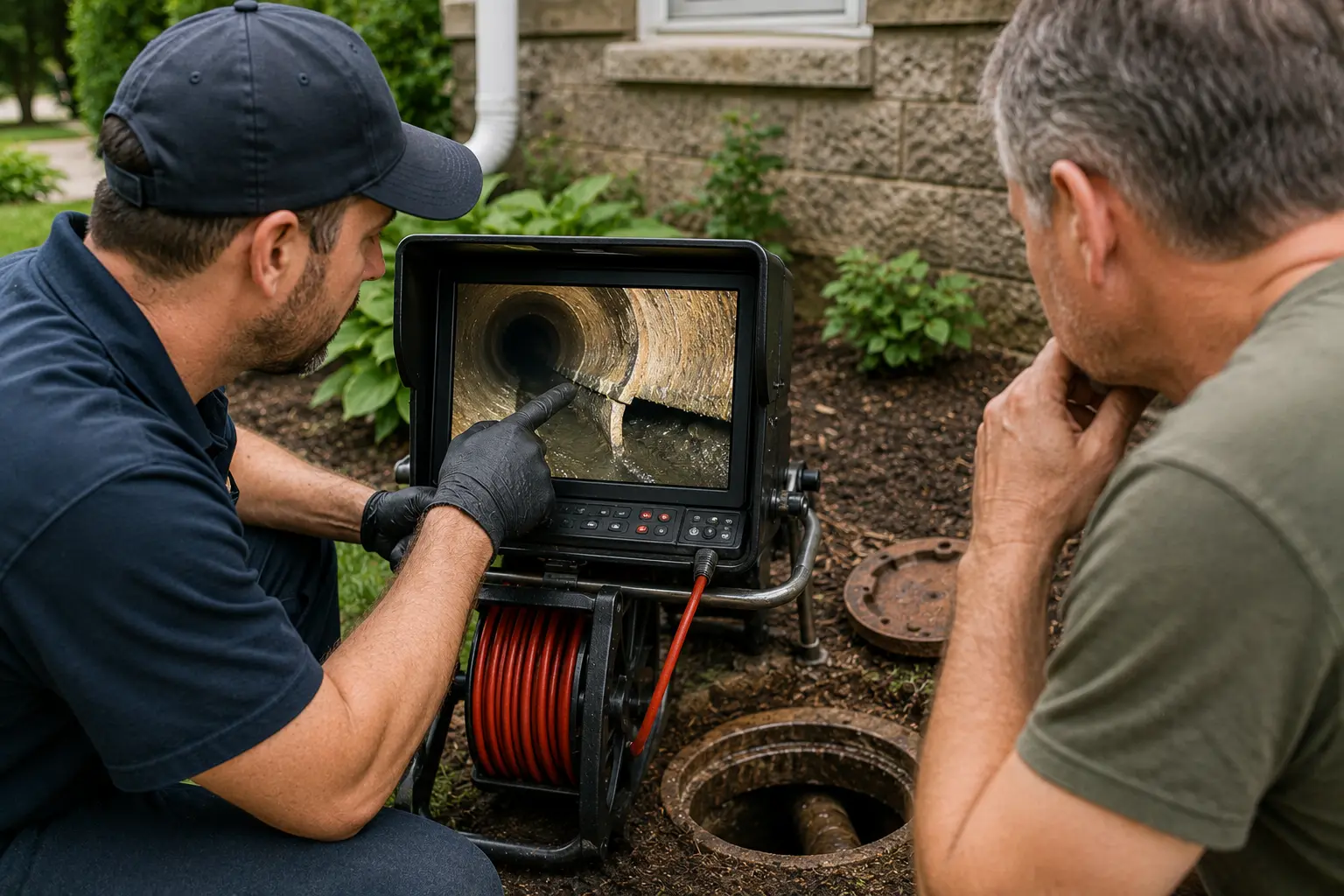
Sewer inspection technician reviewing camera footage with a homeowner beside a residential cleanout, identifying an offset sewer pipe joint discovered during a sewer line inspection.

Offset Sewer Pipe Joints Explained

An offset sewer pipe joint is a place where two sections of sewer pipe no longer line up correctly. Instead of forming a smooth path for wastewater, one pipe section has shifted higher, lower, or sideways from the next section. That misalignment can catch waste, slow drainage, allow tree roots into the line, and contribute […]
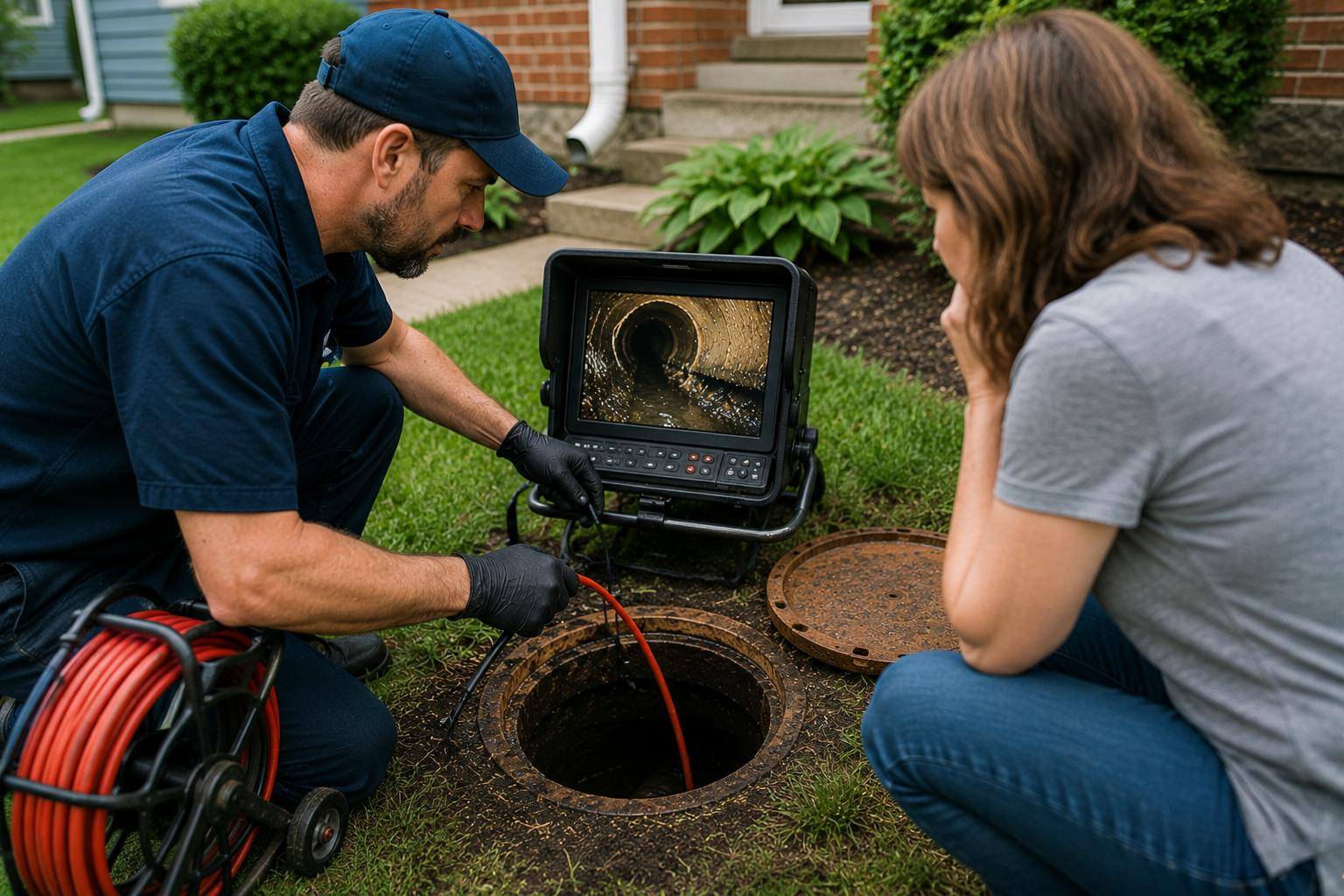
Sewer inspection technician using a camera system at a residential cleanout while reviewing pipe conditions with a homeowner, investigating the cause of recurring sewer line clogs in a Chicago home.

Why Do Sewer Lines Keep Clogging?

Sewer lines usually keep clogging because something inside the pipe is repeatedly catching waste, restricting flow, or preventing the line from draining properly. Common causes include tree roots, grease buildup, wipes, offset pipe joints, cracked clay pipe, a sewer line belly, partial collapse, poor slope, debris buildup, or an older sewer lateral that has structural

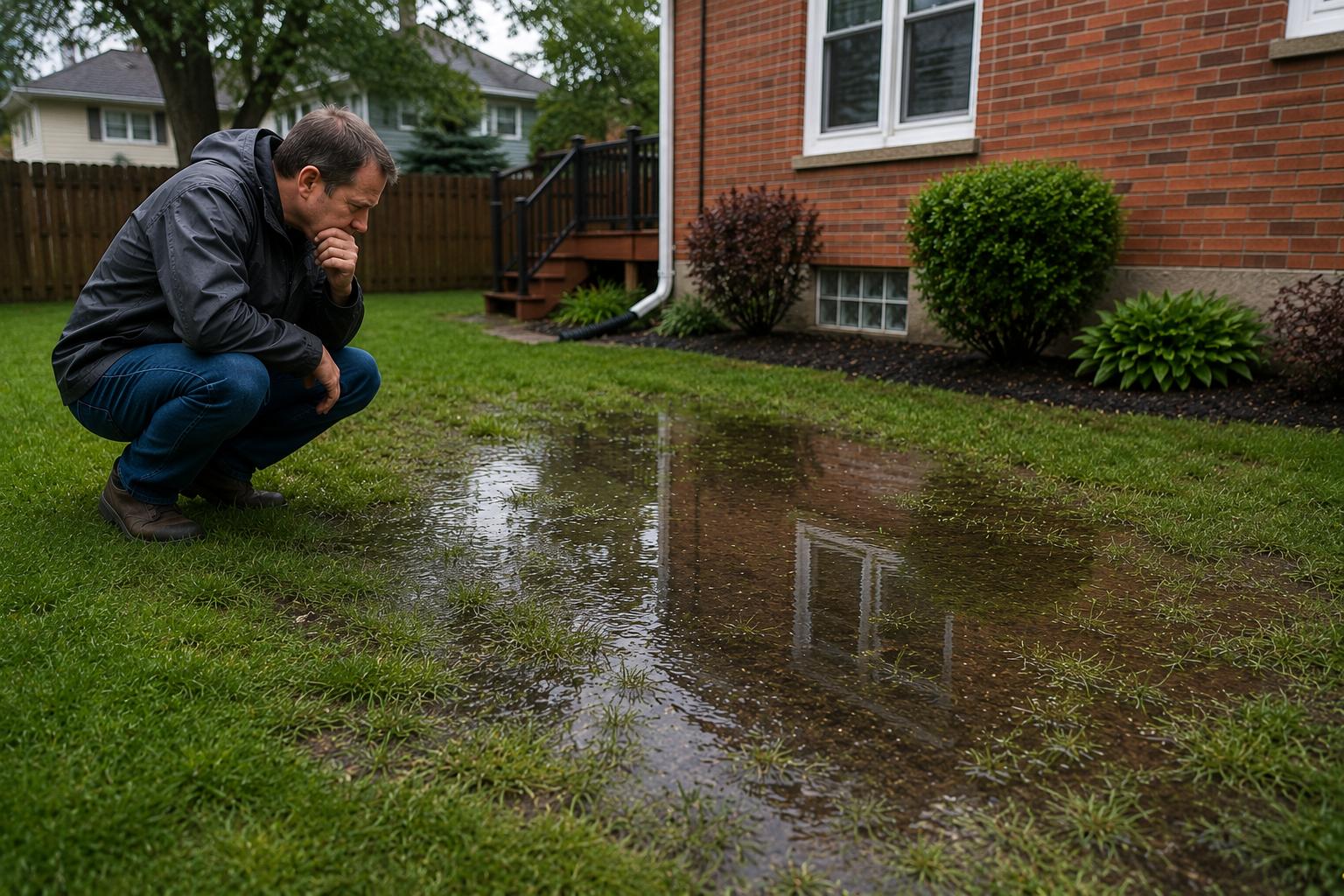
Chicago homeowner investigating standing water and saturated grass in a backyard after rainfall, a potential warning sign of an underground sewer line leak or drainage problem.

Water Pooling in the Yard: Could It Be a Sewer Problem?

Water pooling in the yard can be caused by ordinary drainage problems, heavy rain, poor grading, downspouts, compacted soil, or irrigation issues. But it can also be a warning sign of a sewer problem when the pooling appears near the sewer line route, smells like sewage, keeps returning during normal household water use, creates soft

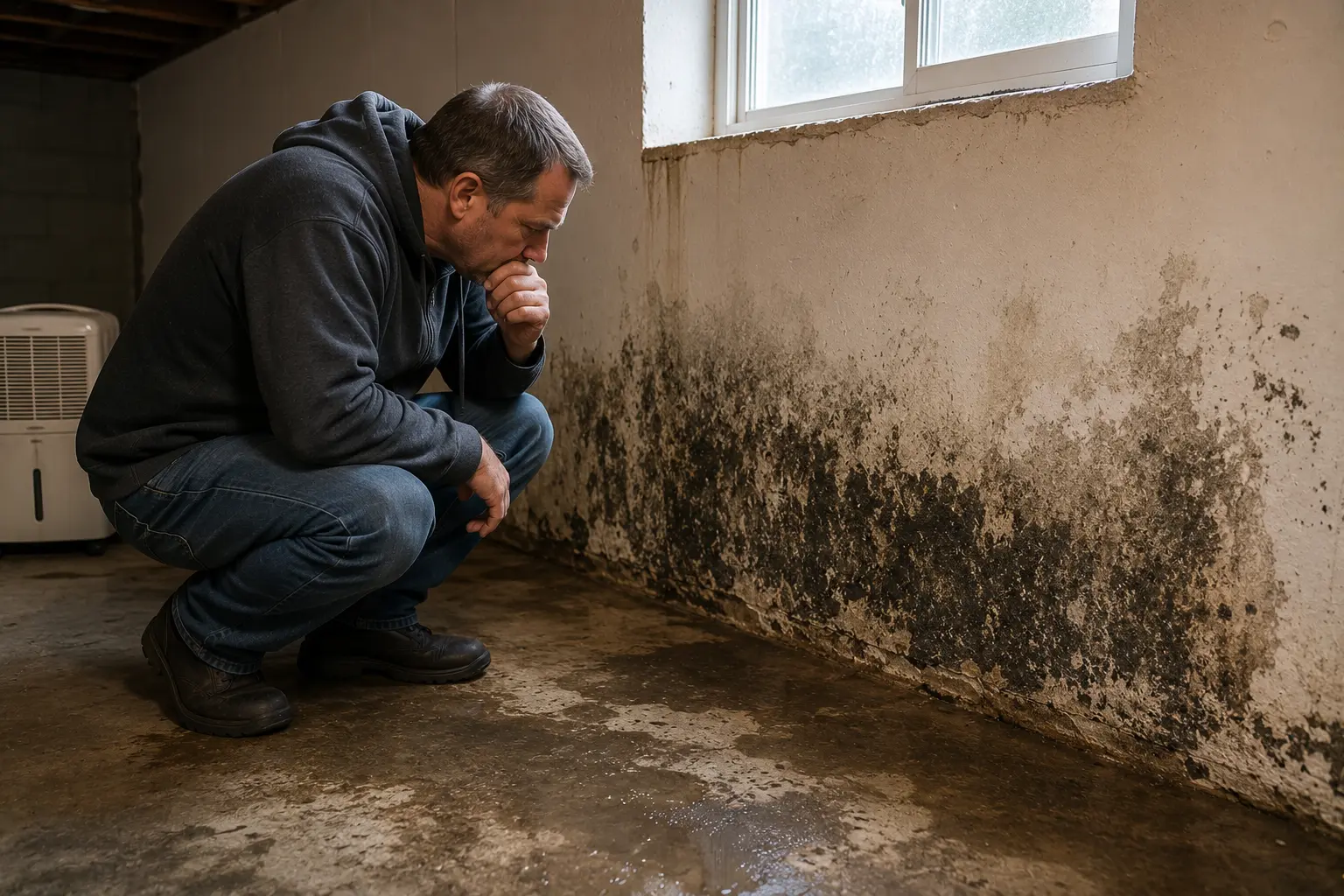
Chicago homeowner inspecting mold growth and water damage along a basement wall after a sewer backup, highlighting potential health risks and moisture problems that can develop after flooding.

Mold After a Sewer Backup: What Homeowners Should Know

Mold after a sewer backup is a serious concern because sewage water can soak into flooring, drywall, baseboards, insulation, cabinets, stored belongings, and hidden gaps in a basement or lower-level room. Mold risk increases when contaminated materials stay damp, cleanup is incomplete, or the underlying sewer problem is not fixed and backups continue. For Chicago

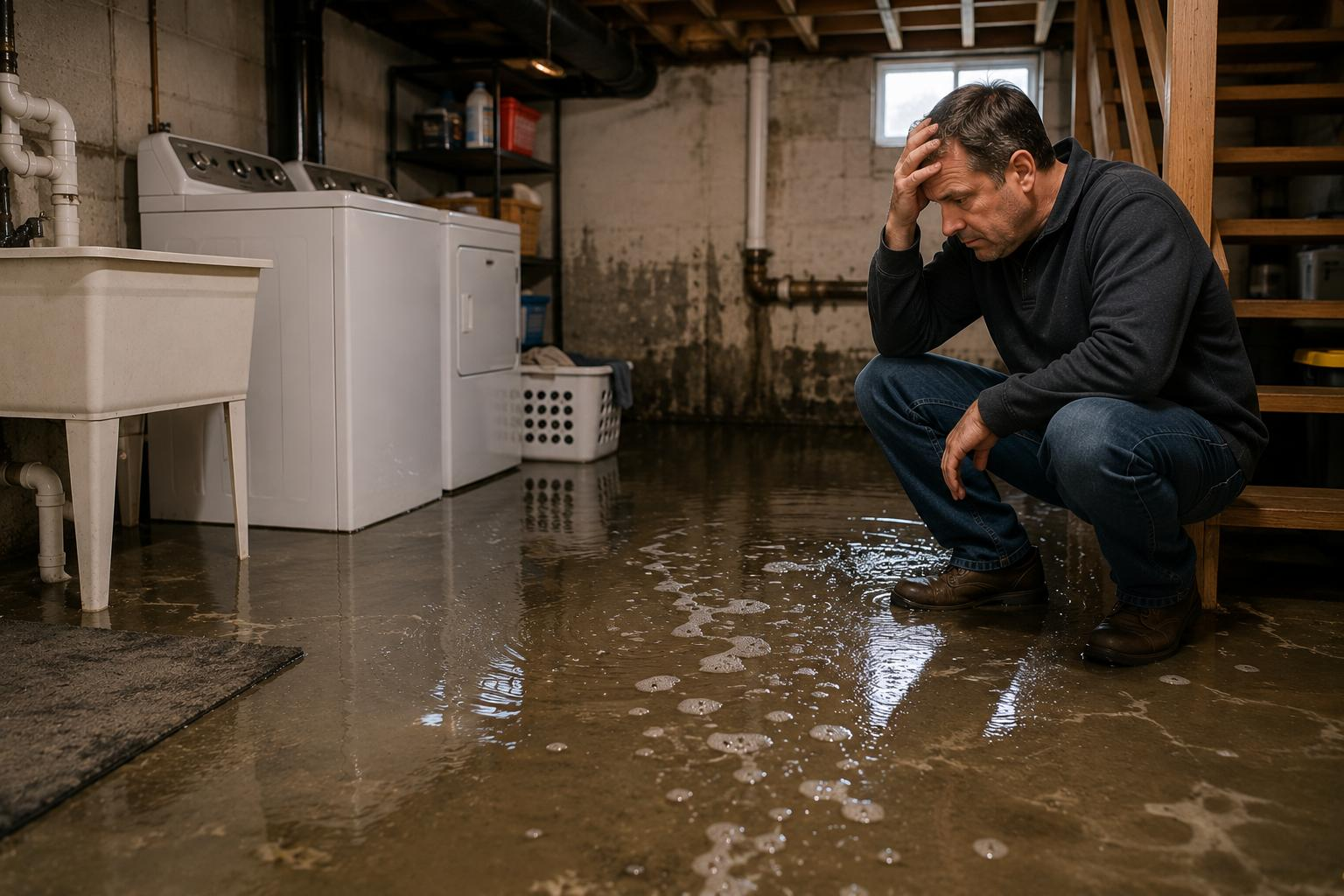
Chicago homeowner standing in a flooded basement with water spreading across the floor near laundry equipment, illustrating a sewer problem that requires immediate emergency attention.

When Does a Sewer Problem Become an Emergency?

A sewer problem becomes an emergency when wastewater is actively backing up into the home, multiple drains stop working, sewage is entering a basement or lower-level bathroom, strong sewer odors appear with drainage failure, or the home cannot safely use plumbing. It can also become urgent when there are signs of a collapsed sewer line,

Scroll to Top