Sewer Problems & Warning Signs

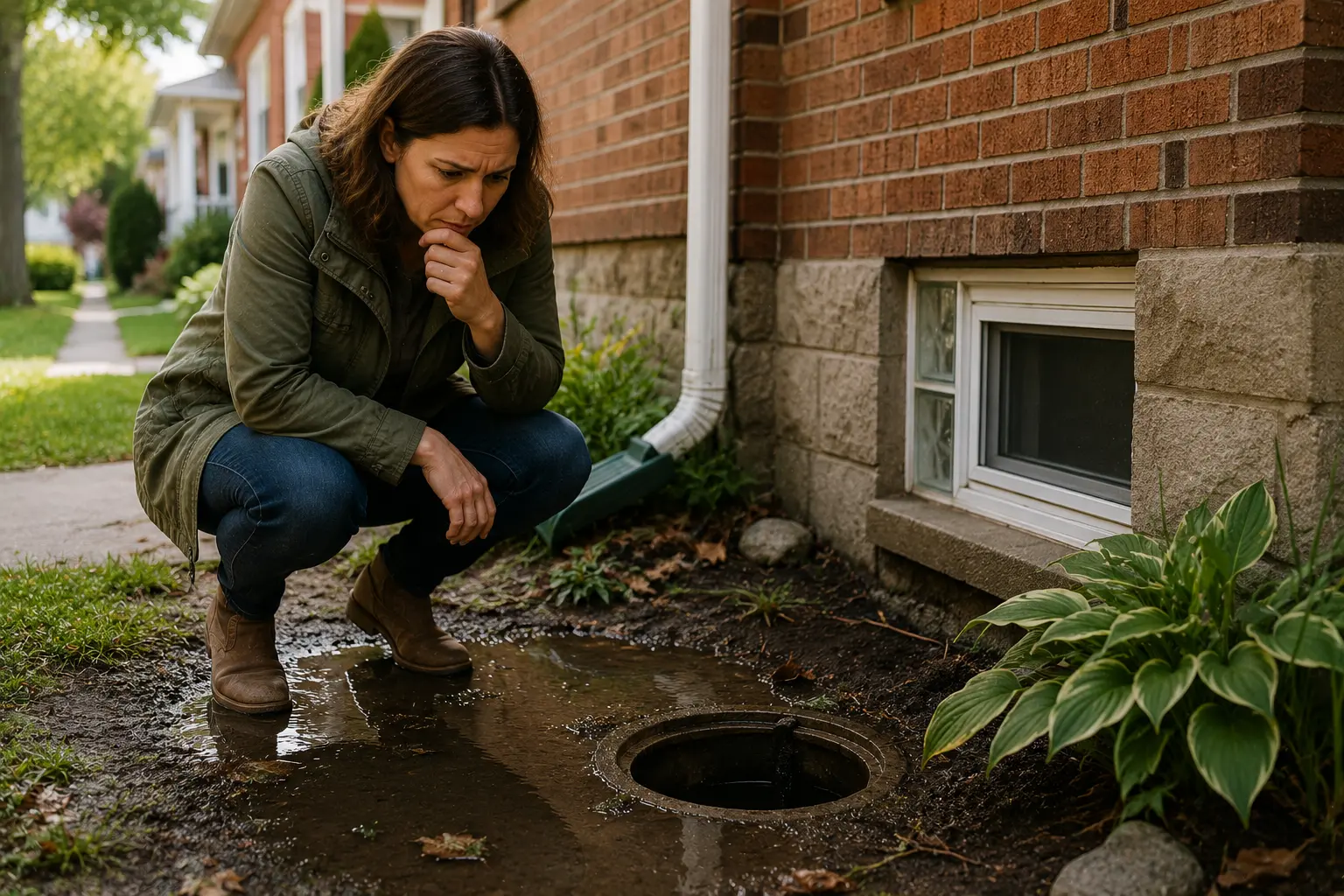
Chicago homeowner investigating standing water and drainage issues near a basement window and sewer access point beside a brick home, a potential sign of sewer line failure.

Signs Your Sewer Line May Need Replacement

A sewer line may need replacement when problems become frequent, widespread, or structural. Common warning signs include repeated sewer backups, slow drains throughout the house, sewage odors, gurgling toilets, recurring tree root intrusion, water pooling in the yard, and camera inspection findings that show a collapsed, cracked, bellied, or badly offset sewer pipe. One clog […]
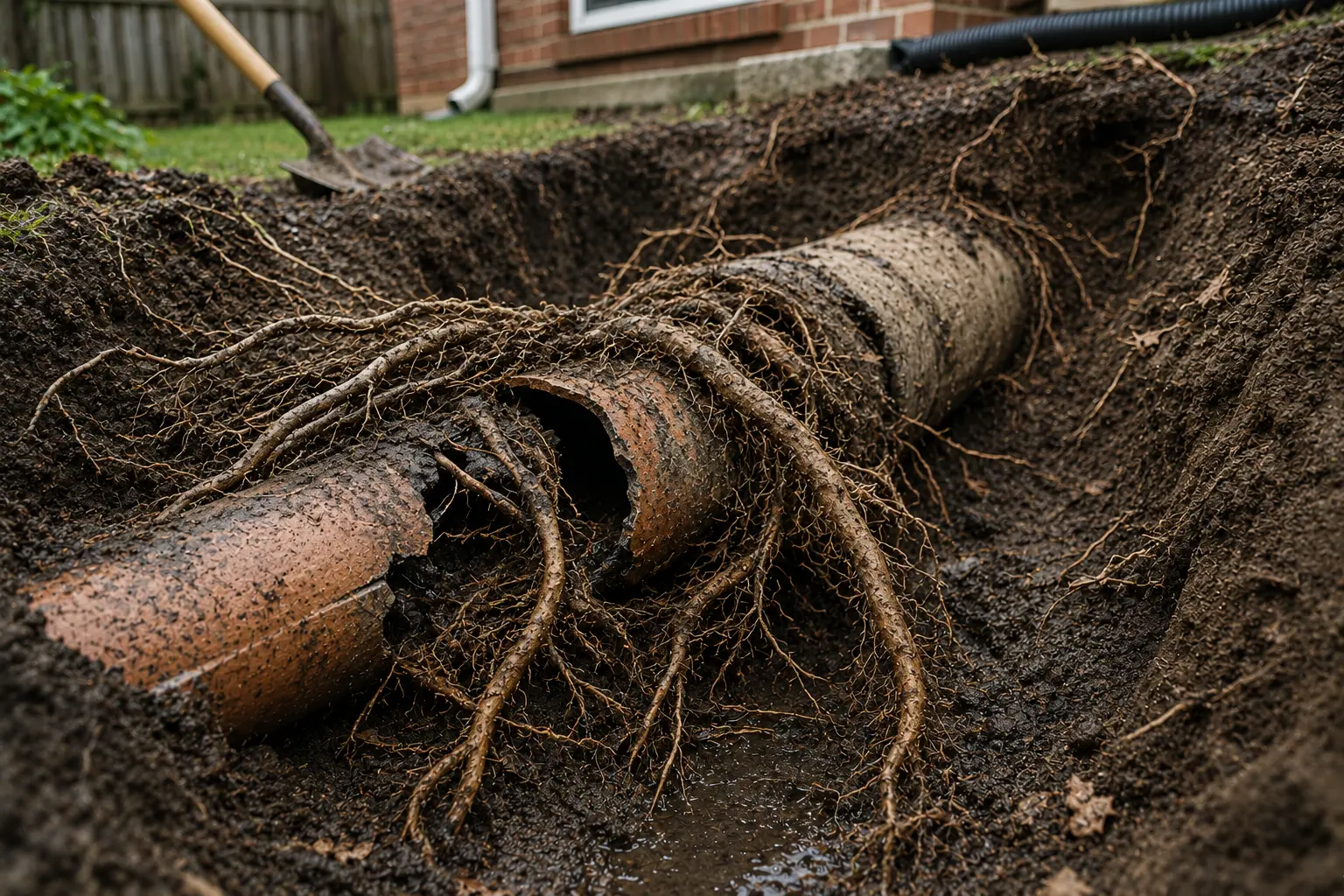
Exposed broken clay sewer pipe surrounded by invasive tree roots in a residential yard, showing a common cause of sewer line failure in older Chicago homes.

Common Signs of a Broken Sewer Line

A broken sewer line can show up as repeated backups, sewage odors, slow drains throughout the house, gurgling toilets, wet or sunken yard areas, recurring clogs, or visible evidence from a sewer camera inspection. The warning signs are usually more serious when they affect multiple fixtures, keep coming back after cleaning, or appear alongside basement

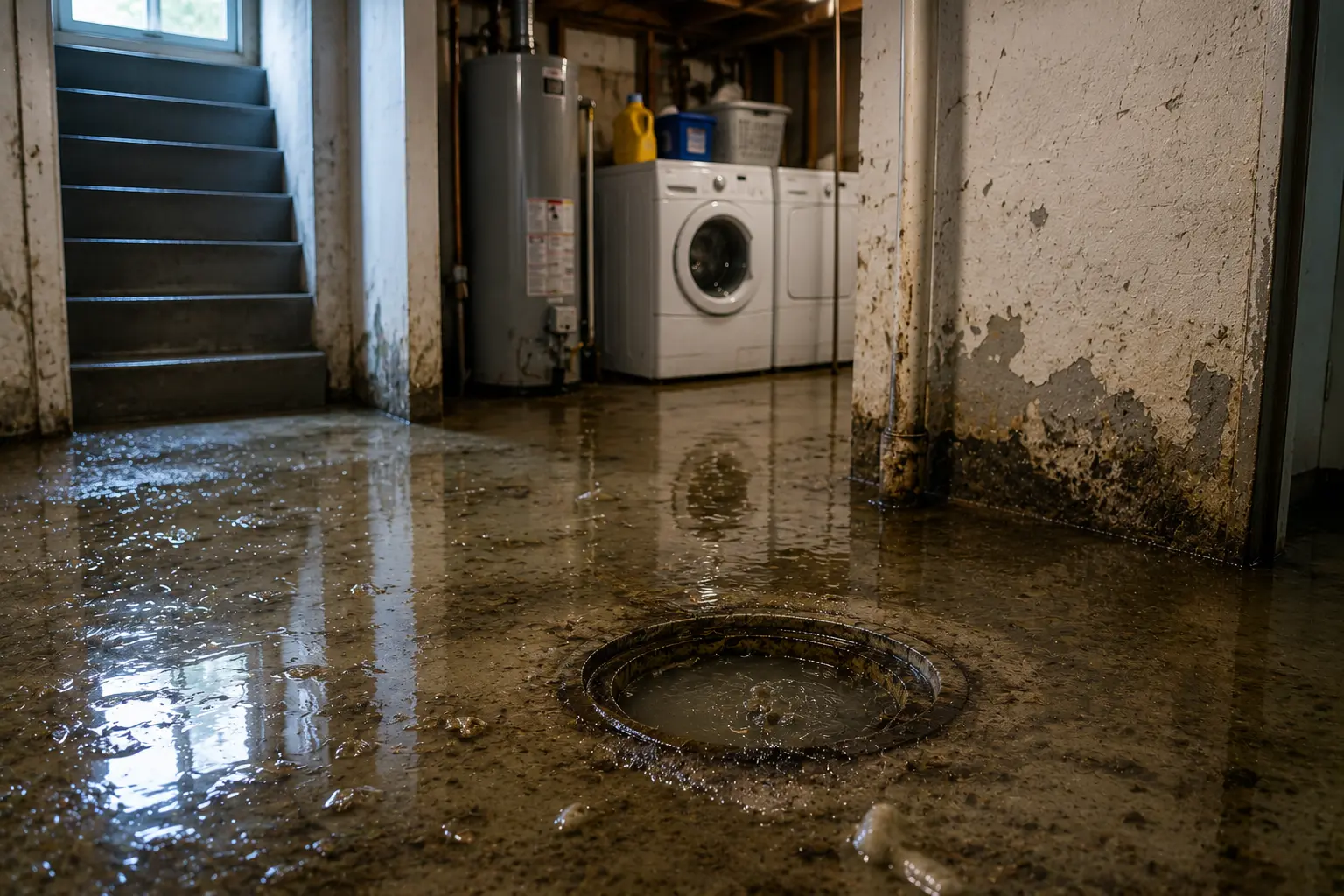
Flooded basement with standing water emerging from a floor drain near laundry equipment, illustrating a common warning sign of a residential sewer backup in a Chicago home.

Sewer Backup in Basement: Causes and Warning Signs

A sewer backup in the basement usually means wastewater is not moving away from the home properly. The cause may be a main sewer line clog, tree roots, a collapsed or damaged pipe, a sewer line belly, heavy rainfall overwhelming the system, a blocked floor drain, or a problem with a backwater valve or sump-related

Chicago homeowner noticing a sewage odor near a basement bathroom, a common warning sign of sewer gas entering the home through a plumbing or sewer system issue.

Why Your House Smells Like Sewage

A house that smells like sewage usually has sewer gas escaping from somewhere it should not. Common causes include a dry drain trap, damaged toilet seal, clogged or blocked vent, floor drain problem, sewer backup, cracked sewer pipe, main line restriction, or contamination left behind after wastewater entered the home. Not every sewage smell means

Multiple slow-draining plumbing fixtures in a Chicago home, including a kitchen sink, bathroom sink, and toilet, indicating a potential main sewer line blockage or developing sewer problem.

What Slow Drains Throughout the House Can Mean

Slow drains throughout the house usually mean there is a restriction somewhere beyond one individual sink, tub, or toilet. When several fixtures drain slowly at the same time, the issue may involve the main drain line, the sewer lateral, a venting problem, tree roots, a sewer line belly, pipe damage, or a partial blockage that

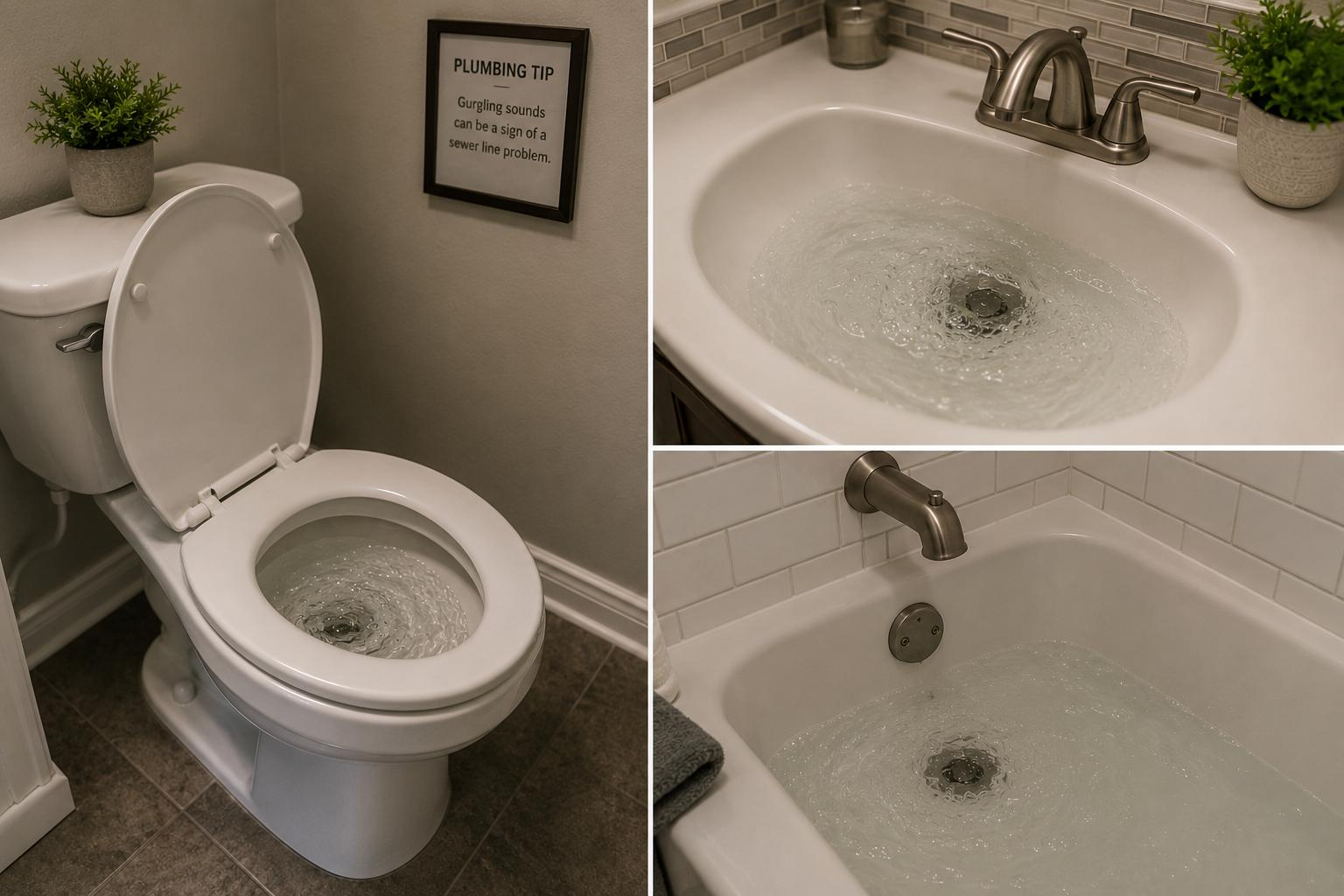
Toilet, sink, and bathtub drains showing unusual bubbling and water movement, common signs of a sewer line blockage, venting problem, or developing drainage issue in a Chicago home.

What Causes Gurgling Toilets and Drains?

Gurgling toilets and drains usually happen when air is trapped, displaced, or pulled through the plumbing system because wastewater is not flowing normally. Common causes include a partial main sewer clog, blocked vent, tree roots in the sewer line, a sewer line belly, offset pipe joints, slow whole-house drainage, or a restriction that is building

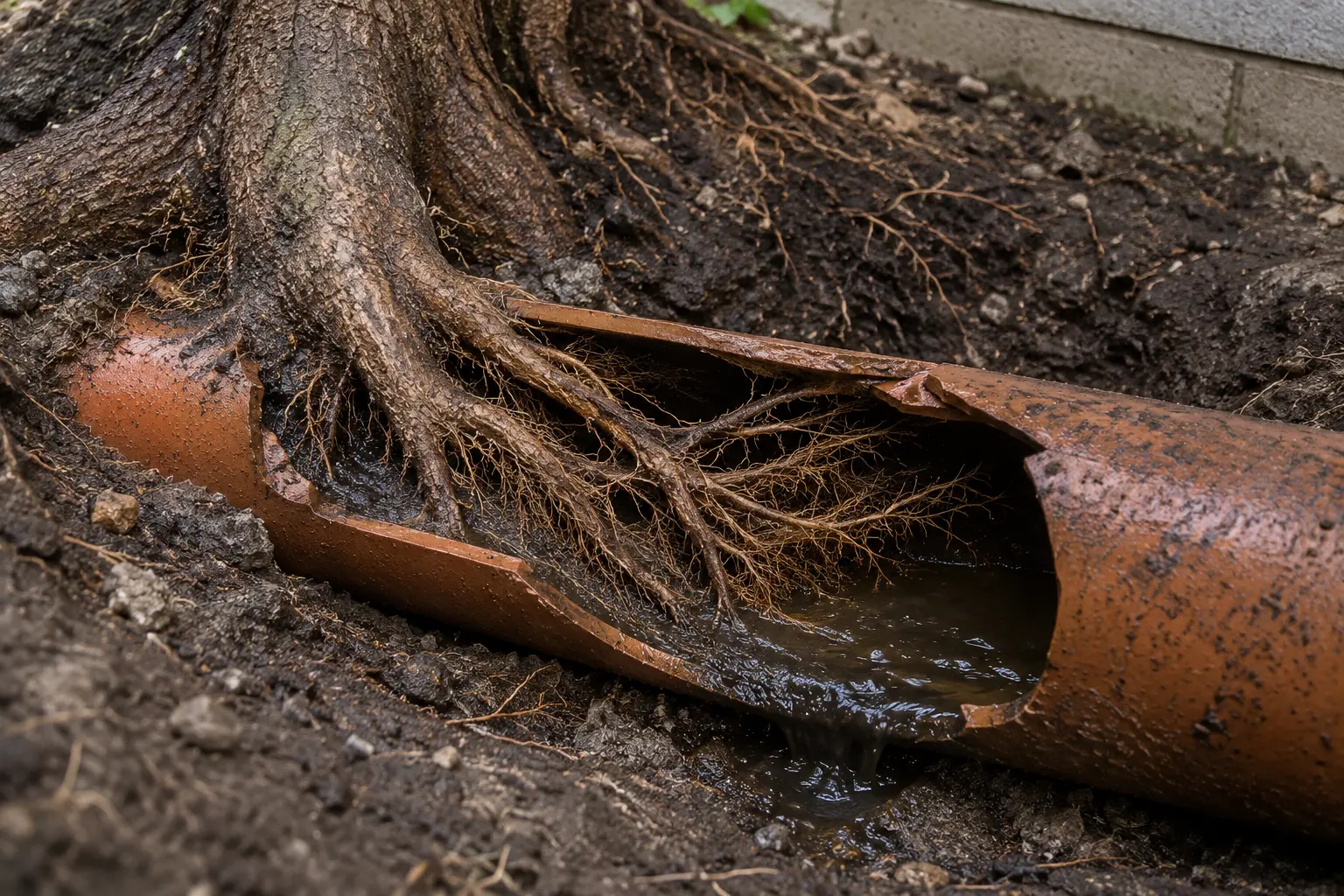
Tree roots growing through a cracked clay sewer pipe exposed during excavation, showing a common cause of sewer blockages and sewer line damage in older Chicago homes.

Tree Roots in Sewer Lines: Signs and Solutions

Tree roots in sewer lines can cause slow drains, recurring clogs, gurgling toilets, sewage odors, basement backups, and repeated main line cleaning needs. Roots usually enter through cracks, loose joints, offset pipe sections, or deteriorated sewer pipe, then grow inside the line where they trap waste and restrict flow. For Chicago homeowners, root intrusion is

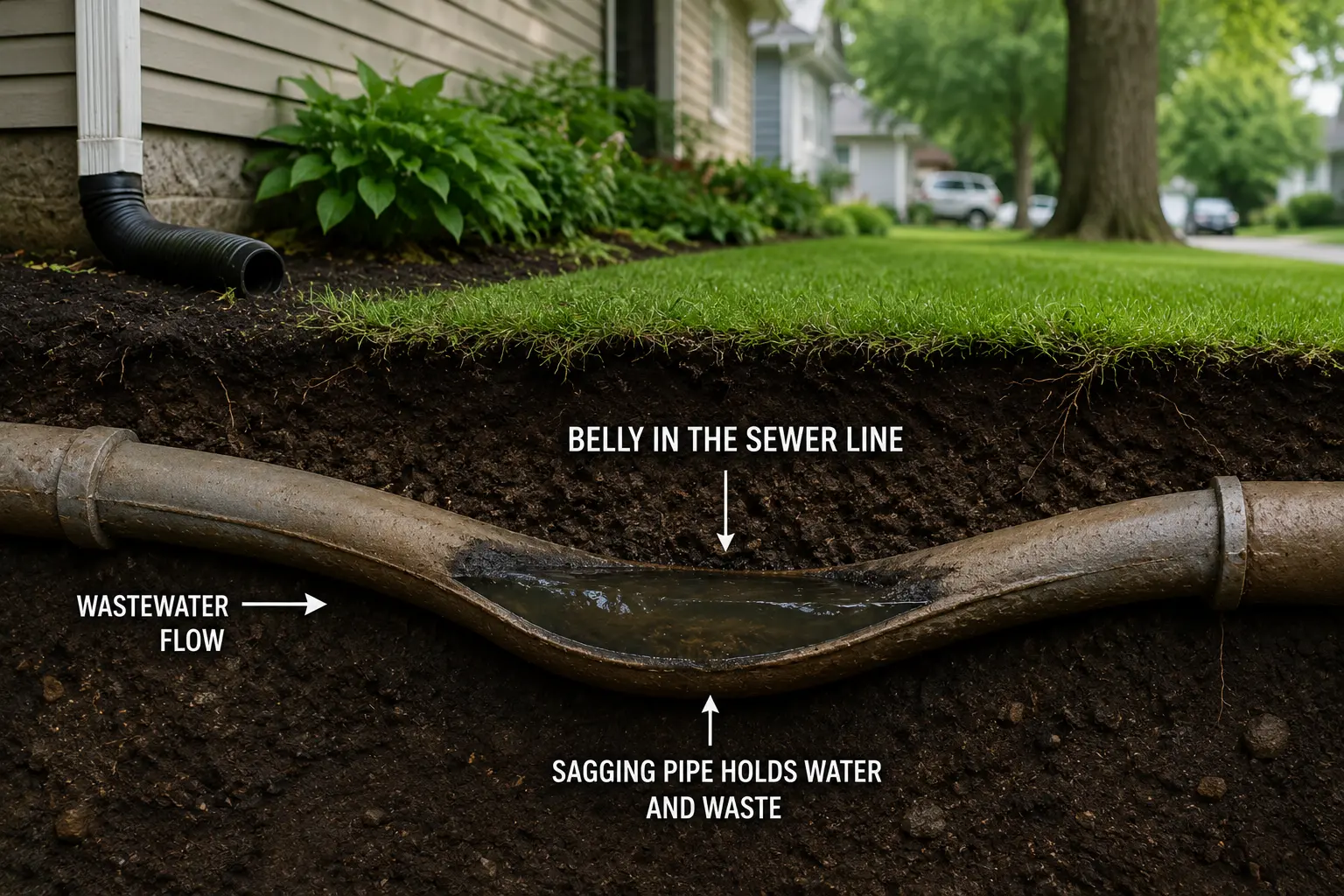
Sagging underground sewer pipe holding standing wastewater beneath a residential yard, illustrating a sewer line belly that can cause recurring clogs and drainage problems in Chicago homes.

What Is a Sewer Line Belly?

A sewer line belly is a low or sagging section of pipe where wastewater and solids collect instead of flowing smoothly toward the city sewer. Because the pipe has lost its proper slope, water can sit in the low spot, debris can build up, and the line may develop recurring clogs, slow drains, sewer odors,

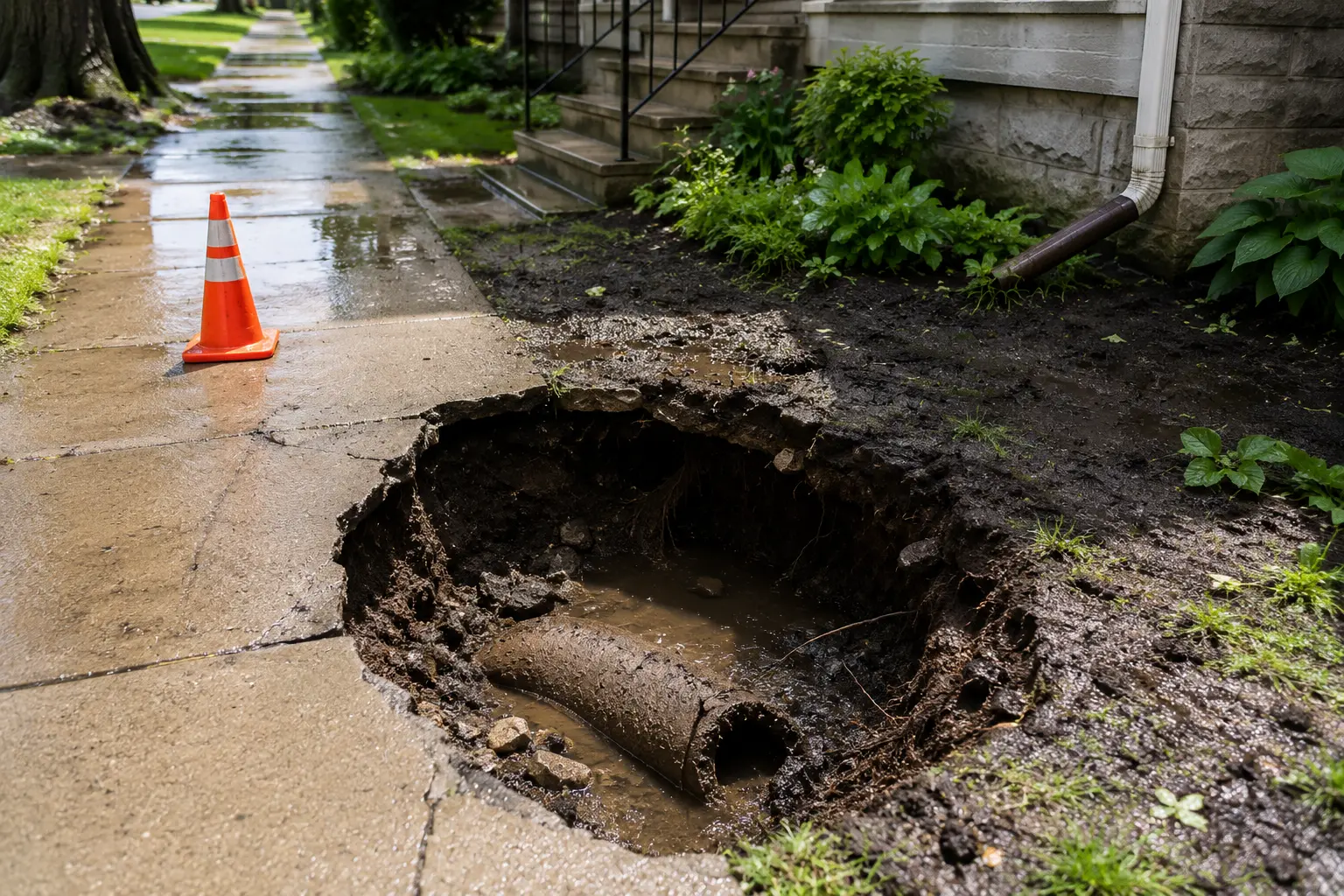
Large sinkhole forming beside a residential sidewalk with an exposed collapsed sewer pipe underneath, illustrating a severe warning sign of sewer line failure near a Chicago home.

Warning Signs of a Collapsed Sewer Line

A collapsed sewer line is one of the more serious sewer problems a homeowner can face. Warning signs may include repeated sewer backups, multiple slow drains, toilets that will not flush properly, gurgling drains, sewage odors, water pooling in the yard, sunken soil, and camera inspection footage showing that part of the pipe has caved

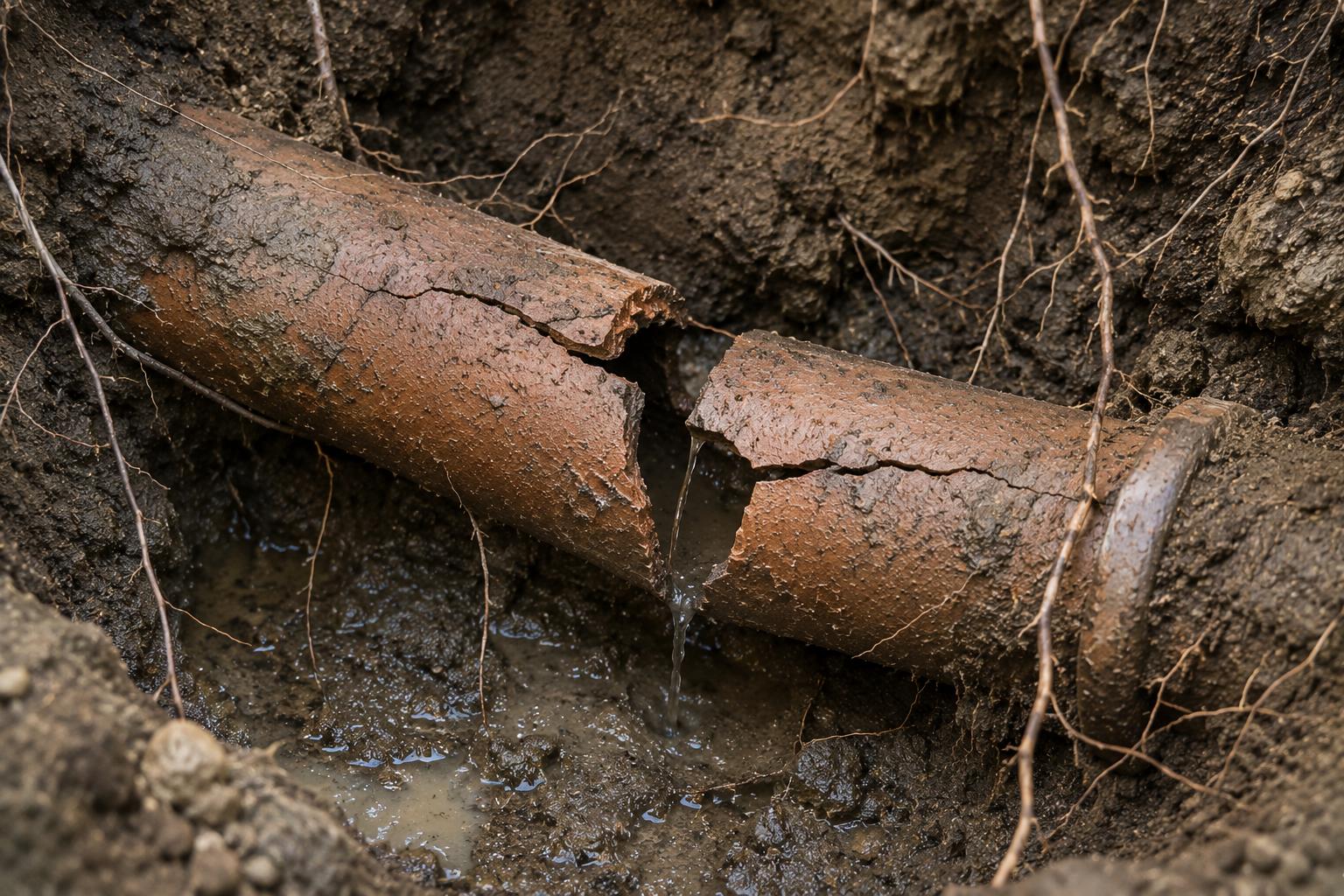
Cracked clay sewer pipe exposed during excavation with wastewater leaking into surrounding soil, illustrating a common sewer line failure found in older Chicago residential properties.

Cracked Clay Sewer Pipes: Causes and Risks

Cracked clay sewer pipes can cause recurring clogs, tree root intrusion, slow drains throughout the house, sewer odors, basement backups, water pooling in the yard, and eventually partial or full pipe collapse. Clay pipe can last for many years, but once it cracks, separates, or shifts, the sewer line may become vulnerable to repeated problems

Scroll to Top