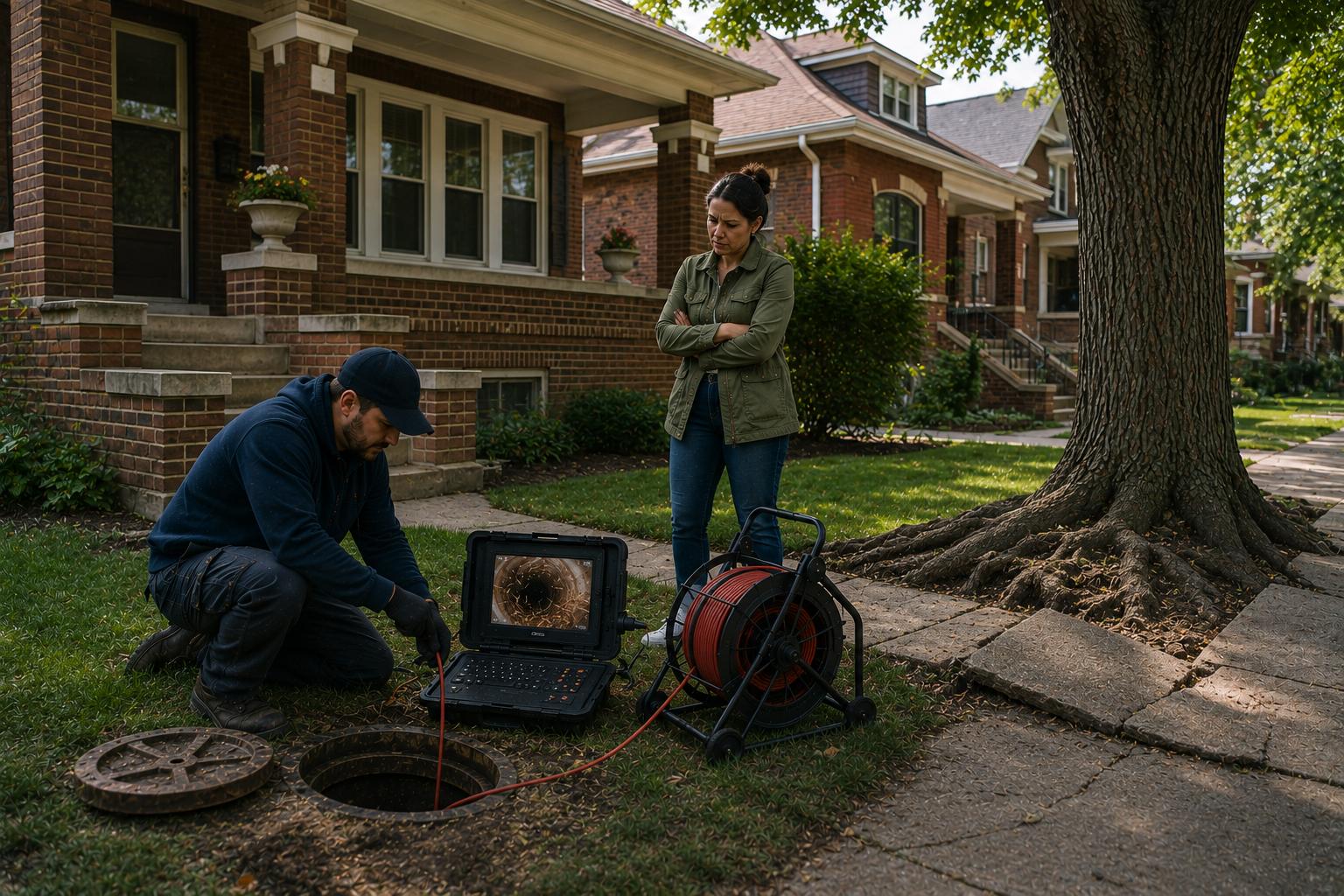
Older Chicago homes often offer character, craftsmanship, and architectural features that are difficult to find in newer construction. From classic bungalows and greystones to two-flats and vintage multi-family buildings, these properties remain a major part of Chicago’s housing stock. However, many of these homes also share a common challenge: aging sewer infrastructure.
Sewer systems installed decades ago can develop a variety of problems as pipes deteriorate, tree roots expand, soil shifts, and property usage changes over time. Some issues develop gradually, while others appear suddenly through backups, slow drains, or unexpected property damage.
Understanding the most common sewer problems affecting older Chicago homes can help homeowners recognize warning signs early, plan repairs appropriately, and avoid costly emergencies. Homeowners looking for resources specific to historic and aging properties can also explore the Older Chicago Homes & Property Types resource hub.
Key Takeaways
- Many older Chicago homes still rely on aging clay sewer pipes.
- Tree root intrusion is one of the most common causes of sewer line blockages and damage.
- Recurring backups often indicate a larger structural problem rather than a simple clog.
- Finished basements can significantly increase the consequences of sewer failures.
- Sewer inspections can identify hidden problems before major repairs become necessary.
- Homebuyers and sellers should carefully evaluate sewer conditions during real estate transactions.
What Sewer Problems Are Most Common in Older Chicago Homes?
The most common sewer problems in older Chicago homes include tree root intrusion, cracked clay pipes, collapsed sewer lines, offset pipe joints, recurring backups, sewer line bellies, and age-related deterioration. These issues are especially common in homes built before modern sewer materials became standard.
Because many Chicago neighborhoods feature mature trees, aging infrastructure, and properties more than 75 years old, sewer problems often develop gradually and worsen over time if left unaddressed. Early inspection and diagnosis are typically the most effective ways to prevent larger repairs.
Why Older Chicago Homes Experience More Sewer Problems
Several factors make older homes particularly vulnerable to sewer issues.
Age of Sewer Materials
Many homes built throughout Chicago’s major residential growth periods utilized materials that have now reached or exceeded their expected service life. Sewer pipes may have experienced decades of wear, soil movement, root intrusion, and environmental stress.
Mature Urban Tree Canopy
Chicago’s established neighborhoods often feature large trees that have been growing for generations. While these trees add beauty and shade, their root systems frequently seek out moisture inside aging sewer lines.
Homeowners dealing with root-related concerns may also find useful information in Sewer Issues in Homes Near Large Trees.
Changing Household Demands
Many older homes have undergone renovations, additions, basement finishing projects, or occupancy changes over the years. Increased water usage and plumbing modifications can place additional demands on aging sewer systems.
These challenges are often discussed in Sewer Problems After a Home Renovation.
Tree Root Intrusion
Tree root intrusion is one of the most frequently encountered sewer issues in older Chicago homes.
Roots naturally grow toward moisture. Small cracks, separated joints, or gaps in older sewer pipes can allow roots to enter the system. Once inside, roots continue expanding and can eventually obstruct wastewater flow.
Common Symptoms of Root Intrusion:
- Recurring drain backups
- Slow drains throughout the home
- Gurgling toilets
- Frequent sewer cleaning needs
- Standing water in inspection footage
- Recurring blockages in the same location
Root intrusion often begins as a maintenance issue but can eventually contribute to structural pipe damage if left unresolved.
Cracked and Deteriorating Clay Pipes
Many older Chicago properties still contain clay sewer pipes. While clay was widely used for decades, it becomes increasingly vulnerable to deterioration as it ages.
Common problems include:
- Cracking
- Joint separation
- Root penetration
- Pipe fragmentation
- Internal scaling and buildup
Homeowners can learn more about these systems in Clay Sewer Pipes in Chicago Homes: Risks and Replacement Options.
Why Clay Pipes Often Fail
Clay itself can remain durable for long periods, but joints between pipe sections are typically the weakest point. Over time, movement in the surrounding soil can create openings that allow water infiltration and root growth.
Pipe Collapse
In some cases, aging sewer lines deteriorate to the point of partial or complete collapse.
Collapsed sections may result from:
- Long-term root intrusion
- Severe cracking
- Soil movement
- Ground settlement
- Heavy surface loads
- Advanced material deterioration
A collapsed sewer line typically requires more extensive repairs than a simple blockage and often cannot be resolved through cleaning alone.
Offset Joints and Pipe Separation
Chicago’s freeze-thaw cycles and long-term soil movement can gradually shift pipe sections out of alignment.
When joints become offset:
- Wastewater flow becomes restricted.
- Debris accumulates more easily.
- Roots gain easier access to the pipe interior.
- The risk of future collapse increases.
These problems often develop slowly and may not become obvious until a camera inspection is performed.
Sewer Line Bellies and Low Spots
A sewer belly occurs when a section of pipe sinks and creates a low spot that collects water and waste.
Standing water inside the line can contribute to:
- Recurring clogs
- Slow drainage
- Debris accumulation
- Increased maintenance requirements
Although minor bellies may remain functional for years, more significant sagging can eventually require repair or replacement.
Recurring Sewer Backups
One of the most frustrating issues for homeowners is the recurring sewer backup.
Many homeowners initially assume a simple clog is responsible. However, repeated backups often indicate a larger underlying problem.
| Recurring Symptom | Potential Underlying Cause |
|---|---|
| Repeated basement backups | Root intrusion or structural pipe damage |
| Slow drains throughout the home | Main sewer restriction |
| Frequent drain cleaning | Deteriorating sewer line |
| Backup after heavy rain | System capacity or infiltration issues |
| Gurgling plumbing fixtures | Partial blockage in sewer line |
Homeowners experiencing repeated basement issues should also review Sewer Backup Problems in Chicago Basements.
Problems Unique to Certain Chicago Property Types
Chicago Bungalows
Many bungalows were built during periods when clay sewer pipes were standard. Combined with mature landscaping and finished basements, these homes often face sewer challenges related to aging infrastructure.
Additional considerations are covered in Sewer Replacement for Chicago Bungalows: What Homeowners Should Know.
Greystone Homes
Historic greystone properties may present unique access challenges during sewer repairs because of lot configurations, masonry features, and building age.
Learn more in Sewer Repair for Chicago Greystone Homes.
Two-Flats and Multi-Family Buildings
Shared plumbing systems can complicate diagnosis and increase the impact of sewer failures when multiple units rely on a single line.
Related resources include Sewer Repair for Two-Flats in Chicago and Sewer Repair for Multi-Family Buildings.
Chicago-Specific Factors That Increase Sewer Risk
Older Neighborhood Infrastructure
Many Chicago neighborhoods were developed decades before modern sewer materials and installation standards became common.
Dense Residential Development
Closely spaced homes, alleys, garages, sidewalks, and mature landscaping can make sewer access more challenging.
Weather Conditions
Chicago experiences significant seasonal temperature fluctuations. Freeze-thaw cycles contribute to soil movement that can stress aging sewer systems over time.
Long-Term Property Ownership
Many Chicago homes remain in families for generations. While this often results in excellent property care, underground sewer systems may receive less attention than visible home improvements.
How Sewer Problems Affect Home Sales
Sewer issues frequently become apparent during real estate transactions.
Buyers increasingly request sewer inspections when purchasing older homes because underground conditions are not visible during a traditional home inspection.
For buyers, the resource Sewer Inspection Before Buying a Chicago Home provides additional guidance.
Sellers may also encounter negotiations, repair requests, or closing delays when significant sewer defects are discovered. Additional information can be found in Sewer Line Problems Before Selling a House.
Repair vs Replacement Considerations
Not every sewer problem requires complete replacement.
Factors that often influence the decision include:
- Overall pipe condition
- Age of the sewer line
- Frequency of problems
- Extent of root intrusion
- Location of damage
- Inspection findings
- Future ownership plans
Important: A sewer line that experiences occasional maintenance needs may not require immediate replacement. However, recurring structural problems often warrant a closer evaluation of long-term options.
Common Homeowner Mistakes
Ignoring Early Warning Signs
Slow drains, occasional backups, and recurring clogs often provide advance warning before more serious failures occur.
Assuming Drain Cleaning Solves Everything
Cleaning may temporarily restore flow but does not repair structural damage.
Skipping Sewer Inspections
Many sewer defects cannot be accurately diagnosed without camera inspection equipment.
Waiting Until a Basement Floods
Emergency repairs often create more disruption and fewer planning options than proactive maintenance.
Overlooking Renovation Impacts
Changes to plumbing systems, basement layouts, and occupancy levels can affect sewer performance over time.
Frequently Asked Questions
What is the most common sewer problem in older Chicago homes?
Tree root intrusion is one of the most common issues because roots frequently enter aging sewer pipes through cracks and separated joints.
How can I tell if my sewer line is failing?
Warning signs often include recurring backups, slow drains, sewage odors, frequent clogs, and unusual plumbing noises. A sewer camera inspection is typically the best way to evaluate pipe condition.
Do all older Chicago homes have clay sewer pipes?
No. Some properties have undergone replacements or upgrades over the years. However, clay pipes remain common in many older neighborhoods.
Should I get a sewer inspection before buying an older Chicago home?
Many buyers choose to do so because sewer issues can be expensive and are often not visible during a standard home inspection.
Can homeowners insurance cover sewer damage?
Coverage depends on the specific policy and cause of the damage. Many policies exclude normal wear and tear, while some optional endorsements may provide limited protection.
When does a sewer problem usually require replacement instead of repair?
Replacement may be considered when inspections reveal widespread deterioration, repeated structural failures, severe root intrusion, or collapsed pipe sections.
Are sewer problems more serious for homes with finished basements?
Yes. Finished basements often contain flooring, drywall, furniture, and personal belongings that can be damaged during a sewer backup.
Conclusion
Older Chicago homes face a unique combination of sewer challenges driven by aging infrastructure, mature trees, historic construction methods, and decades of use. While many sewer issues begin as relatively minor problems, they can gradually evolve into significant repairs if warning signs are ignored.
Understanding the most common sewer defects, recognizing symptoms early, and using inspections to evaluate underground conditions can help homeowners make informed maintenance and repair decisions. For many Chicago property owners, proactive attention to sewer health is an important part of preserving the long-term value and functionality of an older home.