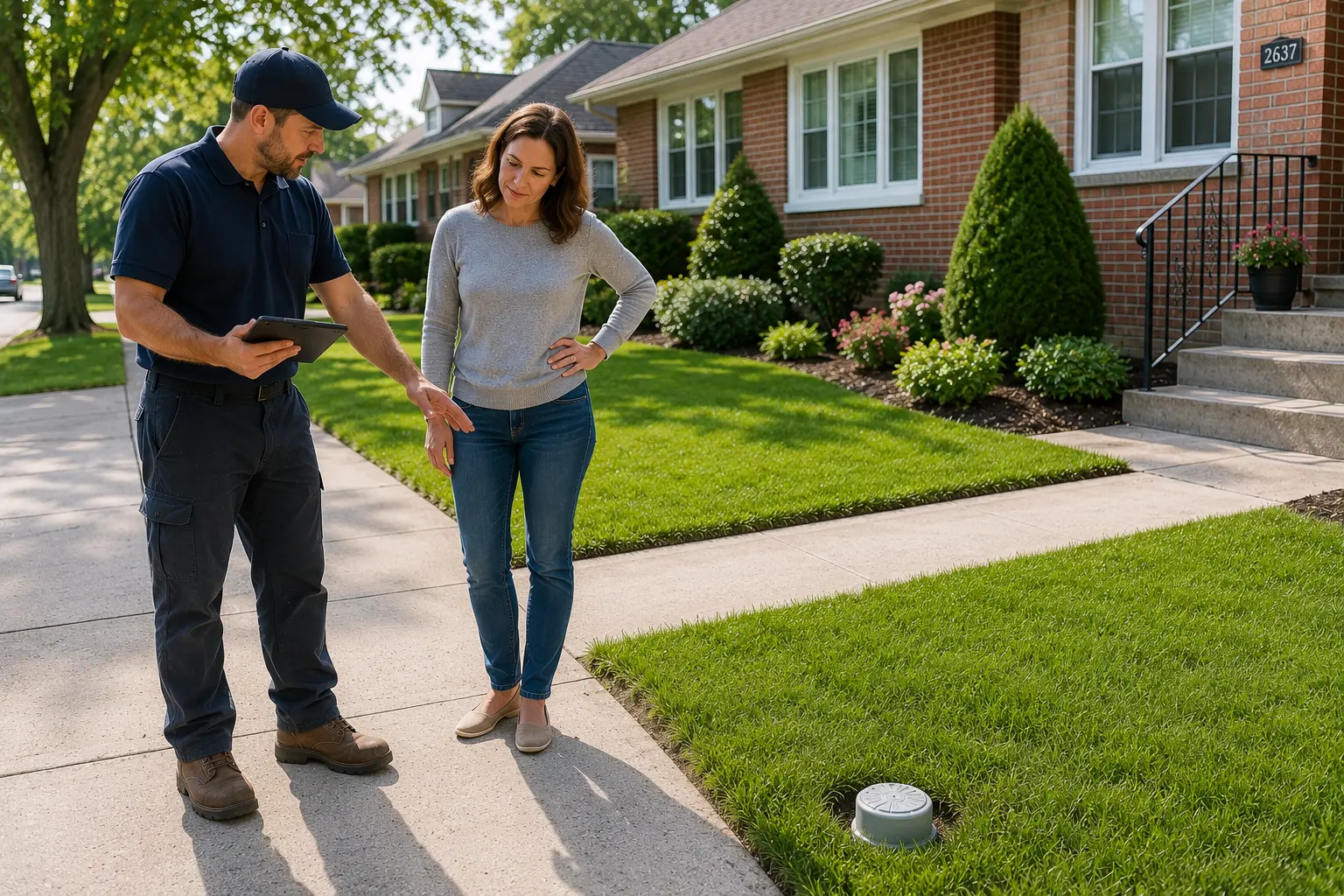
A final inspection is one of the most important steps after a sewer line replacement. It helps confirm that the new sewer line was installed properly, that required permits are being closed out, and that the work meets the applicable standards for the property. For homeowners, the final inspection is also a chance to understand what is finished, what remains temporary, and what documentation should be saved.
In Chicago, sewer replacement projects may involve private property, public sidewalks, parkways, driveway aprons, alleys, and connections near municipal infrastructure. Because of that, the final inspection can involve more than simply looking at the pipe. Surface restoration, safe access, cleanup, and permit closeout may all matter depending on the scope of the work.
This guide explains what homeowners should expect during a sewer replacement final inspection, what inspectors or contractors may review, what can cause delays, and what records should be kept after the work is approved. For broader post-repair guidance, visit the Post-Repair Concerns resource hub.
Key Takeaways
- A final inspection helps confirm that the sewer replacement was completed according to permit and code requirements.
- The inspection may review pipe installation, slope, connections, cleanouts, backfill, restoration, and public right-of-way impacts.
- Homeowners should confirm whether the inspection passed and whether the permit has been closed.
- Temporary patches, unfinished restoration, or missing documentation can create confusion after the project.
- Chicago projects may involve additional concerns when sidewalks, parkways, alleys, or public areas are affected.
- Inspection records, warranties, contracts, and photos should be saved for future repairs, resale, and insurance questions.
What Happens During a Sewer Replacement Final Inspection?
During a sewer replacement final inspection, the completed work is reviewed to confirm that the new sewer line was installed properly and that required permit conditions have been satisfied. Depending on the project, the inspection may include pipe slope, material, connections, cleanout access, backfill, surface restoration, safety conditions, and public right-of-way repair. Homeowners should ask for confirmation that the work passed and keep the inspection record with their project documents.
Why the Final Inspection Matters
A sewer replacement is a major underground project. Once the trench is backfilled and the yard or pavement is restored, many important parts of the work are no longer visible. The final inspection helps create a record that the project was reviewed before everything was fully closed out.
A final inspection can help verify:
- The work was performed under the required permit
- The pipe material is appropriate for the project
- The sewer line has proper slope and alignment
- Connections were made correctly
- Cleanouts are accessible where required
- Public or private surfaces were left safe
- Outstanding corrections have been addressed
For homeowners still getting oriented after replacement, What to Expect After Sewer Line Replacement provides a broader overview of the post-project process.
Who Handles the Final Inspection?
Responsibility for scheduling and managing the inspection depends on the contractor, the permit, and local requirements. In many sewer replacement projects, the contractor coordinates inspection steps because they are responsible for completing the permitted work correctly.
However, homeowners should not assume everything is finished unless they receive confirmation. It is reasonable to ask:
- Was a permit required for this work?
- Was the final inspection scheduled?
- Did the inspection pass?
- Were any corrections required?
- Has the permit been officially closed?
- Can I receive a copy of the inspection approval?
Homeowner note: A completed sewer repair and a closed permit are not always the same thing. Always confirm whether the inspection process is fully complete.
What Inspectors May Look For
The exact inspection scope varies by project, but final inspection items often relate to safety, installation quality, code compliance, and restoration.
| Inspection Area | What May Be Reviewed | Why It Matters |
|---|---|---|
| Pipe material | Type of pipe, fittings, and approved materials | Confirms the replacement matches project requirements |
| Slope and flow | Proper pitch toward the sewer connection | Reduces risk of standing waste, clogs, and backups |
| Connections | Joints, transitions, and tie-ins | Helps prevent leaks, separation, and root intrusion points |
| Cleanouts | Location and accessibility | Allows future maintenance and inspection access |
| Backfill and trench area | Stability, compaction, and safe restoration | Reduces settlement and surface hazards |
| Surface restoration | Sidewalks, driveways, yards, parkways, or temporary patches | Helps ensure the property is safe and usable |
| Permit closeout | Required approvals and corrections | Creates a record that the project was completed properly |
Pipe Inspection, Slope, and Flow
One of the most important aspects of a sewer replacement is whether the pipe is installed at the correct slope. Sewer lines usually rely on gravity, so the pipe must be pitched properly to move wastewater away from the house.
If the slope is too flat, waste may move slowly and increase the risk of buildup. If the slope is too steep, liquids may move faster than solids, which can also contribute to drainage problems. Proper alignment matters as well because bellies, offsets, and poorly supported sections can shorten the life of the new line.
If problems appear after replacement, homeowners may want to review Drain Problems After Sewer Replacement: Common Causes.
Cleanouts and Access Points
Cleanouts are important because they provide access for future sewer cleaning, camera inspections, and maintenance. A final inspection may confirm that required cleanouts are present, accessible, and properly installed.
Homeowners should know:
- Where the cleanout is located
- Whether it is inside or outside the home
- Whether it remains accessible after landscaping or restoration
- Whether the cap is secure
- Whether the cleanout location is documented
A cleanout that becomes buried under soil, sod, mulch, concrete, or landscaping can make future service more difficult and expensive.
Backfill, Settlement, and Surface Restoration
After the pipe is inspected and the trench is filled, the area above the sewer line must be stabilized. Final inspection may consider whether the excavation area was left in a safe condition, but full yard or pavement recovery may take longer.
Homeowners should understand that:
- Minor soil settlement may occur after excavation
- Temporary patches may be used before permanent restoration
- Yard recovery may take a growing season
- Concrete or asphalt repair may be scheduled separately
- Surface restoration may have separate warranty terms
If the sewer replacement affected the yard, driveway, or sidewalk, these related resources may help:
Chicago-Specific Final Inspection Considerations
Public Right-of-Way Work
In many Chicago neighborhoods, sewer work may affect sidewalks, parkways, driveway aprons, alleys, or areas near the curb. If public areas are disturbed, there may be additional restoration expectations beyond the pipe installation itself.
Older Sewer Connections
Many Chicago homes have older sewer systems, and replacement work may require transitions between newer pipe and existing older materials. These connection points are important because they can affect long-term performance.
Dense Lot Layouts
Side yards, front yards, driveways, and sidewalks may be close together. Limited access can make restoration and inspection more complicated, especially when excavation affects multiple surfaces.
Weather Delays
Cold weather, snow, rain, and freeze-thaw cycles can delay permanent concrete, asphalt, or landscaping work. A final sewer inspection may pass while some surface restoration remains scheduled for later.
Basement and Backup Concerns
Many Chicago homes have basements, so homeowners should continue monitoring for odors, slow drains, or backups after replacement. A passed inspection is important, but it does not guarantee that unrelated interior plumbing or municipal sewer issues will never occur.
Does the Homeowner Need to Be Present?
In some cases, the homeowner may not need to be present if the contractor and inspector can access the required areas. However, being available can be helpful when there are questions about cleanout location, restoration, access, or remaining work.
Homeowners may want to be present if:
- The cleanout is located inside the home or behind a locked gate
- The inspector needs access to the basement
- There are concerns about restoration
- Previous corrections were required
- The property has limited access
- The homeowner wants direct clarification on the closeout status
What Can Cause a Final Inspection to Fail or Be Delayed?
A failed or delayed inspection does not always mean the entire project was done poorly. Sometimes it means a correction, document, access point, or restoration item needs to be resolved.
Common issues include:
- Missing or incomplete permit information
- Inspector unable to access the work area
- Incorrect pipe material or fitting
- Improper slope or alignment concerns
- Missing or inaccessible cleanout
- Unsafe trench or surface condition
- Incomplete sidewalk, driveway, or public way restoration
- Required photos, reports, or documentation not available
- Corrections not completed before inspection
Practical tip: If corrections are required, ask for them in writing and confirm who is responsible for completing them.
Inspection, Warranty, and Long-Term Protection
A final inspection and a warranty serve different purposes. The inspection helps confirm that the work was reviewed and approved under the applicable process. A warranty defines what the contractor or manufacturer agrees to cover after the project is complete.
Homeowners should keep both records. If a future issue appears, inspection documentation may help clarify what work was approved, while warranty documents explain what is covered and what is excluded.
For more detail, review Sewer Line Replacement Warranties Explained and How Long Do New Sewer Lines Last?.
Final Inspection Checklist for Homeowners
Before considering the project fully complete, homeowners can use this checklist to confirm the major closeout items.
- Confirm the permit status
- Ask whether the final inspection passed
- Request inspection approval documentation
- Confirm whether any corrections remain
- Locate and photograph the cleanout
- Save pipe material and installation details
- Walk the yard, driveway, sidewalk, and work area
- Check whether patches are temporary or permanent
- Review warranty coverage and exclusions
- Save invoices, photos, contracts, and permits
For cleanup-related items, see Sewer Repair Cleanup Checklist.
Documents to Keep After Final Inspection
Final inspection records are important for warranty claims, future sewer service, insurance questions, and resale. They can also help future buyers understand what was replaced and when the work was approved.
Important documents include:
- Permit records
- Final inspection approval
- Contract and scope of work
- Paid invoices
- Warranty documents
- Camera inspection reports
- Pipe material details
- Before-and-after photos
- Restoration records
- Insurance claim records, if applicable
A more complete recordkeeping guide is available at What Documents Should You Keep After Sewer Replacement?.
Warning Signs After the Final Inspection
Even after a sewer replacement passes inspection, homeowners should continue monitoring the system and the restored work area. A passed inspection is a positive sign, but it does not prevent every future issue.
Watch for:
- Recurring slow drains
- Sewer odors indoors or outside
- Gurgling toilets or drains
- Backups during normal water use
- Large soil depressions above the trench
- Water pooling near the sewer route
- Sinking driveway or sidewalk patches
- Unfinished restoration items
If odors are the main issue, review Why Is There a Sewer Odor After Sewer Repair?.
Common Mistakes Homeowners Make
- Assuming the inspection passed without confirmation. Always ask for the final status.
- Not saving inspection records. These documents may be important years later.
- Confusing temporary restoration with final restoration. Gravel, asphalt patches, or rough grading may not be permanent.
- Ignoring cleanout location. The cleanout should remain accessible for future service.
- Overlooking public sidewalks or driveways. Surface restoration may affect safety and compliance.
- Not asking about warranty terms. Inspection approval does not define warranty coverage.
- Failing to monitor after the first heavy rain. Drainage and settlement issues often appear after wet weather.
Frequently Asked Questions
Is a final inspection required after sewer replacement?
Many sewer replacement projects require permits and inspections, but requirements depend on the location, scope of work, and local rules. Homeowners should confirm whether a final inspection was required and whether it passed.
What if the sewer replacement fails final inspection?
If the inspection fails, corrections may be required before the permit can be closed. Homeowners should ask what failed, who is responsible for correcting it, and when reinspection will occur.
Does a passed final inspection mean the sewer line will never have problems?
No. A passed inspection confirms that the work met inspection requirements at that time. It does not eliminate risks from future clogs, misuse, municipal sewer issues, soil movement, or unrelated plumbing problems.
Should I get a copy of the inspection approval?
Yes. Inspection approval should be saved with the contract, warranty, invoices, permits, and photos. These records can be useful for warranty claims, insurance questions, and selling the home.
Can final inspection happen before yard or driveway restoration is complete?
Sometimes. The sewer installation may be approved while certain surface restoration items remain temporary or scheduled for later. Homeowners should clarify what is still unfinished.
Does the final inspection cover sidewalk repair?
It depends on the scope of work and whether the sidewalk or public right-of-way was affected. If sidewalk restoration is involved, homeowners should confirm whether it has separate approval requirements.
Should I be worried if the yard settles after the final inspection?
Minor settlement can be normal after excavation. Large depressions, standing water, or unsafe surface conditions should be documented and addressed.
Does homeowner’s insurance require inspection documents?
Not always, but inspection records can be helpful if a claim, dispute, or future repair question arises. Keeping documentation is a practical way to protect yourself.
Conclusion
The final inspection is a key step in closing out a sewer replacement project. It helps confirm that the permitted work was reviewed, that important installation details were addressed, and that the homeowner has a clearer record of what was completed. It also gives homeowners an opportunity to ask about remaining restoration, cleanup, warranty terms, and documentation.
For Chicago homeowners, final inspection issues can overlap with public sidewalks, driveways, yards, older sewer connections, basement concerns, and seasonal weather delays. By confirming approval, saving records, and monitoring the property after the project, homeowners can reduce confusion and better protect the value of the sewer replacement.