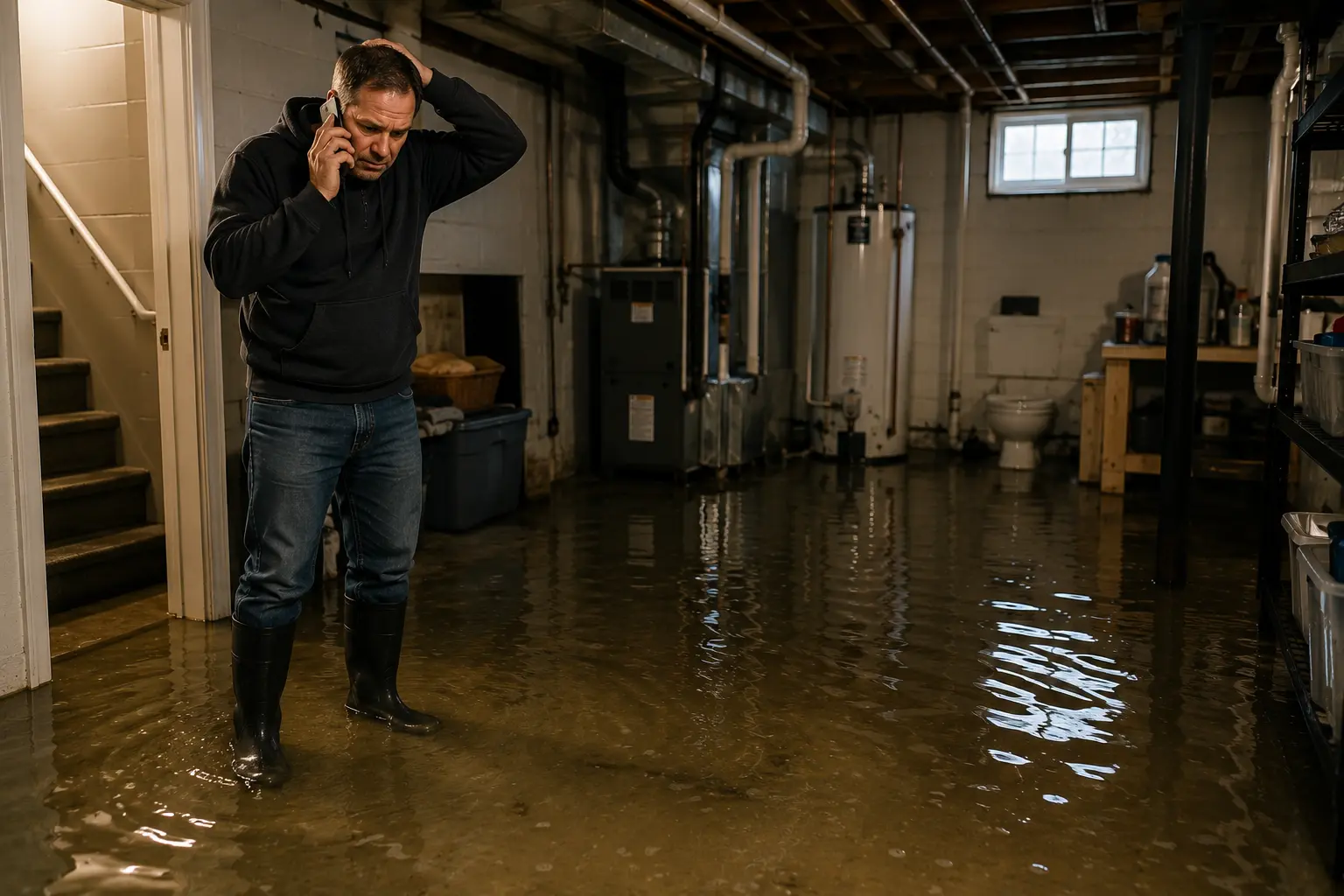
Sewer emergencies often happen without warning. A sewer line that was functioning normally one day can suddenly cause sewage backups, flooded basements, foul odors, or complete drainage failures the next. When that happens, homeowners are faced with urgent decisions about repairs, cleanup, costs, permits, and how quickly the problem can be resolved.
Emergency sewer repair in Chicago generally refers to situations where a sewer line failure creates an immediate risk to health, property, or the ability to safely use plumbing fixtures inside the home. The severity of the issue often determines whether repairs can wait a few days or require same-day intervention.
Understanding what qualifies as a sewer emergency, what repair options may be available, and what steps homeowners should take can help reduce damage and avoid costly mistakes during an already stressful situation.
Key Takeaways
- Emergency sewer repair is typically necessary when sewage is backing up into the home or wastewater can no longer leave the property.
- Prompt action can help limit property damage, mold growth, and health risks.
- Chicago weather, aging infrastructure, and older sewer systems can increase the likelihood of emergency sewer problems.
- A sewer camera inspection is often the fastest way to identify the cause of the emergency.
- Repair options vary depending on the extent of damage, accessibility, and whether a full replacement is needed.
- Insurance coverage for sewer-related damage varies significantly by policy.
When Is a Sewer Problem Considered an Emergency?
A sewer problem becomes an emergency when wastewater cannot safely leave the property or sewage begins entering living spaces. Common examples include sewage backups, multiple plumbing fixtures failing simultaneously, severe sewer line collapses, flooding caused by wastewater, or situations that create immediate health and sanitation concerns. In these cases, homeowners should stop using water fixtures and seek prompt evaluation of the sewer system.
What Causes Emergency Sewer Repairs?
Many sewer emergencies develop gradually before suddenly becoming severe. A partially damaged sewer line may function for months before a blockage or collapse causes a complete failure.
Some of the most common causes include:
- Tree root intrusion
- Collapsed sewer pipes
- Broken or cracked sewer lines
- Grease and debris blockages
- Offset pipe joints
- Aging clay or cast-iron sewer systems
- Heavy rainfall overwhelming sewer infrastructure
- Ground movement and soil settlement
In many cases, homeowners first notice warning signs such as slow drains, gurgling fixtures, or recurring backups before a major emergency develops.
For homeowners dealing with an active sewage backup, reviewing What to Do After a Sewer Backup can help prioritize immediate next steps while waiting for repairs.
Common Signs You Need Emergency Sewer Repair
Not every sewer problem requires immediate excavation or emergency service, but certain symptoms should never be ignored.
Sewage Backing Up Into Drains
Wastewater appearing in floor drains, tubs, showers, or basement fixtures often indicates a blockage or failure in the main sewer line.
Multiple Drains Stopping at Once
If sinks, toilets, showers, and floor drains throughout the home stop draining simultaneously, the issue may involve the main sewer line rather than an isolated plumbing fixture.
Strong Sewage Odors
Persistent sewer smells inside the home or near the foundation can indicate a damaged pipe or leaking sewer system.
Flooding in the Basement
Basement flooding involving wastewater creates sanitation concerns that typically require immediate attention.
Sudden Yard Sinkholes or Ground Collapse
Large voids or depressions forming above sewer lines can signal a severe underground pipe failure.
What Happens During an Emergency Sewer Repair Visit?
The exact process varies depending on the nature of the emergency, but most situations follow a similar sequence.
- Initial assessment of symptoms and affected fixtures
- Temporary measures to prevent further damage
- Sewer camera inspection to identify the problem
- Determination of repair versus replacement options
- Permit review if excavation or replacement is required
- Repair scheduling or immediate corrective work
Many emergency situations begin with an Emergency Sewer Camera Inspection because visual confirmation helps identify whether the issue involves roots, a blockage, a collapse, or another structural defect.
Potential Emergency Sewer Repair Solutions
The appropriate repair depends entirely on the condition of the sewer line.
| Problem | Possible Solution | Urgency Level |
|---|---|---|
| Minor blockage | Mechanical cleaning or hydro jetting | Moderate |
| Root intrusion | Root removal and pipe repair | High |
| Cracked pipe | Section repair or lining | High |
| Collapsed sewer line | Excavation and replacement | Critical |
| Offset joints | Repair or replacement of affected section | High |
| Complete line failure | Full sewer replacement | Critical |
When immediate permanent repairs are not possible, temporary measures may be necessary. Homeowners can learn more about these short-term approaches in Temporary Sewer Line Repair Options.
How Long Does Emergency Sewer Repair Take?
The timeline depends on the complexity of the problem.
- Drain cleaning may take a few hours.
- Camera inspections are often completed the same day.
- Spot repairs may require one to two days.
- Full sewer replacements can take several days depending on permits, weather, and excavation requirements.
Homeowners facing severe damage often wonder how quickly work can be completed. The answer depends on site conditions, pipe depth, and municipal requirements. For more detail, see How Quickly Can a Sewer Line Be Replaced?.
Chicago-Specific Sewer Emergency Considerations
Chicago homeowners face several challenges that can increase the risk of emergency sewer repairs.
Older Sewer Infrastructure
Many Chicago neighborhoods contain sewer systems that are decades old. Clay pipe, cast iron, and aging connections are more vulnerable to failures than modern materials.
Freeze-Thaw Cycles
Chicago winters can contribute to ground movement that stresses underground sewer lines.
Heavy Rainfall Events
Intense storms can overwhelm sewer systems and expose weaknesses in aging pipes.
Urban Property Constraints
Narrow lots, alleys, garages, and closely spaced structures can complicate emergency excavation work.
Homeowners exploring broader emergency-related resources can find additional information within the Emergency Sewer Repair hub.
How Much Does Emergency Sewer Repair Cost?
Emergency repairs typically cost more than scheduled repairs because they often involve after-hours labor, rapid response requirements, temporary stabilization work, and expedited inspections.
Factors that influence total costs include:
- Severity of the damage
- Length of affected sewer line
- Depth of excavation
- Accessibility of the pipe
- Permit requirements
- Emergency timing (nights, weekends, holidays)
- Restoration needs after repair
Weekend and after-hours repairs frequently involve additional charges. Homeowners can learn more in Weekend Sewer Repair Costs Explained.
Insurance and Sewer Emergencies
Many homeowners assume insurance automatically covers sewer backups and sewer line failures. In reality, coverage varies considerably.
Coverage may depend on:
- The cause of the damage
- Whether backup coverage was purchased
- The location of the damaged pipe
- Whether damage occurred gradually or suddenly
- The extent of property damage inside the home
Homeowners should review their policy language carefully and contact their insurance carrier promptly when significant damage occurs.
Health and Safety Risks During a Sewer Emergency
Raw sewage contains bacteria, viruses, parasites, and contaminants that may pose health risks. Areas affected by wastewater should generally be treated as contaminated until properly cleaned and disinfected.
Potential concerns include:
- Exposure to harmful microorganisms
- Contaminated flooring and furnishings
- Mold growth following moisture intrusion
- Air quality issues caused by sewage gases
- Structural damage to building materials
For more information on contamination concerns, homeowners may also find Health Risks of a Sewer Backup helpful.
Common Mistakes Homeowners Make During Sewer Emergencies
Continuing to Use Water Fixtures
Running sinks, showers, dishwashers, or washing machines can worsen backups and increase damage.
Ignoring Early Warning Signs
Many sewer emergencies are preceded by recurring drainage issues that could have been investigated earlier.
Skipping a Camera Inspection
Without identifying the root cause, repairs may only address symptoms.
Delaying Cleanup
Moisture and contamination left untreated can create additional health and structural problems.
Assuming Insurance Will Cover Everything
Coverage varies significantly and should never be assumed without verification.
Frequently Asked Questions
How do I know if I need emergency sewer repair?
If sewage is backing up into the home, multiple drains have stopped working, or wastewater cannot leave the property, the situation may require immediate attention.
Can sewer repairs be completed the same day?
Some blockages and minor repairs can be resolved the same day. Larger structural failures often require additional planning, permits, and excavation.
Do sewer emergencies require permits in Chicago?
Many significant sewer repairs and replacements require permits. Requirements vary depending on the scope of work and location of the sewer line.
Will homeowners insurance cover sewer backup damage?
Some policies provide coverage through optional endorsements or backup protection riders. Coverage varies by insurer and policy language.
Should I stay in my home during a sewer backup?
Minor incidents may allow portions of the home to remain usable. Severe contamination, extensive flooding, or health concerns may require temporary relocation.
What is the first thing I should do during a sewer emergency?
Stop using water fixtures immediately to reduce additional wastewater entering the system. Then document visible damage and begin arranging professional evaluation of the sewer line.
Can tree roots cause a sewer emergency?
Yes. Tree roots can infiltrate sewer lines, create blockages, crack pipes, and eventually contribute to backups or pipe collapses.
Conclusion
Emergency sewer repairs are among the most disruptive issues a homeowner can face. Whether the problem involves a major backup, a collapsed sewer line, or a complete drainage failure, acting quickly can help reduce property damage, health risks, and overall repair complexity.
Understanding the warning signs, knowing what to expect during the repair process, and recognizing the unique challenges associated with Chicago’s aging infrastructure can help homeowners make informed decisions during a stressful situation. While every emergency is different, prompt investigation and accurate diagnosis are often the keys to resolving the problem effectively.