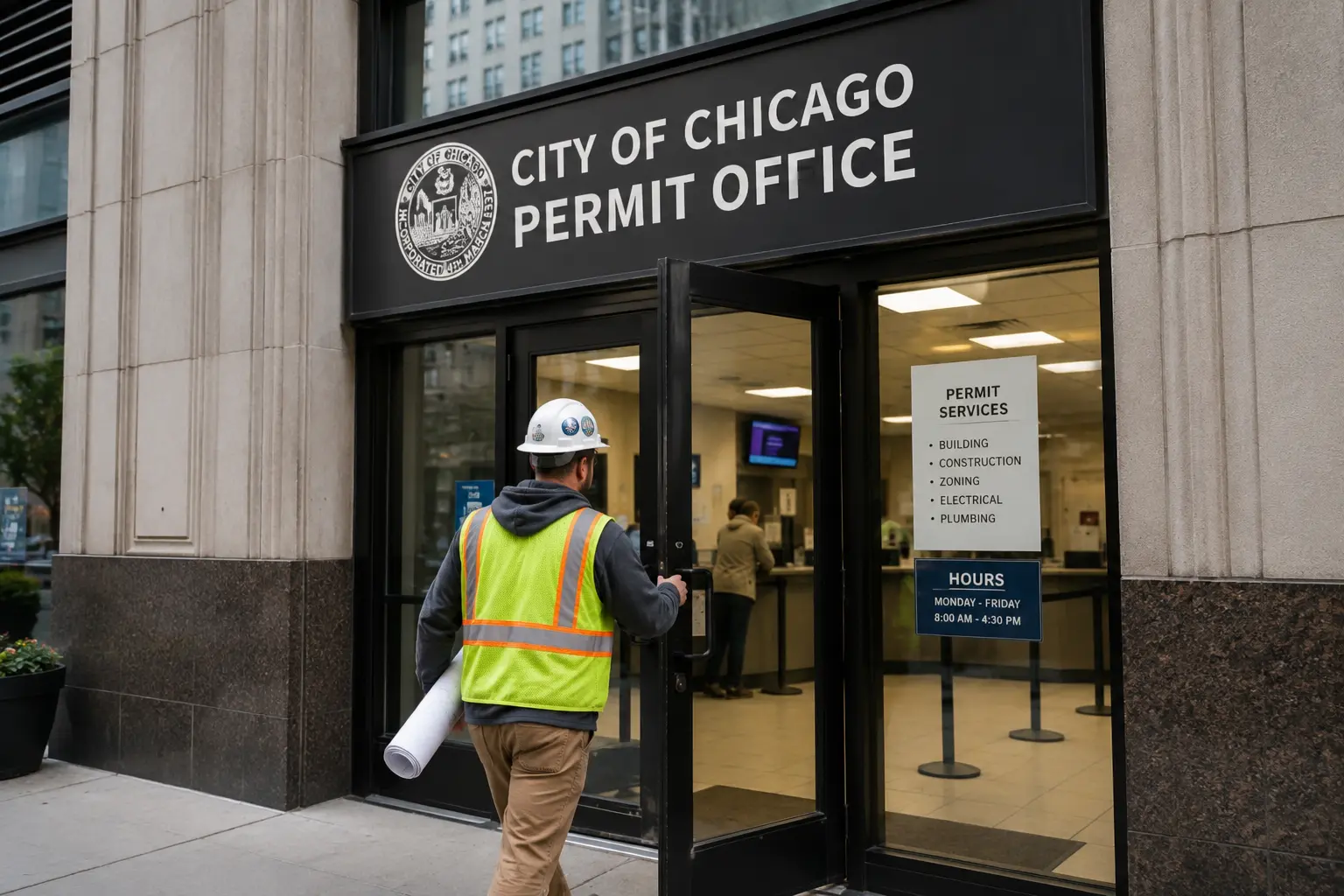
Many Chicago homeowners are surprised to learn that sewer repair work often requires permits before excavation, replacement, or major repairs can begin. Whether the project involves a damaged private sewer line, a repair near a public sidewalk, or work that connects to the city sewer system, permit requirements can affect project timelines, inspections, and overall costs.
Understanding when permits are required helps homeowners avoid delays, failed inspections, code violations, and unexpected expenses. While licensed contractors typically handle permit applications, property owners benefit from knowing how the process works and what responsibilities remain theirs throughout the project.
Key Takeaways
- Many sewer repair projects in Chicago require permits before work begins.
- Permit requirements vary depending on the location and scope of the repair.
- Repairs affecting public property, sidewalks, alleys, or streets often involve additional approvals.
- Most permitted sewer work must be performed by properly licensed professionals.
- Inspections are commonly required before a permit can be finalized.
- Failure to obtain required permits can create problems during home sales, insurance claims, or future repairs.
Do Sewer Repairs Require Permits in Chicago?
In many cases, yes. Sewer repairs in Chicago frequently require permits when work involves excavation, replacement of sewer piping, new connections, significant modifications, or repairs affecting public property. Minor maintenance activities may not require permits, but most substantial sewer projects should be reviewed by a licensed professional familiar with Chicago regulations before work begins.
Permit requirements exist to ensure sewer work complies with local codes, protects public infrastructure, and prevents improper connections that could create health or environmental hazards.
Homeowners researching local requirements may also find it helpful to review the broader regulations covered in Chicago Permits, Codes & Local Rules, which explains how sewer-related projects fit into the city’s overall regulatory framework.
Why Chicago Requires Sewer Repair Permits
Sewer systems are critical public health infrastructure. Improper repairs can lead to backups, leaks, contamination, sinkholes, and damage to neighboring properties.
Permit requirements help ensure that:
- Repairs meet Chicago building and plumbing codes.
- Proper materials and installation methods are used.
- Connections to public sewer systems are completed correctly.
- Excavation near public infrastructure is properly managed.
- Required inspections verify compliance.
- Records of completed work are maintained.
Chicago’s permitting process may seem burdensome at times, but it helps reduce long-term risks for homeowners and the city as a whole.
Types of Sewer Repairs That Commonly Require Permits
Not every sewer issue requires a permit. A simple drain cleaning or sewer rodding service may not involve permit requirements. However, many repair projects do.
Projects that frequently require permits include:
- Replacement of damaged sewer pipe sections
- Installation of new sewer cleanouts
- Excavation of buried sewer lines
- Repairs involving new sewer connections
- Pipe lining projects requiring city approval
- Full sewer line replacement
- Repairs crossing property boundaries or easements
- Work affecting public sidewalks, alleys, or streets
The exact permit requirements often depend on the repair location and the extent of the work being performed.
Who Obtains the Permit?
For most residential sewer repairs, the licensed contractor or plumber performing the work obtains the necessary permits.
Chicago generally requires certain types of plumbing and sewer work to be completed by qualified professionals who hold appropriate licenses. Homeowners should verify that the contractor plans to pull the required permits before work begins.
Questions worth asking include:
- Will permits be required for this project?
- Who is responsible for obtaining them?
- Are permit fees included in the estimate?
- Will inspections be scheduled by the contractor?
- Will final permit approvals be provided after completion?
Homeowners can learn more about qualification requirements in Licensed Plumber Requirements for Sewer Work in Chicago.
How Permits Affect Project Costs
Permits are rarely the largest expense in a sewer repair project, but they can contribute to overall costs.
| Cost Factor | Potential Impact |
|---|---|
| Permit application fees | Additional administrative expense |
| Inspection requirements | Scheduling and coordination costs |
| Street or sidewalk permits | Additional approvals and fees |
| Engineering requirements | Possible documentation expenses |
| Project delays | Longer timelines before work begins |
While permits increase project costs somewhat, they also provide documentation that work was completed legally and inspected when required.
What Happens During the Inspection Process?
Many sewer repair permits require inspections before the permit can be closed.
The inspector’s role is generally to verify that:
- Approved materials were used.
- Installation methods meet code requirements.
- Connections were completed properly.
- Excavation and restoration meet standards.
- The completed repair complies with applicable regulations.
Inspection requirements vary based on project type and location. Homeowners interested in the inspection process can review Sewer Repair Inspection Requirements in Chicago for a more detailed explanation.
Chicago-Specific Situations That Often Trigger Additional Permits
Repairs Near Sidewalks
When sewer repairs occur beneath or adjacent to public sidewalks, additional approvals may be required because public infrastructure can be affected.
These projects often involve restoration requirements after excavation is completed. Homeowners can learn more in Sewer Repair Near Sidewalks in Chicago.
Repairs Near Streets and Alleys
Excavation within public rights-of-way can involve traffic control requirements, restoration standards, and coordination with city agencies.
Additional permitting complexity is common for projects discussed in Sewer Repair Near Streets and Alleys in Chicago.
Multi-Unit Buildings
Two-flats, multi-unit buildings, and mixed-use properties may face additional permit considerations because multiple occupants can be affected by sewer system modifications.
Property owners can explore those issues further in Sewer Repair for Two-Flats and Multi-Unit Homes.
Understanding Ownership Before Applying for Repairs
One of the most common homeowner misconceptions is assuming that every sewer problem falls under city responsibility.
In reality, permit requirements often depend on where the damaged pipe is located.
Before beginning repairs, homeowners should determine:
- Whether the issue is on private property.
- Whether the city sewer main is involved.
- Where responsibility changes from homeowner to municipality.
- Whether public infrastructure has been affected.
For additional context, see Who Is Responsible for Sewer Lines in Chicago? and City Sewer Main vs Private Sewer Line: Who Pays?.
Potential Risks of Skipping Required Permits
Some homeowners are tempted to bypass permits to save time or money. Doing so can create significant problems later.
Possible consequences include:
- Code violations
- Failed inspections
- Difficulty selling the home
- Problems with insurance claims
- Required removal and reinstallation of work
- Fines or enforcement actions
- Liability issues if public property is damaged
Even when the work appears successful initially, undocumented sewer repairs can become problematic during future property transactions or disputes.
How Long Does the Permit Process Take?
The timeline varies depending on the project.
Simple residential repairs may move through the process relatively quickly, while projects involving public infrastructure, easements, streets, or complex engineering can take longer.
Factors affecting approval times include:
- Project complexity
- Location of the repair
- Need for additional documentation
- Inspection availability
- Coordination with multiple city departments
- Emergency versus planned repairs
Homeowners facing urgent sewer failures should discuss permitting timelines with their contractor as early as possible.
Common Mistakes Homeowners Make
Assuming Small Repairs Never Need Permits
The line between maintenance and repair is not always obvious. Some projects that seem minor can still require permits.
Hiring Contractors Who Do Not Pull Permits
Homeowners should be cautious if a contractor recommends skipping permit requirements altogether.
Ignoring Inspection Requirements
Obtaining a permit is only part of the process. Required inspections must usually be completed before the permit can be finalized.
Not Confirming Property Responsibility
Determining whether a problem lies within the private sewer line or public system can affect both permitting and repair obligations.
Waiting Too Long During Active Sewer Problems
Permit requirements do not eliminate the need for prompt action when backups or pipe failures occur. Delays can increase property damage and repair costs.
Frequently Asked Questions
Do all sewer repairs in Chicago require a permit?
No. Some maintenance services may not require permits, but many repairs involving excavation, replacement, new connections, or structural modifications do. Requirements depend on the scope of work.
Can a homeowner pull a sewer repair permit?
Many sewer projects require licensed professionals to obtain permits and perform the work. The specific requirements depend on the project type and applicable regulations.
How do I know if my contractor obtained a permit?
Ask for permit information before work begins and request documentation showing permit approval and final inspection status after the project is completed.
Will insurance pay for permit costs?
Insurance coverage varies significantly by policy and claim type. Some covered repairs may include permit-related expenses, while others may not. Homeowners should review their policy details carefully.
Do emergency sewer repairs still require permits?
Emergency situations may involve special procedures, but required permits and inspections are often still necessary. Contractors familiar with local requirements can explain how emergencies are handled.
What if sewer work affects a public sidewalk or alley?
Additional permits, approvals, inspections, and restoration requirements are often involved when public infrastructure is affected.
Can unpermitted sewer work affect a home sale?
Potentially. Buyers, inspectors, lenders, or title companies may raise concerns if major sewer work was completed without proper permits or documentation.
Conclusion
Permit requirements are an important part of sewer repair projects throughout Chicago. While the process can add administrative steps, permits help ensure that repairs are performed safely, legally, and in accordance with local standards.
For homeowners, the most important steps are understanding when permits may be required, confirming contractor licensing, verifying inspections, and keeping records of completed work. Taking these precautions can help avoid costly complications while protecting both the property and the city’s sewer infrastructure.