Sewer line backups are among the most disruptive plumbing-related problems a homeowner can face. A backup can lead to wastewater entering sinks, tubs, floor drains, or basements, resulting in cleanup costs, property damage, and significant inconvenience.
The good news is that many sewer backups are preventable. Routine maintenance, proper drain habits, early inspections, and attention to warning signs can dramatically reduce the risk of a major sewer problem. For Chicago homeowners—especially those living in older neighborhoods with aging sewer infrastructure—preventative measures can be particularly valuable.
This guide explains how sewer line backups occur, what homeowners can do to prevent them, and when professional inspections or maintenance may be worth considering.
Key Takeaways
- Most sewer backups develop gradually rather than occurring without warning.
- Tree roots, grease buildup, pipe deterioration, and heavy rainfall are common causes of sewer backups.
- Regular inspections and cleaning can help identify problems before a backup occurs.
- Proper drain habits significantly reduce blockage risks.
- Chicago homeowners with older sewer systems often benefit from proactive maintenance.
- Backwater valves can help protect homes from municipal sewer surcharges during severe storms.
How Can You Prevent a Sewer Line Backup?
The best way to prevent a sewer line backup is to keep debris, grease, and non-flushable items out of the sewer system, monitor trees near underground pipes, schedule periodic inspections, address slow drains early, and maintain any protective equipment such as cleanouts or backwater valves.
For many Chicago homes, especially older properties with clay sewer pipes, preventative inspections and maintenance can identify developing problems before they become expensive emergencies.
Why Sewer Line Backups Happen
A sewer backup occurs when wastewater cannot flow normally through the sewer line. Instead of leaving the property, wastewater reverses direction and returns into the home through the lowest available drains.
Several different issues can restrict or completely block sewer flow.
Tree Root Intrusion
Tree roots naturally seek moisture. Small cracks or pipe joints can allow roots to enter the sewer line, where they continue growing and eventually create major obstructions.
Homeowners concerned about nearby trees should also review Tree Root Prevention for Sewer Lines.
Grease and Organic Buildup
Cooking grease may appear harmless when poured down a drain, but it cools and hardens inside sewer pipes. Over time, grease combines with food particles and other debris to form substantial blockages.
Pipe Deterioration
Older clay, cast iron, or Orangeburg pipes can crack, collapse, sag, or separate. These defects can trap waste and create recurring blockage issues.
Heavy Rainfall and Municipal Sewer Overloads
During intense storms, municipal sewer systems can become overwhelmed. In some situations, wastewater may back up toward residential properties.
Chicago homeowners frequently encounter this risk during periods of significant rainfall and spring storms.
Practice Smart Drain Habits
The simplest prevention strategy starts inside the home.
Many sewer backups develop because inappropriate materials enter the drain system repeatedly over time.
Never Flush These Items
- Flushable wipes
- Paper towels
- Feminine hygiene products
- Cotton swabs
- Dental floss
- Baby wipes
- Grease or cooking oil
- Cat litter
- Large amounts of food scraps
Even products labeled “flushable” may contribute to blockages.
For a more detailed discussion, see What Not to Flush: Protecting Your Sewer Line.
Use Sink Strainers
Kitchen sink strainers help prevent food scraps from entering drains. Bathroom strainers can reduce hair accumulation that contributes to drainage issues.
Dispose of Grease Properly
Allow grease to cool and solidify before placing it in the trash. Avoid rinsing grease into drains with hot water, as this simply moves the problem farther down the pipe.
Monitor Early Warning Signs
Sewer backups rarely occur without warning. Recognizing early symptoms allows homeowners to address developing issues before wastewater enters the home.
Common Sewer Backup Warning Signs:
- Multiple slow drains throughout the house
- Recurring toilet clogs
- Gurgling sounds from drains or toilets
- Unpleasant sewer odors indoors or outdoors
- Water backing up into tubs or showers
- Unusually lush patches of grass near the sewer line
When several plumbing fixtures show symptoms simultaneously, the issue may involve the main sewer line rather than a localized drain clog.
Ignoring these warning signs often increases the likelihood of a future backup.
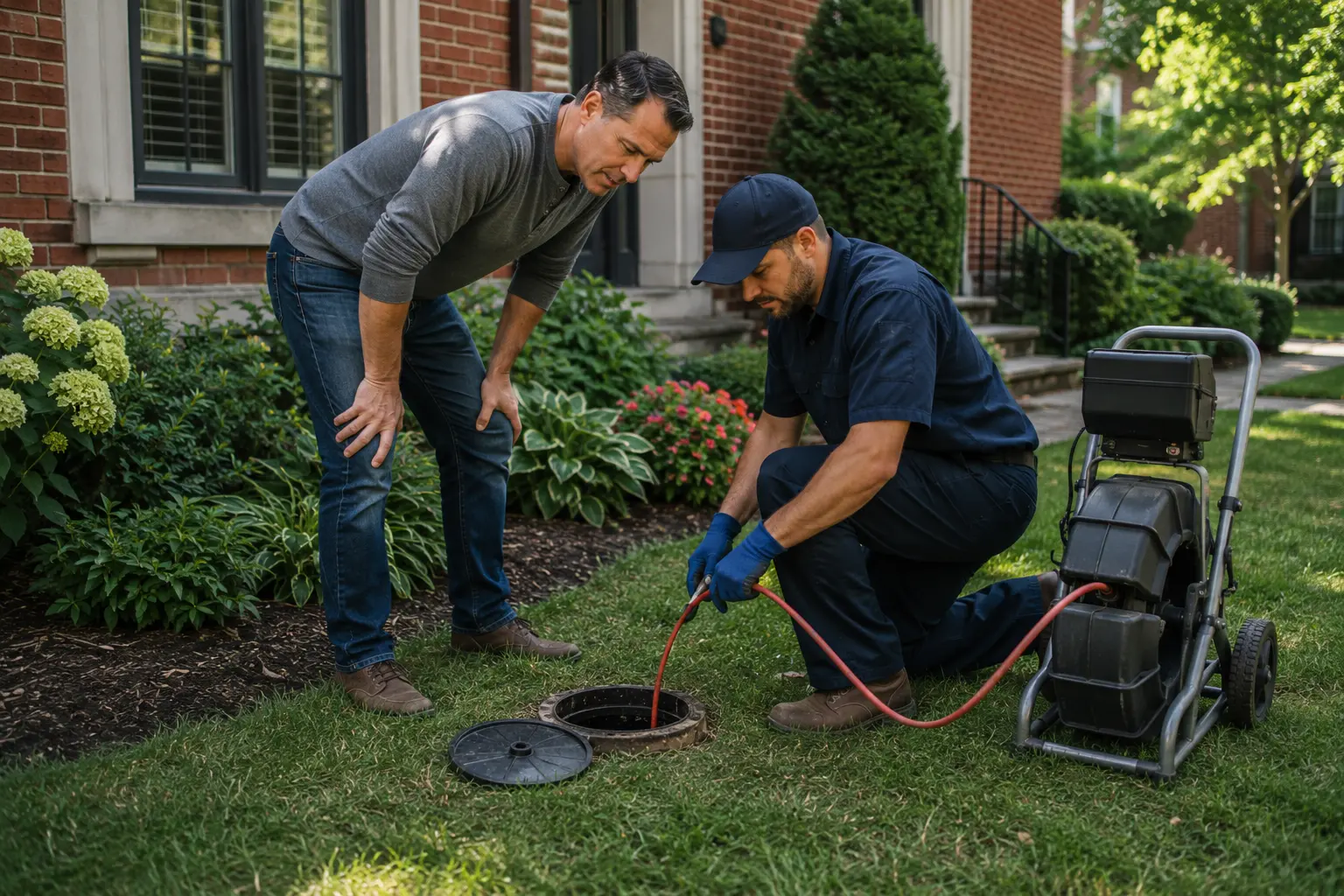
Schedule Regular Sewer Inspections
Routine inspections help identify developing issues before they become emergencies.
Modern sewer camera inspections allow technicians to view the interior of sewer pipes and locate problems such as:
- Root intrusion
- Cracks and fractures
- Offset joints
- Pipe bellies
- Grease accumulation
- Partial blockages
Homeowners with older properties, mature trees, or a history of sewer issues often benefit from more frequent evaluations.
Regular inspections can be an important part of a broader Sewer Line Maintenance for Homeowners strategy.
Keep Sewer Lines Clean
Preventative cleaning removes buildup before it causes significant restrictions.
Cleaning frequency depends on several factors:
- Age of the sewer line
- Pipe material
- Tree root exposure
- Occupancy levels
- Previous sewer problems
| Property Type | Potential Cleaning Frequency |
|---|---|
| Newer homes with no history of issues | As needed based on inspections |
| Older homes with mature trees | Periodic preventative cleaning may be beneficial |
| Properties with recurring root intrusion | More frequent maintenance may be recommended |
| Homes with previous backups | Ongoing monitoring is often advisable |
For a deeper look at maintenance intervals, see How Often Should a Sewer Line Be Cleaned?.
Consider Hydro Jetting When Appropriate
Hydro jetting uses high-pressure water to remove grease, sludge, roots, and debris from sewer lines.
In certain situations, hydro jetting can be an effective preventative maintenance tool, particularly when recurring buildup is a concern.
Learn more in Hydro Jetting for Preventative Sewer Maintenance.
Maintain Your Sewer Cleanout
The sewer cleanout provides direct access to the sewer line for inspections and maintenance.
Many homeowners rarely think about the cleanout until a problem occurs, but keeping it accessible can simplify future inspections and emergency access.
Important maintenance considerations include:
- Keeping the cleanout visible and accessible
- Avoiding landscaping that blocks access
- Checking for damage to cleanout caps
- Addressing standing water around cleanout areas
Additional guidance is available in Sewer Cleanout Maintenance: What Homeowners Should Know.
Protect Against Storm-Related Backups
Not all sewer backups originate on private property. Severe weather can overwhelm portions of the municipal sewer system.
This is especially relevant in older urban environments such as Chicago.
Install a Backwater Valve
A backwater valve is designed to prevent sewage from flowing backward into the home during certain municipal sewer surcharges.
Many homeowners in flood-prone areas investigate Backwater Valve Installation in Chicago as a protective measure.
Understand Sump Pump Limitations
Some homeowners mistakenly assume a sump pump protects against all water-related issues.
In reality, sump pumps and sewer backup prevention systems address different risks.
For more information, review Sump Pump vs Sewer Backup Problems: Understanding the Difference.
Chicago-Specific Sewer Backup Considerations
Chicago presents several unique sewer-related challenges.
Older Housing Stock
Many Chicago homes were built decades ago and may still rely on aging clay or cast-iron sewer lines.
Older pipe materials are generally more susceptible to cracking, root intrusion, and structural deterioration.
Mature Urban Trees
Chicago neighborhoods often feature large, established trees whose roots can extend significant distances underground.
Even trees located well away from a home can affect nearby sewer infrastructure.
Heavy Rain Events
Periods of intense rainfall can place additional strain on municipal sewer systems and increase the risk of sewer surcharges.
Finished Basements
Many Chicago homeowners have invested heavily in basement renovations. Because basement drains are often the lowest fixtures in the home, they are particularly vulnerable during sewer backup events.
Preventative maintenance is often less expensive than restoring a finished basement after a significant sewage intrusion.
Homeowners can explore additional resources throughout the Prevention & Maintenance hub.
Common Sewer Backup Prevention Mistakes
- Ignoring slow drains for months or years
- Using chemical drain cleaners repeatedly
- Flushing wipes labeled as flushable
- Pouring grease into kitchen drains
- Assuming new landscaping will not affect underground pipes
- Skipping inspections after purchasing an older home
- Waiting for a backup before considering maintenance
Important: Preventative maintenance is usually most effective before symptoms become severe. Once wastewater begins backing up into the home, emergency repairs and cleanup costs often increase substantially.
Frequently Asked Questions
How often should a sewer line be inspected?
There is no universal schedule. Older homes, properties with mature trees, and homes with a history of sewer issues may benefit from more frequent inspections than newer properties with modern sewer systems.
Can homeowners prevent tree roots from entering sewer pipes?
While roots cannot always be completely prevented, regular inspections, root management strategies, and timely pipe repairs can significantly reduce intrusion risks.
Does homeowners insurance cover sewer backups?
Standard homeowners policies do not always cover sewer backup damage. Many insurers offer separate endorsements or riders for sewer and water backup coverage. Homeowners should review their policy details carefully.
Are sewer backups more common in older Chicago neighborhoods?
Older neighborhoods often contain aging sewer infrastructure and mature trees, both of which can increase the likelihood of sewer-related problems if maintenance is neglected.
Is preventative sewer cleaning worth it?
For homes with recurring root intrusion, older sewer lines, or prior sewer issues, preventative cleaning may help reduce the risk of major blockages and backups. The value depends on the property’s condition and risk factors.
What is the first sign of a developing sewer backup?
Many homeowners first notice multiple slow drains, gurgling fixtures, or recurring clogs throughout the house. When several fixtures are affected at the same time, the main sewer line may be involved.
Conclusion
Preventing a sewer line backup is usually far easier and less expensive than dealing with the aftermath of one. Proper drain habits, routine inspections, preventative cleaning, root management, and attention to early warning signs can significantly reduce the likelihood of a major sewer emergency.
For Chicago homeowners, proactive maintenance is particularly important due to older sewer infrastructure, mature trees, and periodic heavy rainfall. Understanding the risks and taking preventative action can help protect both the sewer system and the home itself.