Most homeowners do not think about their sewer line until something goes wrong. Unfortunately, sewer problems often develop slowly over many years before becoming obvious. By the time wastewater backs up into a basement or drains stop functioning properly, repairs can be expensive and disruptive.
Routine sewer line maintenance helps reduce the risk of backups, clogs, root intrusion, and premature pipe failure. While no maintenance plan can eliminate every sewer problem, proactive care can identify developing issues before they turn into emergencies.
For Chicago homeowners, sewer maintenance is particularly important because many neighborhoods contain aging underground infrastructure, mature trees, and sewer systems that face additional stress during heavy rain events.
Key Takeaways
- Sewer line maintenance focuses on preventing problems before they become emergencies.
- Routine inspections can identify root intrusion, cracks, buildup, and pipe deterioration early.
- Proper drain habits play a major role in sewer system health.
- Older Chicago homes often benefit from more proactive sewer maintenance.
- Preventative cleaning may reduce the likelihood of severe blockages.
- Maintenance costs are often lower than emergency repair and cleanup expenses.
What Does Sewer Line Maintenance Involve?
Sewer line maintenance typically includes periodic inspections, preventative cleaning when appropriate, monitoring for tree root intrusion, maintaining accessible cleanouts, and following proper drain-use practices inside the home.
For many homeowners, effective maintenance means identifying small sewer problems before they develop into backups, flooding, or major pipe failures that require costly repairs or replacement.
Why Sewer Line Maintenance Matters
The main sewer line carries all wastewater from the home to the municipal sewer system. Unlike sinks, faucets, or toilets that are visible every day, the sewer line remains hidden underground.
Because homeowners cannot easily see what is happening inside the pipe, sewer problems often progress unnoticed.
Regular maintenance helps address issues such as:
- Tree root growth
- Grease accumulation
- Partial blockages
- Pipe deterioration
- Joint separation
- Drainage restrictions
- Storm-related vulnerabilities
Many sewer emergencies are preceded by warning signs that could have been identified through routine maintenance.
Homeowners interested in reducing backup risks should also review How to Prevent Sewer Line Backups.
The Core Components of Sewer Line Maintenance
Regular Sewer Inspections
Inspections are one of the most effective maintenance tools available.
Modern sewer camera inspections allow professionals to evaluate the condition of underground pipes without excavation. A camera inspection can identify:
- Tree root intrusion
- Pipe cracks
- Offset joints
- Pipe bellies
- Grease buildup
- Debris accumulation
- Structural deterioration
Inspections are especially valuable for older homes, properties with large trees, and homes that have experienced previous sewer problems.
Preventative Sewer Cleaning
Cleaning removes material that can gradually restrict wastewater flow.
Depending on the condition of the line, cleaning may remove:
- Grease deposits
- Soap residue
- Organic debris
- Mineral buildup
- Root growth
Not every home requires regular cleaning on a fixed schedule. The ideal frequency depends on the property’s age, pipe condition, and maintenance history.
Homeowners can learn more in How Often Should a Sewer Line Be Cleaned?.
Cleanout Maintenance
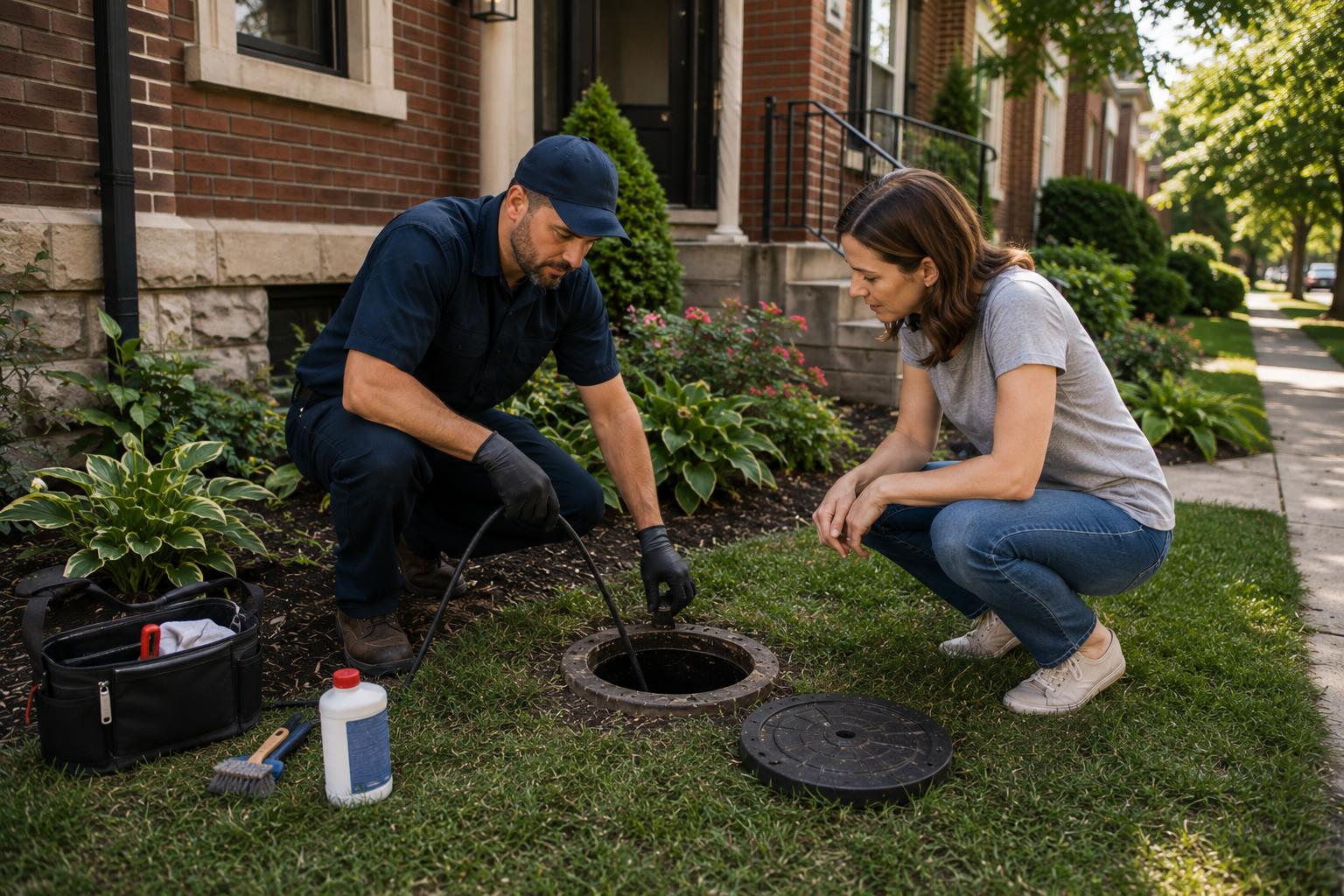
The sewer cleanout provides direct access to the main sewer line for inspections and maintenance.
Keeping the cleanout visible and accessible can simplify future maintenance work and emergency response.
Additional guidance is available in Sewer Cleanout Maintenance: What Homeowners Should Know.
Protecting Your Sewer Line Through Everyday Habits
Many sewer problems begin with what enters the drain system.
Homeowners can significantly reduce blockage risks by making small changes in daily habits.
Avoid Flushing Problem Materials
Even products marketed as flushable can contribute to sewer blockages.
Items commonly associated with sewer problems include:
- Flushable wipes
- Paper towels
- Feminine hygiene products
- Cotton swabs
- Dental floss
- Disposable cleaning products
For a detailed breakdown, see What Not to Flush: Protecting Your Sewer Line.
Keep Grease Out of Drains
Grease is one of the most common causes of sewer restrictions. While grease may flow down a drain as a liquid, it eventually cools and solidifies inside the pipe.
Over time, these deposits can trap additional debris and create significant obstructions.
Use Drain Screens
Drain screens help prevent hair, food particles, and debris from entering the drainage system.
While they do not protect the main sewer line directly, they can reduce overall buildup throughout the home’s plumbing system.
Managing Tree Root Risks
Tree roots are one of the most common causes of sewer line problems in Chicago.
Roots naturally seek moisture and nutrients. Small pipe cracks, loose joints, or aging connections can attract root growth underground.
Once roots enter the sewer line, they often continue expanding until they obstruct wastewater flow.
Warning Signs of Root Intrusion:
- Recurring drain clogs
- Multiple slow drains
- Gurgling toilets
- Frequent sewer cleaning needs
- Localized wet areas in the yard
- Sewage odors outdoors
Property owners with mature trees near sewer lines should consider periodic inspections and root management strategies.
Learn more in Tree Root Prevention for Sewer Lines.
Hydro Jetting as a Maintenance Tool
Hydro jetting uses highly pressurized water to clean the interior of sewer pipes.
Unlike mechanical snaking, hydro jetting can remove accumulated grease, sludge, scale, and smaller root intrusions from pipe walls.
Potential benefits include:
- More thorough pipe cleaning
- Removal of stubborn buildup
- Improved wastewater flow
- Reduction of recurring blockage conditions
Hydro jetting is not appropriate for every sewer line. Severely damaged pipes may require inspection before cleaning methods are selected.
For additional information, see Hydro Jetting for Preventative Sewer Maintenance.
Seasonal Sewer Maintenance Considerations
Before Winter
Cold weather can expose existing weaknesses in aging sewer systems. Fall is often a practical time to evaluate drainage performance and address known issues.
Additional seasonal guidance is available in Preventing Sewer Problems Before Winter.
During Heavy Rainfall Seasons
Chicago experiences periods of significant rainfall that can place additional pressure on sewer infrastructure.
Homeowners should ensure drains remain clear and understand how stormwater may affect their property.
Learn more in Preventing Sewer Problems During Heavy Rain.
Chicago-Specific Sewer Maintenance Challenges
Older Sewer Infrastructure
Many Chicago-area homes were built decades ago and may still have original clay or cast-iron sewer lines.
These systems often remain functional but may require closer monitoring due to age-related deterioration.
Dense Urban Tree Canopies
Many Chicago neighborhoods feature mature street trees and established landscaping that increase root intrusion risks.
Finished Basements
Basements frequently contain valuable living space, finished rooms, storage areas, and utilities.
Because basement drains are often the lowest plumbing fixtures, sewer backups can cause significant damage if preventative maintenance is neglected.
Homeowners concerned about basement flooding should review How to Prevent Basement Sewer Backups.
Combined Sewer System Considerations
Some Chicago-area communities continue to deal with aging municipal infrastructure that can become stressed during major storms. Understanding local sewer conditions can help homeowners make informed maintenance decisions.
Additional resources can be found throughout the Prevention & Maintenance section of the site.
Sewer Maintenance Costs and Planning Considerations
Maintenance costs vary significantly depending on the property’s condition and maintenance strategy.
| Maintenance Activity | Purpose | Frequency Varies By |
|---|---|---|
| Camera Inspection | Identify hidden pipe issues | Age, risk factors, history |
| Preventative Cleaning | Remove buildup and debris | Pipe condition and usage |
| Hydro Jetting | Deep pipe cleaning | Buildup severity |
| Root Management | Reduce intrusion risks | Tree exposure |
| Backwater Valve Maintenance | Storm backup protection | Equipment condition |
Homeowners comparing ongoing maintenance expenses can explore Sewer Line Maintenance Plan Cost.
In many situations, preventative maintenance costs are easier to budget for than emergency repairs, cleanup, and restoration following a sewer backup.
Common Sewer Maintenance Mistakes
- Waiting until a backup occurs before scheduling an inspection
- Ignoring recurring drain issues
- Assuming sewer lines never require maintenance
- Planting large trees near known sewer routes
- Repeatedly using chemical drain cleaners
- Flushing products that do not break down properly
- Allowing cleanouts to become buried or inaccessible
Important: Repeated minor drainage problems are often early indicators of a larger sewer issue. Addressing these symptoms early may help prevent more significant repairs later.
Frequently Asked Questions
How often should a homeowner maintain a sewer line?
Maintenance needs vary based on the age of the property, sewer pipe material, tree exposure, and prior sewer history. Some homes require very little maintenance, while others benefit from periodic inspections and cleaning.
Do all sewer lines need regular cleaning?
Not necessarily. Cleaning schedules should be based on actual pipe conditions and risk factors rather than a universal timetable. A sewer inspection can often help determine whether cleaning is needed.
Is sewer line maintenance worth the cost?
Many homeowners find preventative maintenance worthwhile because it may reduce the likelihood of backups, emergency repairs, and property damage. The value depends on the property’s risk profile.
Can maintenance prevent tree root problems?
Maintenance cannot eliminate root growth entirely, but inspections and early intervention can help identify intrusion before severe blockages or pipe damage occur.
Will homeowners insurance pay for sewer maintenance?
Routine maintenance is generally considered a homeowner responsibility and is not typically covered by insurance. Coverage may vary for damage resulting from certain sewer-related events depending on the policy.
Should older Chicago homes be inspected more often?
Many older Chicago homes contain aging sewer infrastructure and mature landscaping. Because these factors can increase sewer risks, more proactive monitoring is often beneficial.
Conclusion
Sewer line maintenance is one of the most effective ways homeowners can reduce the risk of backups, costly repairs, and unexpected plumbing emergencies. Through routine inspections, proper drain habits, preventative cleaning, and attention to warning signs, many common sewer problems can be identified before they become severe.
For Chicago homeowners, maintenance is particularly important due to older housing stock, aging sewer infrastructure, mature trees, and seasonal weather challenges. A proactive approach can help extend the life of the sewer system while reducing the likelihood of major disruptions.