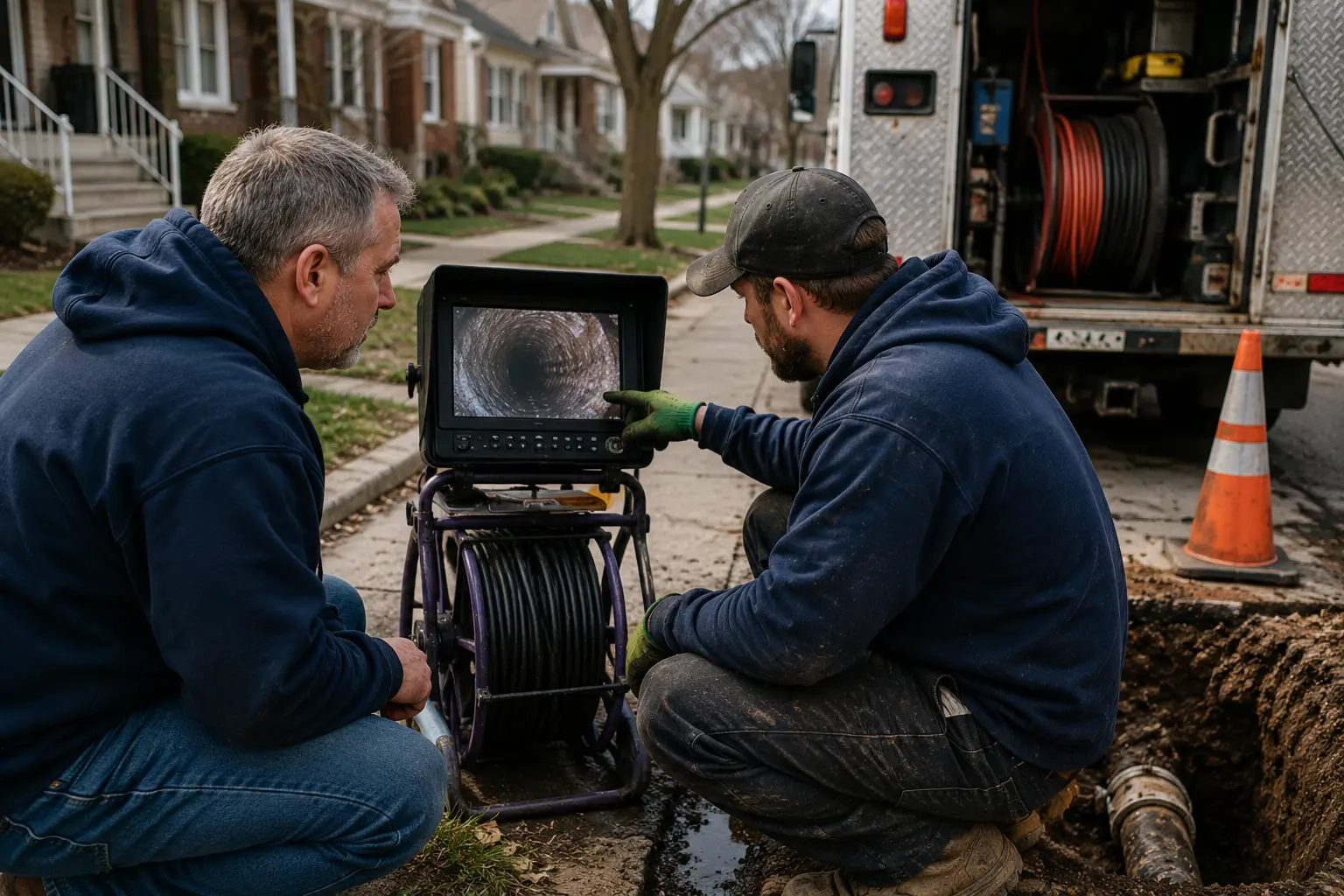
Choosing the right sewer repair contractor can have a major impact on the cost, quality, and long-term success of a sewer project. Whether you’re dealing with recurring backups, tree root intrusion, a collapsed pipe, or a full sewer line replacement, the contractor you hire will influence everything from permitting and inspections to workmanship and warranty coverage.
For Chicago homeowners, the decision can feel overwhelming. Sewer repairs are often expensive, technically complex, and sometimes urgent. Understanding how to evaluate contractors before signing a contract can help you avoid costly mistakes and make a more informed decision.
If you’re researching contractors and comparing bids, the resources in our Contractor Selection & Quotes hub can help you understand the entire hiring process from inspection through project completion.
Key Takeaways
- Always verify licensing, insurance, and local experience before hiring a sewer contractor.
- Obtain multiple written estimates whenever possible.
- Review sewer camera footage and inspection findings before approving major work.
- Compare repair methods, warranties, and project scope—not just price.
- Be cautious of high-pressure sales tactics and unusually low bids.
- Chicago permitting requirements and older sewer infrastructure make local expertise especially important.
What Should You Look for in a Chicago Sewer Repair Contractor?
The best sewer repair contractor is not necessarily the cheapest or the fastest. Homeowners should look for properly licensed and insured contractors with experience handling Chicago-area sewer systems, clear written estimates, documented inspection findings, strong customer reviews, and realistic warranties. Comparing multiple bids and understanding exactly what work is being proposed are essential steps before signing a contract.
Start With a Proper Sewer Diagnosis
Before evaluating contractors, make sure the underlying sewer problem has been properly identified.
Many sewer issues can produce similar symptoms, including:
- Slow drains
- Recurring backups
- Gurgling fixtures
- Sewage odors
- Wet areas in the yard
A contractor should be able to explain the specific cause of the problem rather than recommending replacement immediately.
In many situations, a sewer camera inspection provides the clearest picture of the pipe’s condition. If you’re unsure whether an inspection is necessary, review Should You Get a Sewer Camera Inspection Before Hiring a Contractor? before making a decision.
Verify Licensing and Insurance
One of the first screening steps should be confirming that the contractor carries appropriate licenses and insurance coverage.
Homeowners should ask for:
- Business licensing information
- Proof of liability insurance
- Workers’ compensation coverage
- Permit experience within local jurisdictions
Licensed professionals are generally more familiar with local code requirements, inspections, and permitting procedures.
It’s also helpful to understand whether you’re hiring a plumbing contractor, a sewer specialist, or another type of professional. The distinctions are explained in Licensed Plumber vs Sewer Contractor: What’s the Difference?.
Look for Experience With Similar Sewer Problems
Not every sewer contractor handles the same types of projects.
Some companies focus primarily on:
- Drain cleaning
- Minor repairs
- Pipe lining
- Trenchless rehabilitation
- Full sewer replacements
Ask how often the contractor performs projects similar to yours.
For example, replacing a collapsed clay sewer lateral beneath a Chicago alley presents different challenges than clearing tree roots from a suburban sewer line.
The contractor should be able to explain:
- What they found
- Why the problem occurred
- Recommended repair options
- Advantages and disadvantages of each solution
Always Request a Detailed Written Estimate
A professional contractor should provide a clear written estimate that outlines the proposed work.
Vague proposals make it difficult to compare bids and increase the risk of unexpected charges later.
A quality sewer estimate should clearly explain:
- The repair method being used
- Pipe materials
- Excavation requirements
- Permit responsibilities
- Restoration work
- Inspection requirements
- Warranty terms
- Estimated timeline
If you’re reviewing contractor proposals, our Sewer Repair Estimate Checklist and What Should Be Included in a Sewer Repair Quote? can help you evaluate what’s included.
Compare More Than Just Price
Many homeowners focus primarily on the lowest bid. While cost matters, the cheapest estimate is not always the best value.
| Factor | Why It Matters |
|---|---|
| Repair Method | Different methods have different lifespans and disruption levels. |
| Materials | Pipe quality can affect long-term durability. |
| Warranty Coverage | Stronger warranties may reduce future risk. |
| Permits | Permit handling affects compliance and inspections. |
| Restoration | Landscape and pavement restoration can add significant value. |
| Experience | Specialized experience may reduce costly mistakes. |
For a deeper look at evaluating competing bids, see How to Compare Sewer Replacement Quotes.
Check Reviews Carefully
Online reviews can provide useful information, but homeowners should focus on quality and consistency rather than star ratings alone.
Look for comments regarding:
- Communication
- Project timelines
- Cleanup practices
- Unexpected charges
- Warranty support
- Problem resolution
A few negative reviews are normal. More important is how the company responded and whether similar complaints appear repeatedly.
For guidance, read How to Evaluate Sewer Contractor Reviews.
Ask Questions Before Signing Anything
Good contractors should welcome questions and provide clear answers.
Important topics include:
- What specifically caused the sewer failure?
- Are there repair alternatives?
- Will permits be required?
- Who schedules inspections?
- What areas will be excavated?
- What restoration is included?
- How long will the project take?
- What warranty applies?
Homeowners can use the questions outlined in Questions to Ask Before Sewer Line Replacement when interviewing contractors.
Chicago-Specific Considerations
Chicago presents unique challenges that make local experience especially valuable.
Older Sewer Infrastructure
Many Chicago-area homes have aging clay, cast iron, or Orangeburg sewer lines. Contractors familiar with these materials can often identify common failure patterns more quickly.
Permits and Municipal Requirements
Sewer work frequently requires permits and inspections. Contractors should understand local requirements and coordinate the process appropriately.
Urban Access Challenges
City lots, alleys, sidewalks, neighboring structures, and underground utilities can complicate excavation and increase project complexity.
Weather Conditions
Freeze-thaw cycles, heavy rainfall, and seasonal groundwater conditions can affect scheduling and repair methods.
Contractors with extensive Chicago-area experience are often better prepared to address these challenges.
Why Multiple Estimates Matter
Obtaining multiple estimates allows homeowners to compare recommendations, pricing structures, and repair approaches.
Different contractors may propose:
- Spot repairs
- Pipe lining
- Pipe bursting
- Traditional excavation
- Partial replacement
- Full replacement
Comparing several opinions helps identify situations where one contractor may be recommending unnecessary work.
Learn more in Do You Need Multiple Sewer Repair Estimates?.
Common Warning Signs of a Poor Contractor
Watch for these red flags:
- Pressure to sign immediately
- Large upfront cash payments
- No written estimate
- Refusal to provide insurance documentation
- Unwillingness to show inspection findings
- Unrealistically low pricing
- Verbal-only warranty promises
- No permit discussion
- Vague explanations of the problem
Homeowners concerned about questionable sales tactics should review Red Flags to Watch for in Sewer Repair Contractors and How to Avoid Common Sewer Repair Scams.
Review the Contract Carefully
Before work begins, carefully review the final contract.
The agreement should clearly define:
- Project scope
- Materials
- Pricing
- Payment schedule
- Timeline
- Permit responsibilities
- Warranty terms
- Cleanup and restoration obligations
If important details are missing, request clarification before signing.
The article Sewer Repair Contract Checklist provides a detailed review framework.
Frequently Asked Questions
How many sewer repair estimates should I get?
Three estimates are often enough to compare pricing, repair methods, warranties, and contractor qualifications. Additional estimates may be worthwhile for particularly expensive projects.
Should I choose the lowest sewer repair quote?
Not necessarily. The lowest bid may exclude permits, restoration work, inspections, or warranty coverage. Compare the full scope of work rather than focusing only on price.
Do Chicago sewer repairs usually require permits?
Many sewer repair and replacement projects require permits and inspections. Requirements vary depending on the location and type of work being performed.
Is a sewer camera inspection worth paying for?
In many cases, yes. Camera inspections can confirm the cause and location of the problem and help homeowners evaluate repair recommendations more confidently.
What warranty should a sewer contractor provide?
Warranty terms vary significantly. Homeowners should request written warranty information that clearly explains coverage periods, exclusions, and claim procedures.
Can homeowners insurance help pay for sewer repairs?
Sometimes. Coverage depends on the cause of the damage and the details of the policy. Many sewer line failures are not automatically covered under standard homeowners insurance policies.
Conclusion
Choosing a sewer repair contractor in Chicago involves much more than comparing prices. Homeowners should focus on proper diagnosis, licensing, local experience, detailed estimates, transparent communication, and documented warranties.
Taking time to evaluate contractors carefully can reduce the risk of unnecessary repairs, unexpected costs, and future sewer problems. By gathering multiple estimates, reviewing inspection findings, and understanding the proposed work, homeowners can make a more informed decision when facing a sewer repair or replacement project.