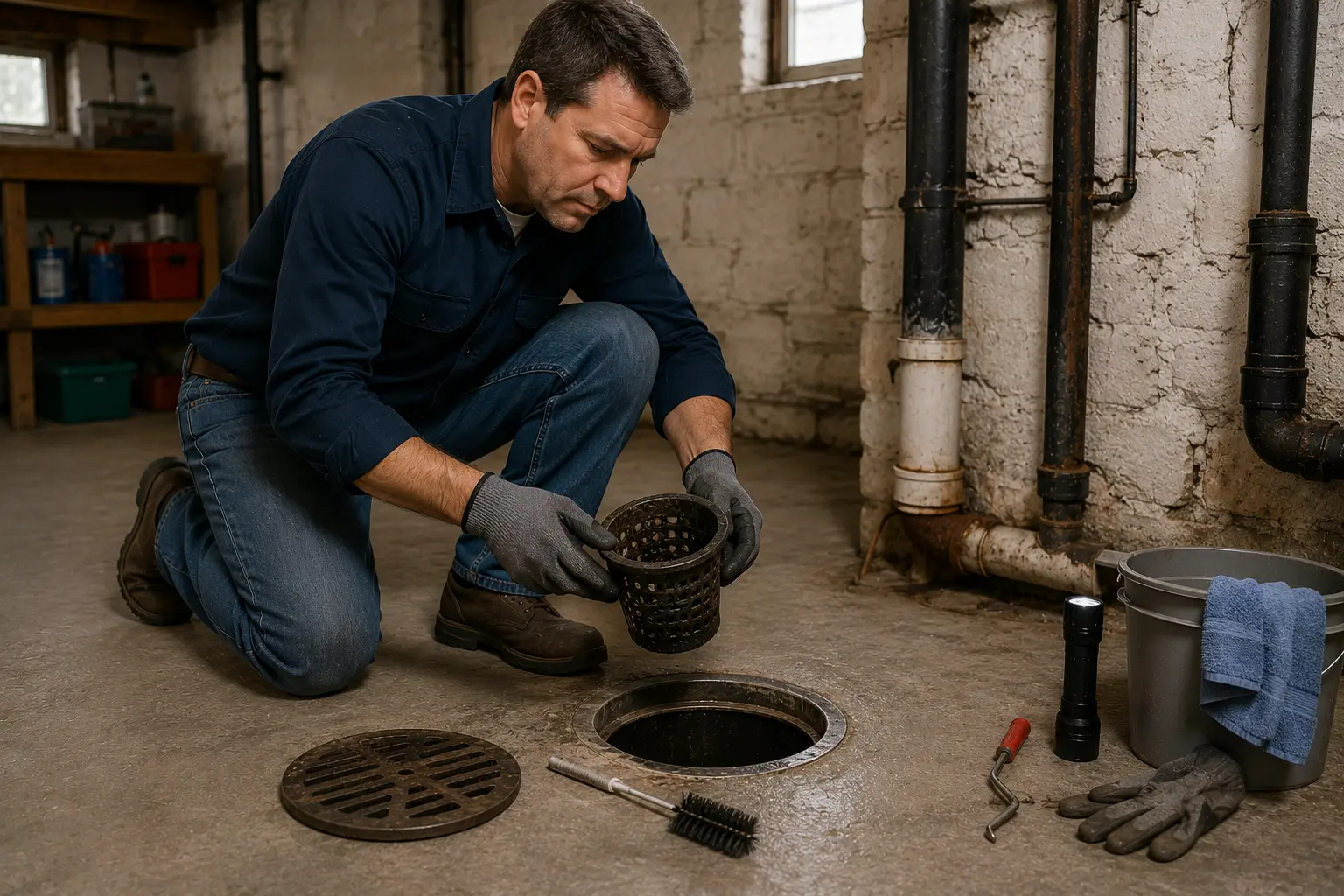
Older homes often have more character than newer construction, but their plumbing and sewer systems may need closer attention. In Chicago, many older properties still rely on aging drain lines, older sewer materials, basement floor drains, mature tree exposure, and layouts that were built long before modern water use patterns.
Drain maintenance for older homes is about preventing small problems from becoming sewer backups, repeated clogs, pipe damage, or basement flooding. Homeowners should be careful about what goes down drains, monitor slow drainage, keep cleanouts accessible, schedule inspections when warning signs appear, and understand when routine cleaning is not enough.
The goal is not to over-service the plumbing system. The goal is to identify risk early, protect older pipes, and make informed maintenance decisions before a sewer issue becomes disruptive or expensive.
Key Takeaways
- Older homes often have aging drain and sewer materials that require more careful maintenance.
- Slow drains, recurring clogs, sewer odors, and basement drain issues should not be ignored.
- Drain habits matter because wipes, grease, hair, food waste, and paper products can build up over time.
- Tree roots are a major concern for older Chicago sewer lines, especially clay pipe systems.
- Camera inspections can help determine whether a problem is buildup, roots, pipe damage, or poor slope.
- Preventative maintenance is usually easier to plan for than emergency sewer backup cleanup or major repairs.
How Should Older Homes Be Maintained to Prevent Drain and Sewer Problems?
Older homes should be maintained by keeping grease, wipes, hair, and debris out of drains; watching for slow drainage or recurring clogs; keeping sewer cleanouts accessible; inspecting older sewer lines when symptoms appear; and scheduling cleaning only when pipe condition or buildup makes it necessary.
Chicago homeowners should be especially proactive if the home has clay sewer pipe, mature trees, basement floor drains, or a history of sewer backups.
Why Older Homes Need More Drain Maintenance
Older plumbing systems can still function well, but they often have less margin for neglect. Materials age, joints shift, interior surfaces become rough, and underground sewer lines may be affected by soil movement, roots, or previous repairs.
Older homes may have:
- Clay sewer pipe
- Cast iron drain piping
- Galvanized drain sections
- Older venting layouts
- Basement floor drains
- Past repair sections with mixed materials
- Tree roots near underground lines
- Cleanouts that are hidden, buried, or outdated
These conditions do not automatically mean the sewer line is failing. They do mean homeowners should pay attention to early warning signs and avoid drain habits that accelerate buildup.
For a broader maintenance overview, see Sewer Line Maintenance for Homeowners.
Start With Better Drain Habits
Many drain problems begin with what homeowners put into the plumbing system every day. Older drain lines may be more likely to catch debris because of rough pipe interiors, older joints, or partial restrictions.
Do Not Treat Toilets Like Trash Cans
Toilets should only be used for human waste and toilet paper. Items that do not break down quickly can move past the toilet but still cause problems deeper in the drain or sewer line.
Avoid flushing:
- Flushable wipes
- Paper towels
- Feminine hygiene products
- Cotton swabs
- Dental floss
- Baby wipes
- Cleaning wipes
- Small trash items
For a more complete household checklist, read What Not to Flush: Protecting Your Sewer Line.
Keep Grease Out of Kitchen Drains
Grease may go down the sink as a liquid, especially with hot water, but it can cool and harden inside the drain line. Over time, grease can trap food particles, soap residue, and debris.
In an older drain system, grease buildup can become a recurring problem. Let grease cool, place it in a container, and dispose of it in the trash.
Use Drain Screens
Drain screens are simple, inexpensive tools that help prevent hair, food scraps, and debris from entering pipes. They are especially useful in showers, tubs, bathroom sinks, and kitchen sinks.
Watch for Slow Drains and Recurring Clogs
A single slow sink may be a local clog. Multiple slow drains throughout the house may point to a larger drain or sewer issue.
Homeowners should pay attention to patterns such as:
- Several fixtures draining slowly at once
- Toilets gurgling when laundry drains
- Water backing up into tubs or showers
- Basement floor drains smelling like sewage
- Clogs returning soon after being cleared
- Kitchen drains slowing repeatedly
- Floor drains bubbling during heavy water use
Recurring symptoms are especially important in older homes because they may indicate roots, grease, sludge, pipe damage, or a partial main line blockage.
Homeowners concerned about backup risk should also review How to Prevent Sewer Line Backups.
Keep the Sewer Cleanout Accessible
A sewer cleanout provides access to the main sewer line for inspection, cleaning, and maintenance. In older homes, cleanouts may be hidden in basements, tucked behind storage, buried in yards, or missing from obvious locations.
Cleanout access matters because it can make sewer diagnosis easier and less disruptive.
Homeowners should:
- Find and document cleanout locations
- Keep cleanouts visible and reachable
- Avoid covering cleanouts with flooring, landscaping, concrete, or storage
- Make sure caps are secure and not cracked
- Watch for wastewater, odor, or moisture near cleanout areas
For more detail, see Sewer Cleanout Maintenance: What Homeowners Should Know.
Homeowner tip: If you do not know where the sewer cleanout is, locate it before a sewer emergency. Finding it during a backup is much harder.
Use Sewer Inspections Strategically
Older homes often benefit from sewer camera inspections when symptoms appear or before major decisions are made. A camera inspection can show conditions that are impossible to confirm from inside the home.
An inspection may identify:
- Tree root intrusion
- Cracks or fractures
- Offset joints
- Pipe bellies
- Grease buildup
- Sludge accumulation
- Broken or collapsed sections
- Improper slope or standing water
Inspection is especially useful before deciding whether the sewer line needs cleaning, hydro jetting, repair, or replacement. Without diagnosis, homeowners may repeatedly clear clogs without understanding why they return.
Understand Tree Root Risk
Tree roots are one of the most common sewer concerns for older Chicago homes. Roots seek moisture and can enter through cracks, loose joints, or separations in older sewer pipe.
Once roots enter the pipe, they can collect paper, wipes, grease, and debris. Over time, this can create a partial or complete blockage.
Root risk is higher when:
- The home has mature trees nearby
- The sewer line is clay or older material
- Previous inspections found roots
- Clogs return after cleaning
- Basement drains back up or smell
- The sewer line has known cracks or offsets
For prevention strategies, see Tree Root Prevention for Sewer Lines.
When Drain Cleaning Makes Sense
Drain or sewer cleaning can be useful when buildup, sludge, roots, grease, or debris is restricting flow. But cleaning should match the problem.
Cleaning may help when:
- There is documented buildup in the line
- Roots are beginning to restrict flow
- Grease or sludge is accumulating
- Several drains are affected
- A previous inspection supports cleaning
- The home has a history of recurring main line clogs
Cleaning may not be enough when:
- The pipe is collapsed
- The sewer line has major offsets
- There is a significant pipe belly
- Roots return quickly after every cleaning
- The same section repeatedly blocks
- The pipe is severely cracked or deteriorated
For timing guidance, see How Often Should a Sewer Line Be Cleaned?.
Be Careful With Chemical Drain Cleaners
Chemical drain cleaners may seem convenient, but they are not a good long-term strategy for older plumbing systems. They may not solve the underlying problem and can create risk when used repeatedly or improperly.
In older homes, recurring clogs should be diagnosed rather than repeatedly treated with chemicals.
Safer maintenance habits include:
- Using drain screens
- Removing visible hair and debris manually when safe
- Keeping grease out of drains
- Using a plunger for simple toilet clogs
- Scheduling inspection for recurring problems
- Avoiding repeated chemical treatments
Important: A recurring clog is a symptom. If it keeps coming back, the issue may be buildup, roots, venting, pipe damage, or a main sewer restriction.
Hydro Jetting and Older Homes
Hydro jetting can be useful for some older homes, but it should be chosen carefully. It uses pressurized water to clean pipe walls and may remove grease, sludge, debris, and some root growth.
However, older or damaged sewer lines should often be inspected before hydro jetting. If a pipe is fragile, collapsed, severely cracked, or badly offset, aggressive cleaning may not be appropriate.
Hydro jetting may be worth considering when:
- Camera inspection shows grease or sludge buildup
- Snaking clears the line but problems return
- The pipe is structurally suitable
- The cleanout provides proper access
- The issue is buildup rather than severe pipe failure
For a deeper explanation, see Hydro Jetting for Preventative Sewer Maintenance.
Chicago-Specific Drain Maintenance Considerations
Older Housing Stock
Many Chicago homes were built long before modern plumbing materials became common. Older drain and sewer systems may contain original sections, repair patches, or mixed materials that require careful diagnosis.
Basement Plumbing
Basement floor drains, laundry sinks, basement bathrooms, and utility drains are common in Chicago homes. Because they are low in the plumbing system, they may show sewer backup symptoms first.
Homeowners with basement concerns should review How to Prevent Basement Sewer Backups.
Mature Trees
Large trees along streets, alleys, and property lines can affect underground sewer lines. Root intrusion is especially important when older clay pipe is present.
Heavy Rain and Seasonal Stress
Older drains may reveal problems during heavy rain, snowmelt, or periods of high water use. Maintaining the private sewer line will not prevent every municipal sewer issue, but it can reduce avoidable restrictions.
Additional homeowner resources are available in the Prevention & Maintenance hub.
Cost Factors for Drain Maintenance in Older Homes
Drain maintenance costs depend on the issue, the pipe condition, access, and whether the work is preventative or emergency-related.
| Maintenance Need | What Affects Cost | Homeowner Decision Point |
|---|---|---|
| Simple fixture clog | Location, accessibility, severity | Is it isolated or part of a larger pattern? |
| Main sewer cleaning | Cleanout access, blockage severity, roots or grease | Has the line been inspected? |
| Camera inspection | Access, pipe length, reporting detail | Is diagnosis needed before more cleaning? |
| Hydro jetting | Pipe condition, buildup severity, access | Is the older pipe suitable? |
| Pipe repair | Depth, location, material, damage extent | Is repeated cleaning becoming a temporary fix? |
For homeowners comparing ongoing upkeep with larger repair risks, see Sewer Line Maintenance Plan Cost.
Common Drain Maintenance Mistakes in Older Homes
- Assuming slow drains are normal because the home is old
- Using chemical cleaners repeatedly
- Flushing wipes labeled as flushable
- Pouring grease down kitchen drains
- Ignoring basement drain odors
- Letting cleanouts become buried or blocked
- Cleaning the sewer line repeatedly without inspection
- Planting large trees near sewer routes without checking line location
- Waiting for a backup before considering maintenance
Warning Signs Older Drain Lines Need Attention
Older homes often give warning signs before a major sewer problem occurs.
- Multiple drains slow at the same time
- Basement floor drains gurgle
- Sewer odors come from lower-level drains
- Toilets bubble when tubs or laundry drain
- Kitchen clogs return repeatedly
- Water backs up into tubs or showers
- The sewer cleanout shows standing water
- Outdoor wet spots or odors appear near the sewer route
These signs should be taken seriously, especially if they happen more than once.
Practical Drain Maintenance Checklist for Older Homes
- Use drain screens in sinks, showers, and tubs
- Keep grease, wipes, and food scraps out of drains
- Locate the sewer cleanout and keep it accessible
- Watch for slow drains affecting multiple fixtures
- Document recurring clogs and when they happen
- Schedule a camera inspection for repeated main line symptoms
- Monitor trees near the sewer line route
- Consider preventative cleaning when inspection supports it
- Review basement backup risk before finishing a basement
- Ask whether cleaning is solving the cause or only clearing symptoms
Frequently Asked Questions
Are slow drains normal in older homes?
No. Older homes may have older pipes, but slow drains should not be dismissed as normal. Recurring or multi-fixture slow drainage may indicate buildup, roots, venting issues, or main sewer line restrictions.
How often should older sewer lines be cleaned?
There is no universal schedule. Cleaning frequency should depend on pipe condition, inspection findings, tree root exposure, and backup history.
Should I use chemical drain cleaner in an older home?
Repeated chemical drain cleaner use is not a good maintenance strategy. If clogs keep returning, the cause should be diagnosed rather than temporarily treated again and again.
Do older Chicago homes have more sewer problems?
Many older Chicago homes have aging sewer materials, mature tree exposure, basement drains, and older plumbing layouts. These factors can increase sewer risk if maintenance is neglected.
Can drain maintenance prevent basement backups?
Drain maintenance can reduce avoidable backup risks caused by clogs, roots, grease, and debris. It may not prevent every municipal surcharge or severe pipe failure, but it is an important part of prevention.
Does insurance cover drain or sewer maintenance?
Routine maintenance is generally a homeowner expense. Damage from sewer backup may depend on the policy and whether a sewer or water backup endorsement is included.
When should an older home get a sewer camera inspection?
A camera inspection is worth considering when clogs recur, multiple drains are slow, basement drains smell or gurgle, roots are suspected, or the homeowner is planning major basement improvements.
Conclusion
Drain maintenance for older homes is about being proactive without overreacting. Older plumbing and sewer systems can continue working well, but they require careful habits, early attention to warning signs, and thoughtful maintenance decisions.
For Chicago homeowners, the biggest priorities are keeping problem materials out of drains, watching for recurring symptoms, maintaining cleanout access, managing tree root risk, and using inspections to guide cleaning or repair decisions.
When older drain systems are maintained with care, homeowners can reduce avoidable backups, plan more confidently, and avoid treating every recurring clog as an isolated problem.